My Road Well Travelled


Old Anglican church in Karsdale.

Old Anglican church in Karsdale.

Victoria Beach where I live in Nova Scotia is 25 km. away from the nearest town of Annapolis Royal.  Averaging three or four trips a week over the eight years I have lived here (not counting the months I am away travelling) translates into roughly 1,500 trips on the same road.  There is only one way those of us who live in Victoria Beach can get to Annapolis Royal and that is via Granville Road, the road which connects us. You might think that making this jaunt would be getting a bit boring by now, but strangely it hasn’t for the following reasons.
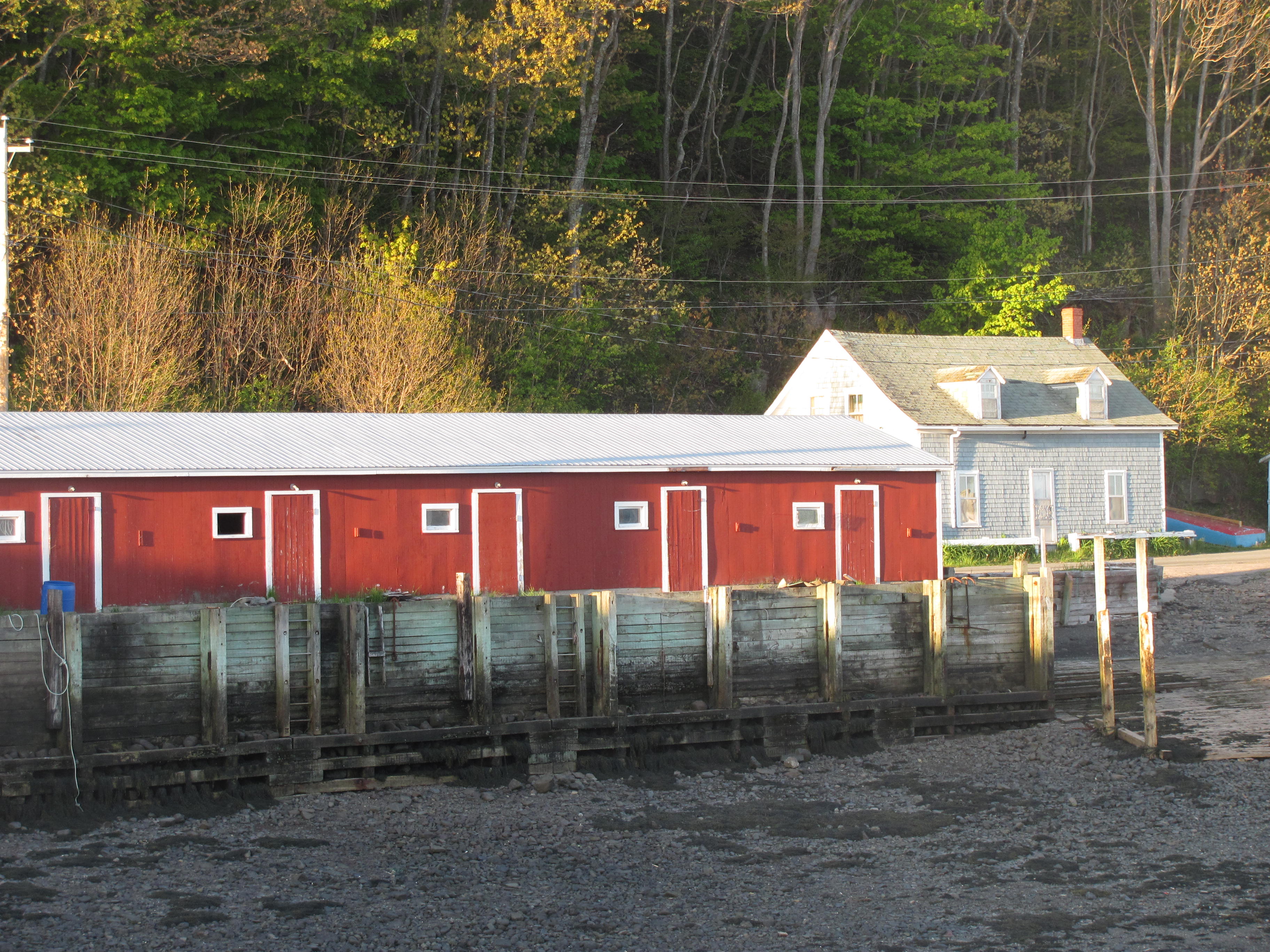
Fish sheds at the wharf in Victoria Beach.

Fish sheds at the wharf in Victoria Beach.

Since coming here, I have heard many people refer to my road as being “magical”. I have to agree that the scenery is ‘out of this world’ beautiful no matter the time of day, month, or year. My greatest thrill is driving my road just as the sun is rising to herald in a new day, something I get to do in the summer as I drive to the Saturday market. Fog and rain, of which we usually get plenty of, might spoil this trip, but as far as I am concerned there is always a silver lining to everything so even in bad weather there is a certain kind of beauty to how the fog seems to hover over the mountains or roll in lazily over the water. Unfortunately, I haven’t succeeded in finding anything positive about driving through a raging snow storm in winter which is one of the reasons I escape to Thailand.
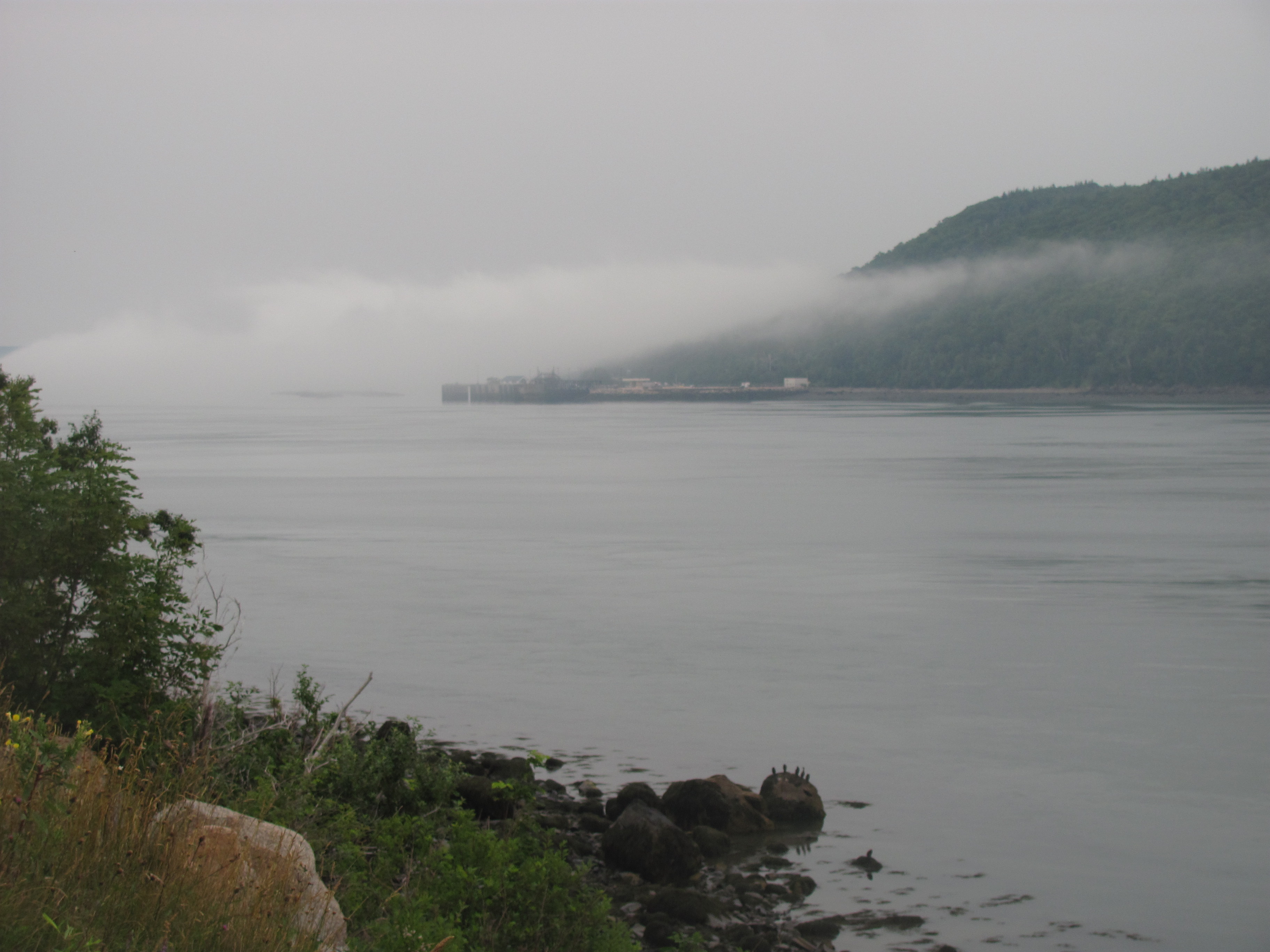
Fog creeping in over the water at Digby Gut in Victoria Beach.

Fog creeping in over the water at Digby Gut in Victoria Beach.

From the time I leave home until I reach my destination in Annapolis Royal, Granville Road will have taken me through six communities. Victoria Beach is the last village at the end of my road followed by Port Wade, then Karsdale, Port Royal, Granville Beach, and  Granville Ferry. There is something unique about the history and environment of each one of them, but all share the water of the Annapolis Basin leading into the Bay of Fundy on the one side and the North mountain on the other.

What makes this road so special is that it fulfills me on all levels – the physical, mental and the spiritual. On a physical level, I am conscious of the combination of mountain and water all around me as very seldom does my road take me away from either. If it does, I am still shrouded by the different hues of colour from the trees and other foilage along the road. Moreover, I adore the various types of architecture exhibited by many of the older homes. A few of them date back to the early 1730’s but most were built by fairly wealthy sea captains who resided here during Nova Scotia’s ‘Age of Sail’ in the mid 1800’s. The houses which were lucky enough to fall into caring hands have been tastefully renovated, but sadly others have been deserted and are now falling into disrepair. One of the road’s oldest houses is a Connecticut Salt Box, built circa 1730. It’s located in Granville Beach and was restored to its original state in the 1960’s by a Mr. Robert Patterson, an avid antique dealer from Toronto. It opens in the summer as a museum displaying his many  Georgian treasures including a beautiful collection of  Chippendale furniture.
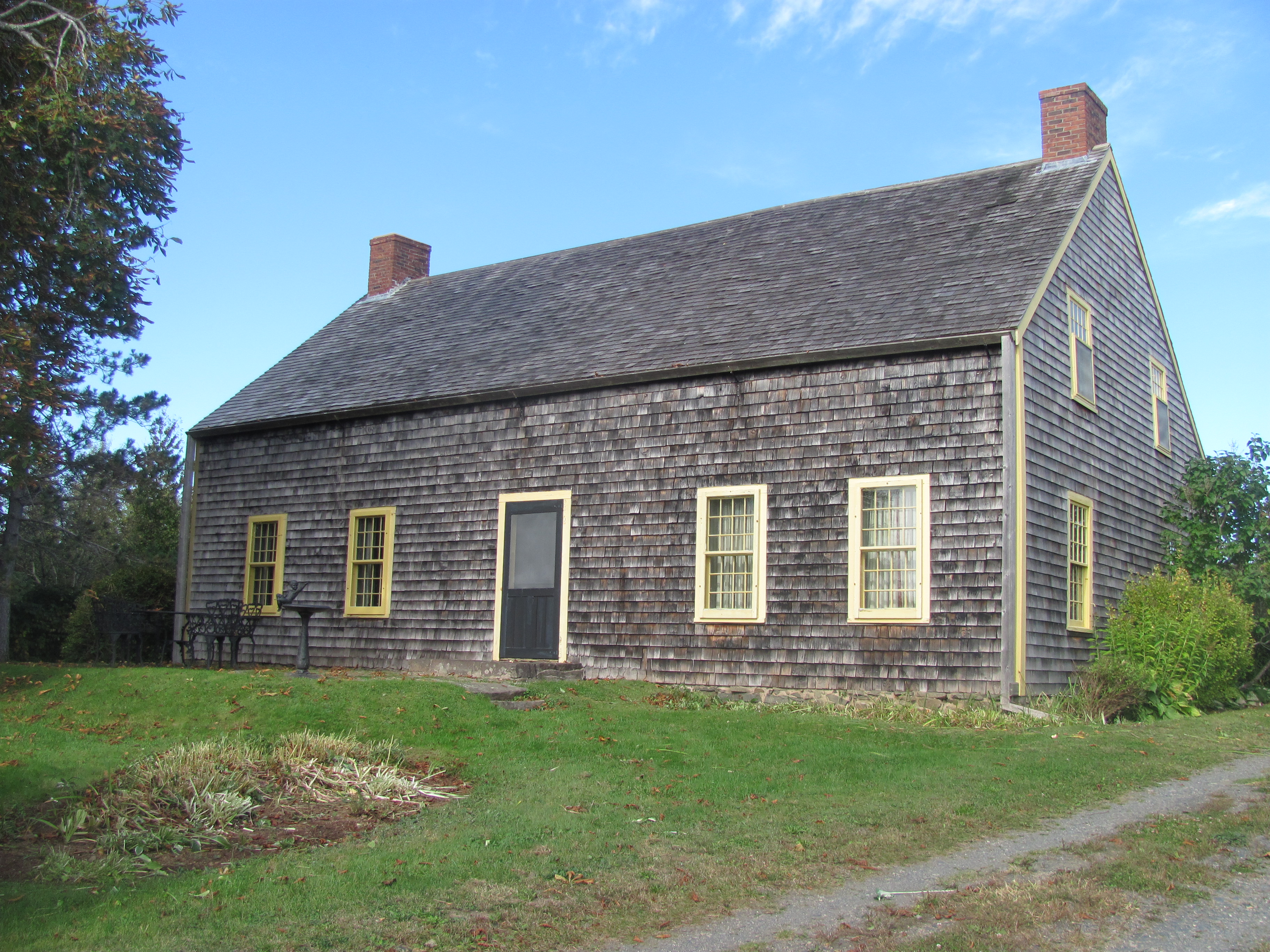
Nova Scotian saltbox home circa 1730, now the North Hills Museum in Granville Ferry.

Nova Scotian saltbox home circa 1730, now the North Hills Museum in Granville Ferry.

On a more intellectual level, this road offers me a past rich in history dating back to the very earliest settlers who came to this land in the early 1600’s. The area known as Port Royal, which extended from what is today the town of Annapolis Royal to the present day community of Port Royal just 10 km. away, was  first sited by Samuel de Champlain in 1604. The following year he and Sieur de Mons built a settlement called the Habitation as a centre for the Acadians, making it the oldest settlement in North America beating out Jamestown, Virginia by two years and Quebec by three. These two French explorers along with the help of the gifted poet, Marc Lescarbot, who wrote and produced ” The Theatre of Neptune” the first drama ever written and produced in North America, were the reason for the settlement’s success. Thus, was born the Order of Good Cheer, a social club which not only kept the spirits of the men who accompanied them alive but still exists today. A nearly exact replica of the original is located here and is one of the road’s main tourist attractions.
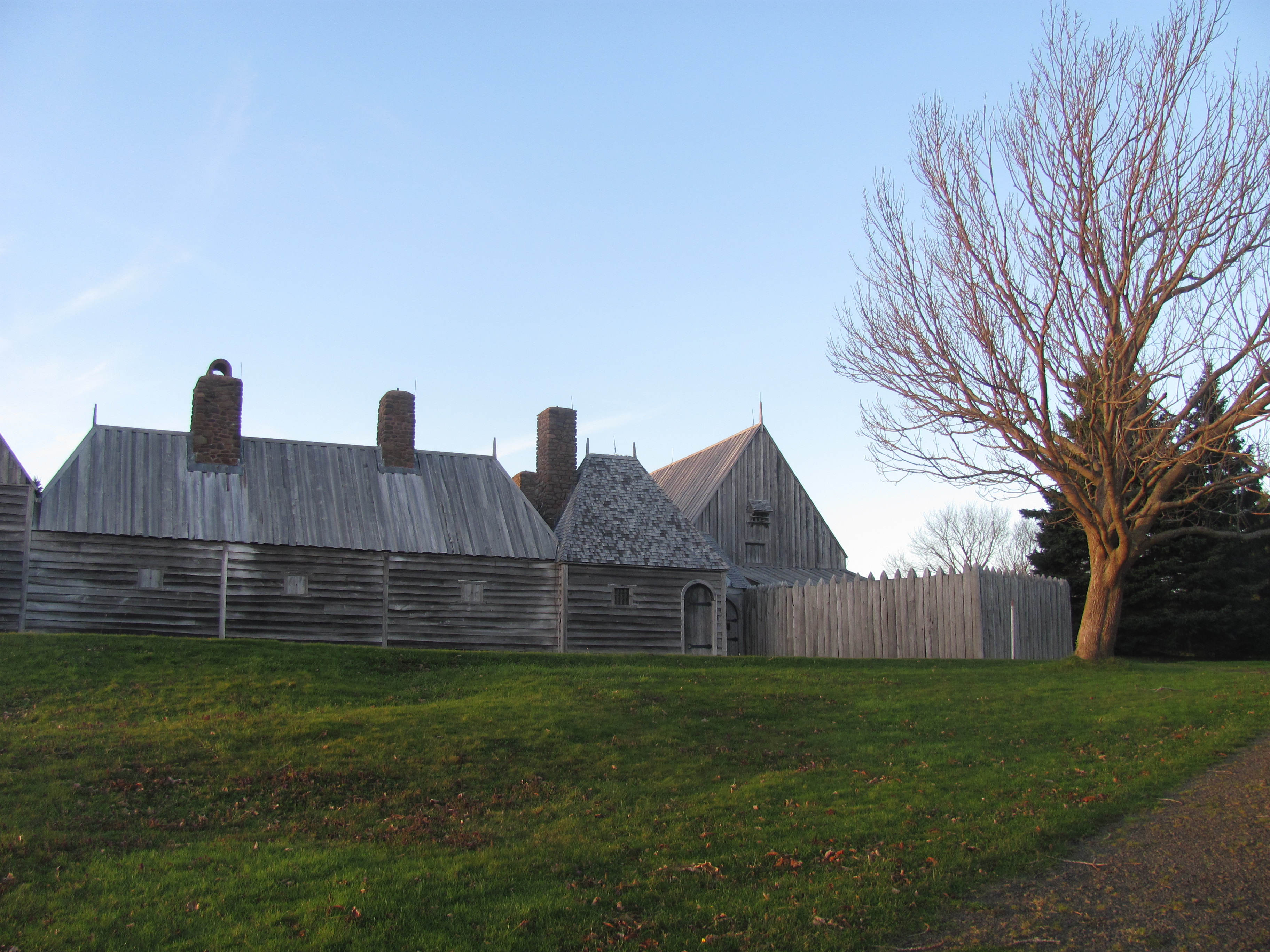
A replica of the Habitation in Port Royal.
A replica of the Habitation in Port Royal.

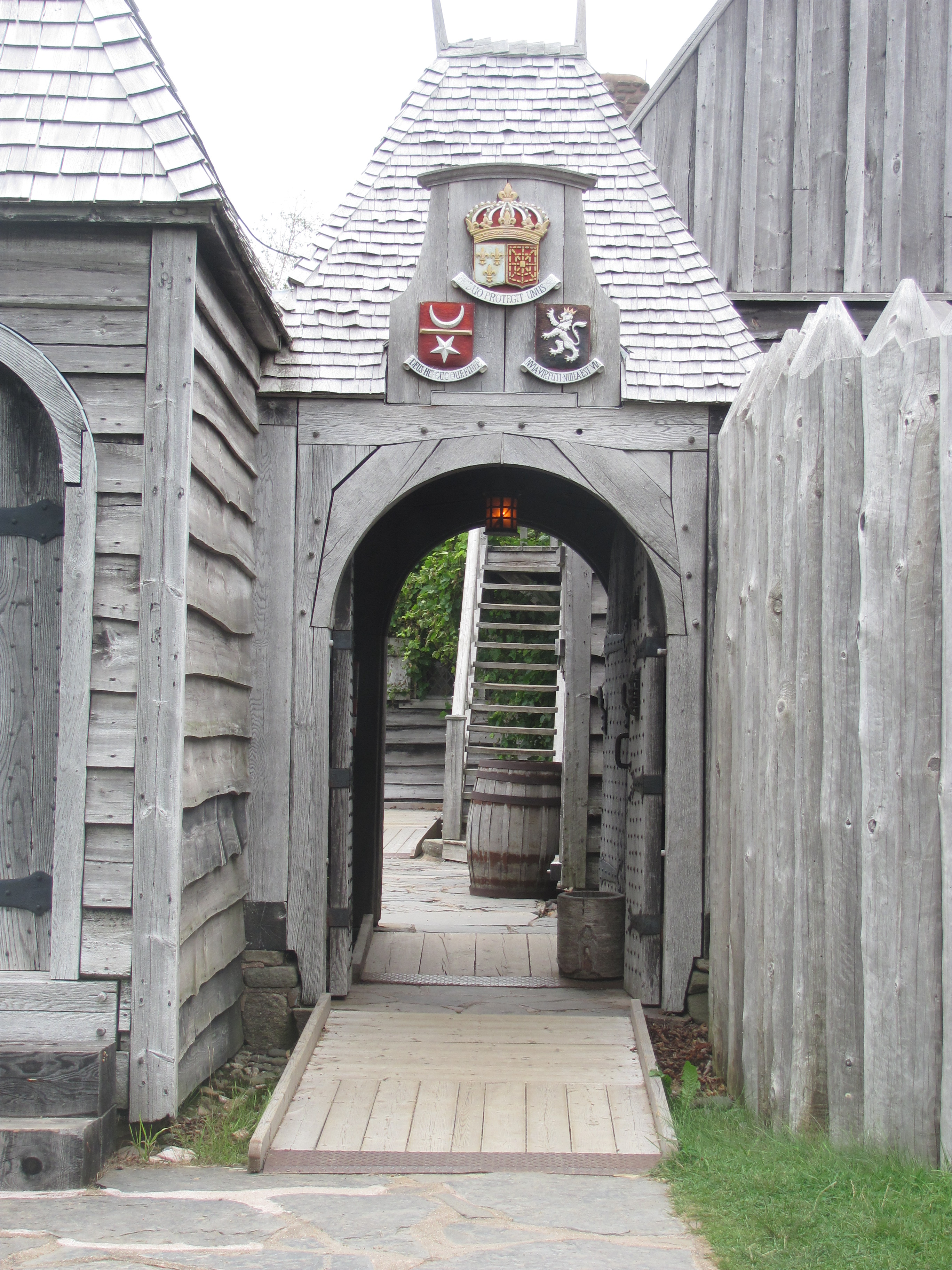
Entrance to the Habitation.
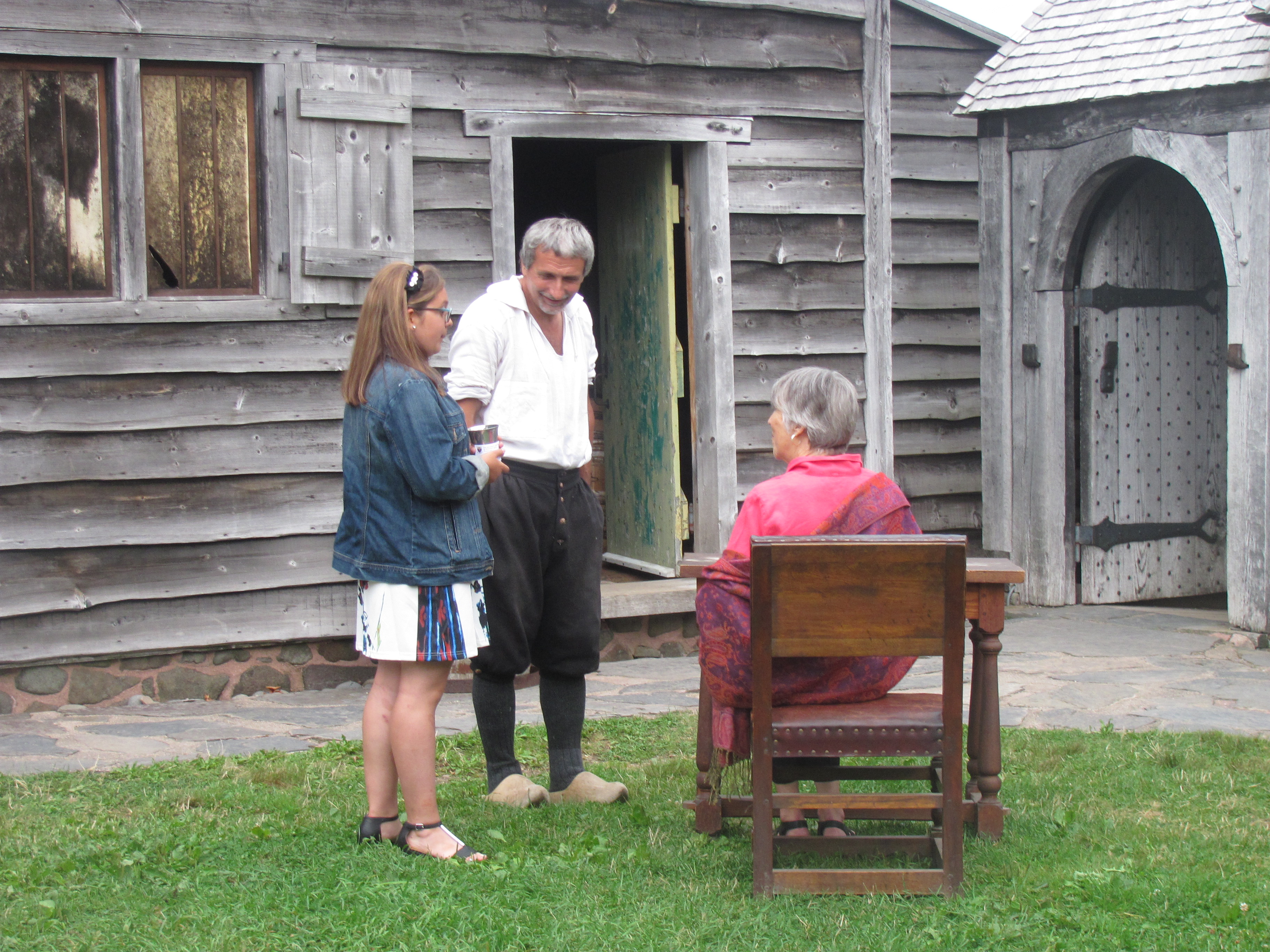
Entrance to the Habitation.

Inside the Habitation with  Mr. Melanson, an Acadian guide, dressed in period costume.

Inside the Habitation with Mr. Melanson, an Acadian guide, dressed in period costume.

Second to Port Royal in historical significance would be Port Wade which was at one time a thriving port where some of the province’s most venerable sailing ships were built. For a short while it was noted for exporting iron ore to other parts of the world. Today it is home to one of the province’s many fish farms.
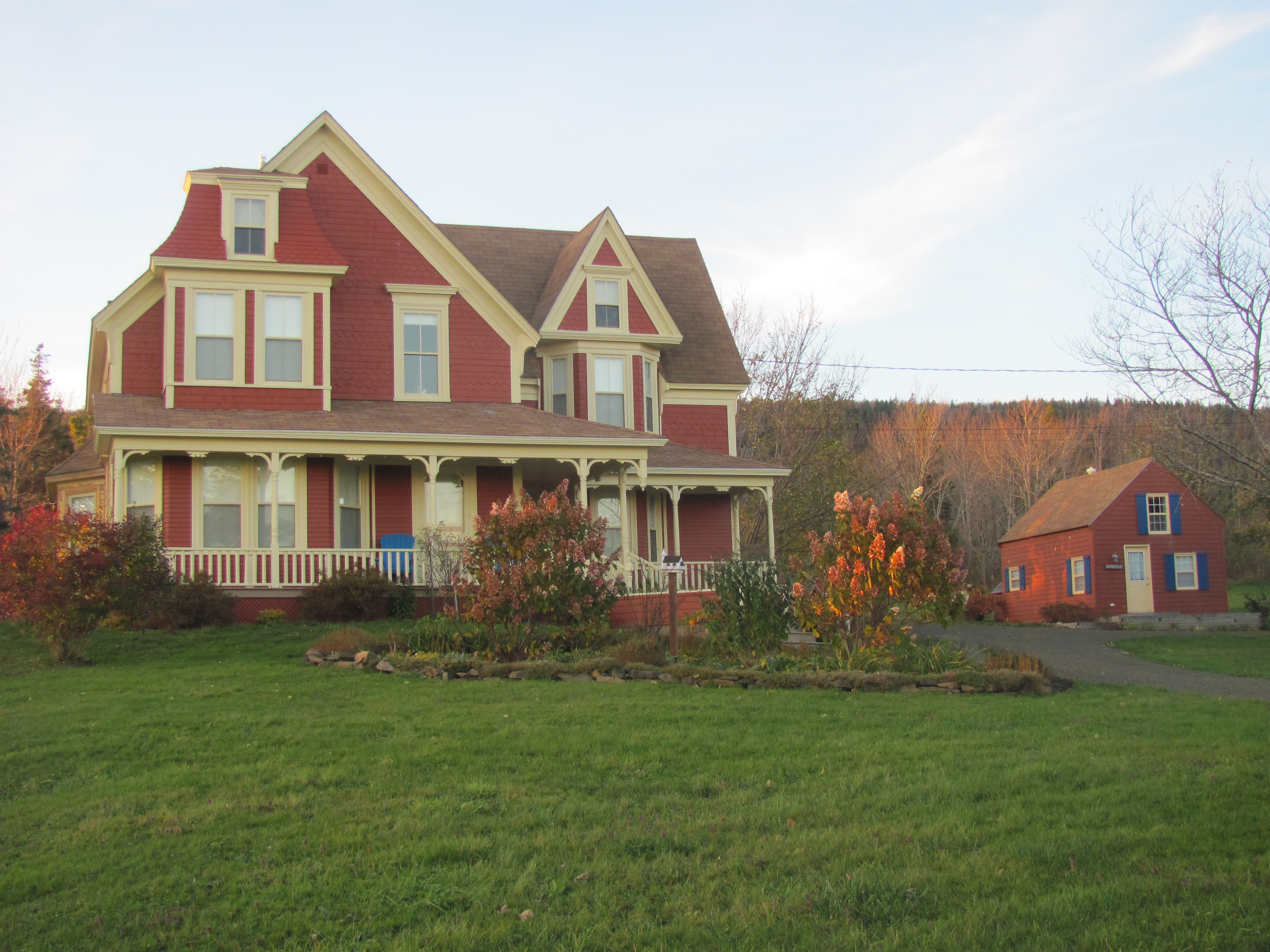
Home built by Captain Snow, a well known ship building in Port Wade.

Home built by Captain Snow, a well known ship builder, in Port Wade.

The little community of Karsdale, next door to Port Wade, has its fair share of lovely old homes which have attracted many people from other parts of the country and continent who enjoy renovating as a retirement project. You can usually find a few of them up for sale or perhaps a few ‘fixer uppers’ if you are so inclined to try your hand at renovating. Karsdale can boast of a beautiful old Anglican church and graveyard going back to the mid 1800’s. This community was named after William Kars, a war hero in the Crimean War, who made his home in Annapolis Royal.
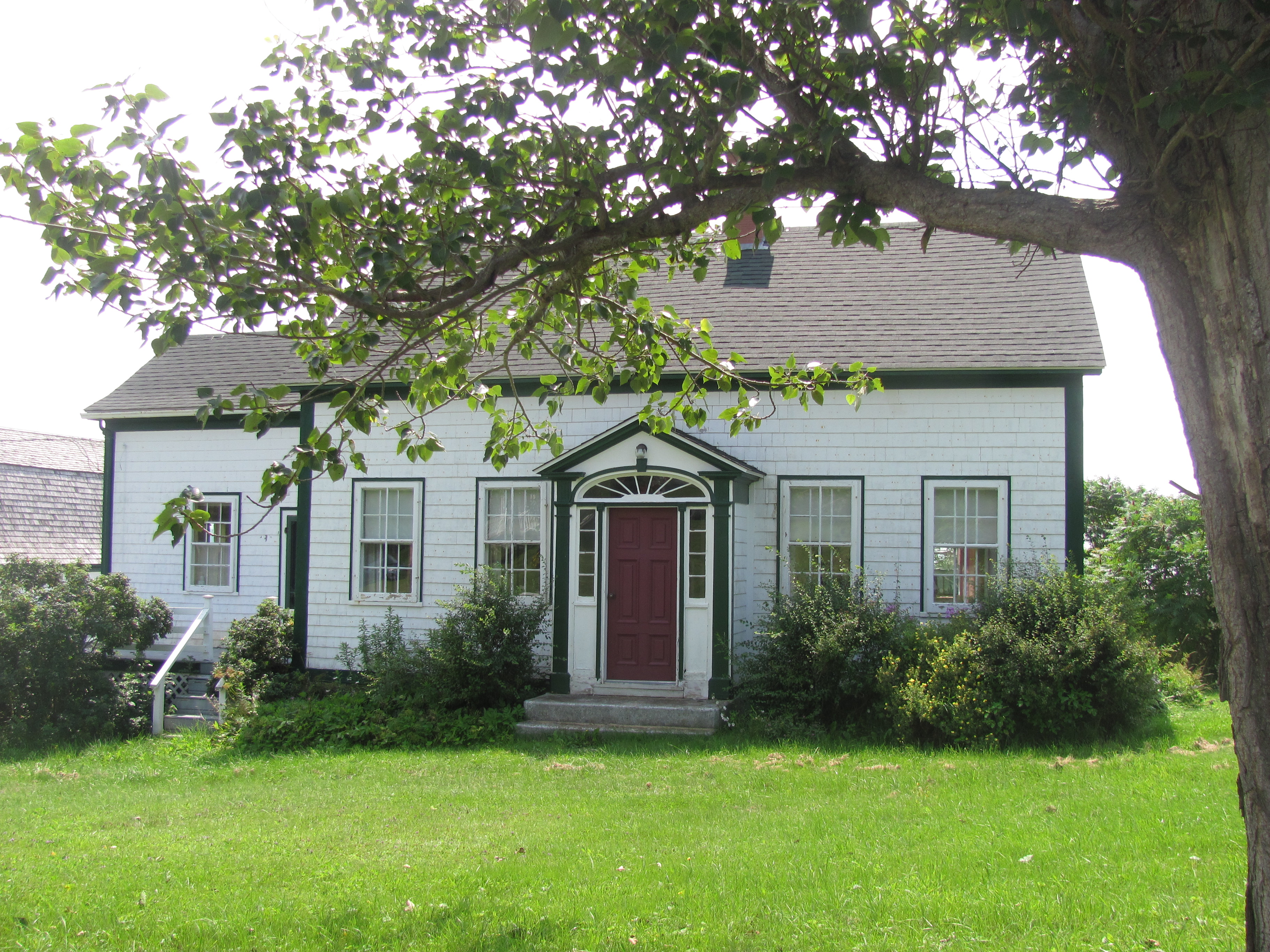
Another old house dating back to 1700's. This one is for sale.

Another old house dating back to 1700’s. This one is for sale.
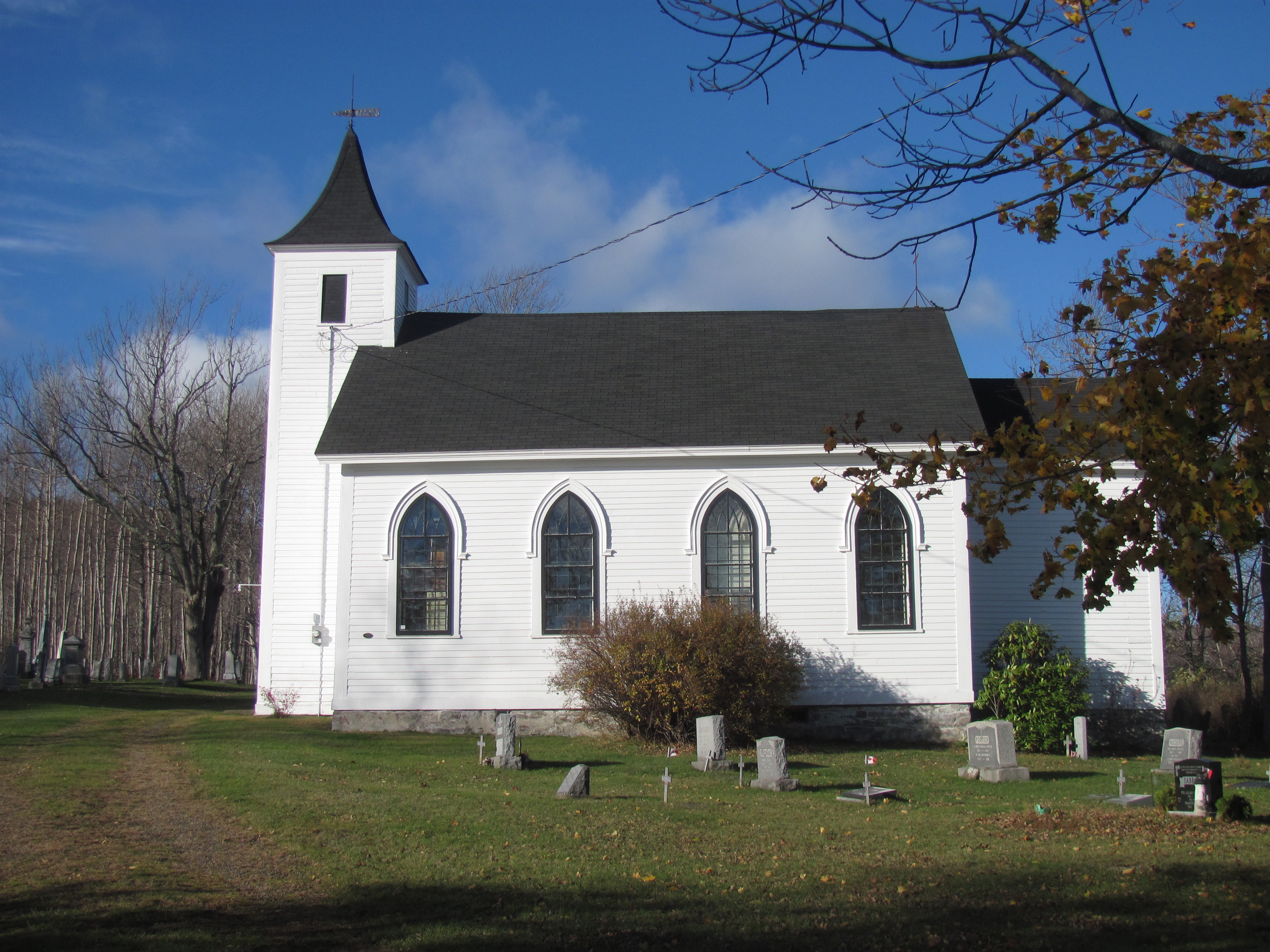
Christ Church in Karsdale.

Christ Church in Karsdale.

As my road wends its way through Granville Beach, a dairy farm and a peach farm are in evidence. If I happen to be traveling my road around 5 p.m. a herd of cows just might bring me to a complete stop as their owner herds them back to their barn. Lovely baskets of peaches and nectarines are always available in the late summer at a nearby road stand. Those who are still farming here today have the early Acadians to thank for the fertility of the land. The dykes they built not only keep back the high tides but also the salt from the waters of the Annapolis Basin. These dykes are still in evidence today.

Acadian dyke land on the Annapolis Basin - Granville Beach.

Acadian dyke land on the Annapolis Basin – Granville Beach.
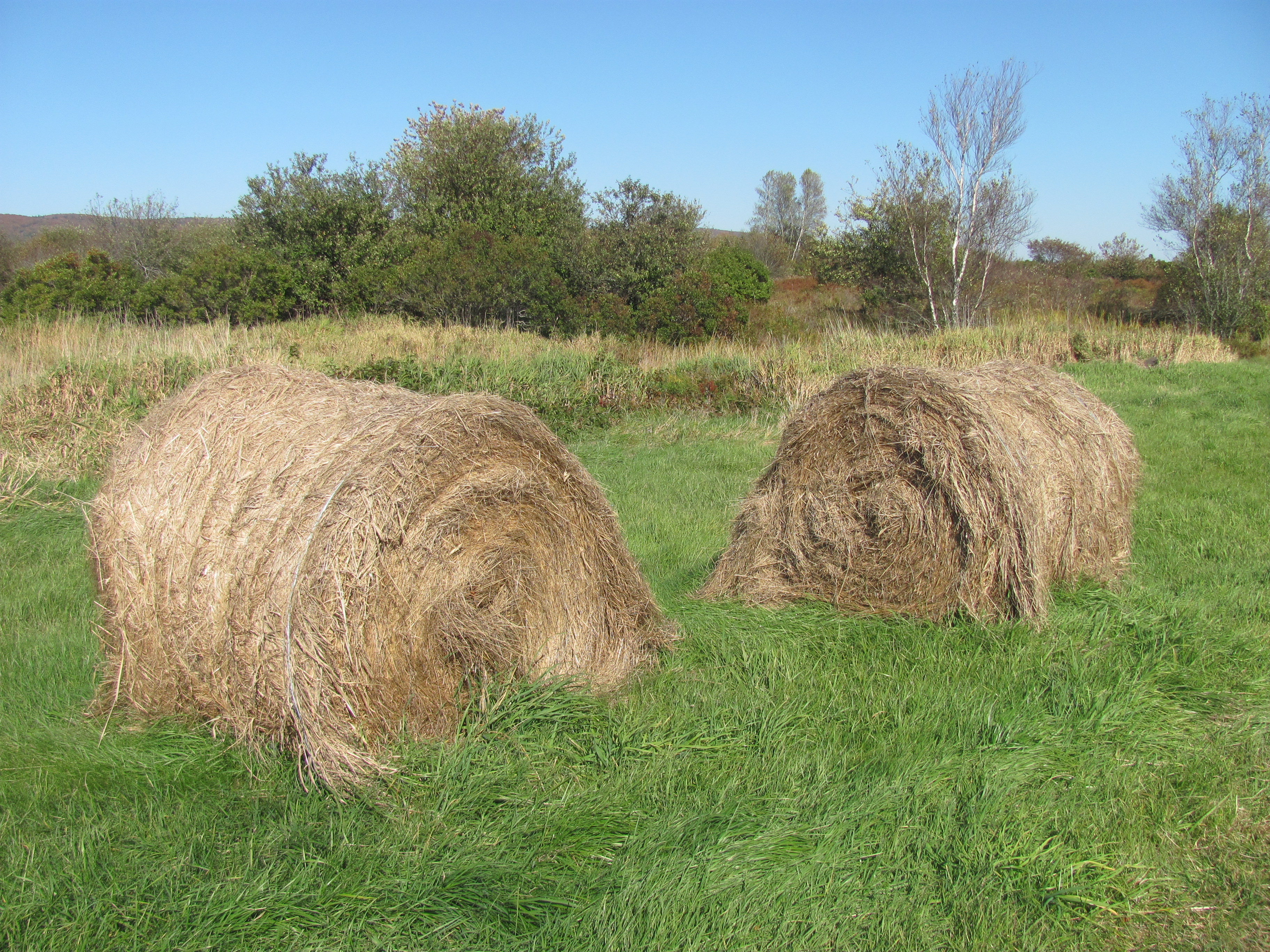
Lots of hay farming on the dyke land,

Lots of hay farming on the dyke land,

Granville Ferry, the last port of call on my road and right at the causeway which leads into Annapolis Royal, is a fair sized village with a lovely mix of stately homes and old block houses built very close to the road. “The Ferry”, as it is commonly referred to by its residents, was the undisputed centre of the ship building trade that flourished during the great ‘Age of Sail’ in Nova Scotia.
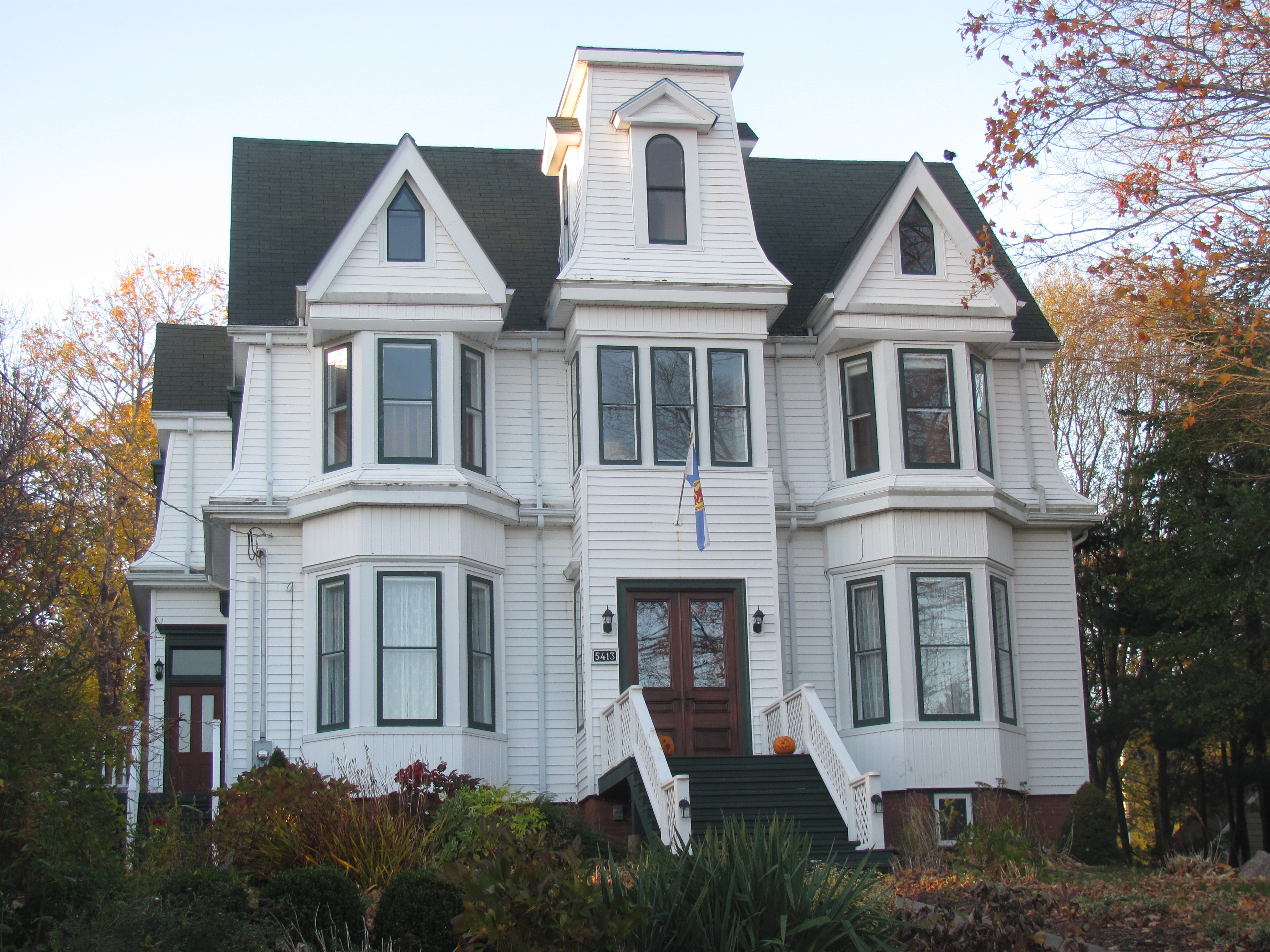
One of many stately homes in Granville Ferry.

One of many stately homes in Granville Ferry.

More Granville Ferry homes near the road.

More Granville Ferry homes near the road.

My road travels well beyond the physical and mental levels to that of the spiritual or more esoteric as some like to call it. Of course, there are churches (mostly Baptist) in all the communities which provided a form of spirituality for the majority of the people living here at one time. Today some of these churches are closed, and those that aren’t are facing a dwindling congregation and just barely hanging on. However, another kind of spiritual teaching reached the area in the 1970’s when a branch of Buddhism known as Shambala found a special energy radiating a feeling of peace all along the road which they claim aptly reflects the teachings of the Buddha. Perhaps this is why some refer to it as a “magical” road. Is it any wonder that my road has become a special friend who never fails to inspire me each time I drive on it?
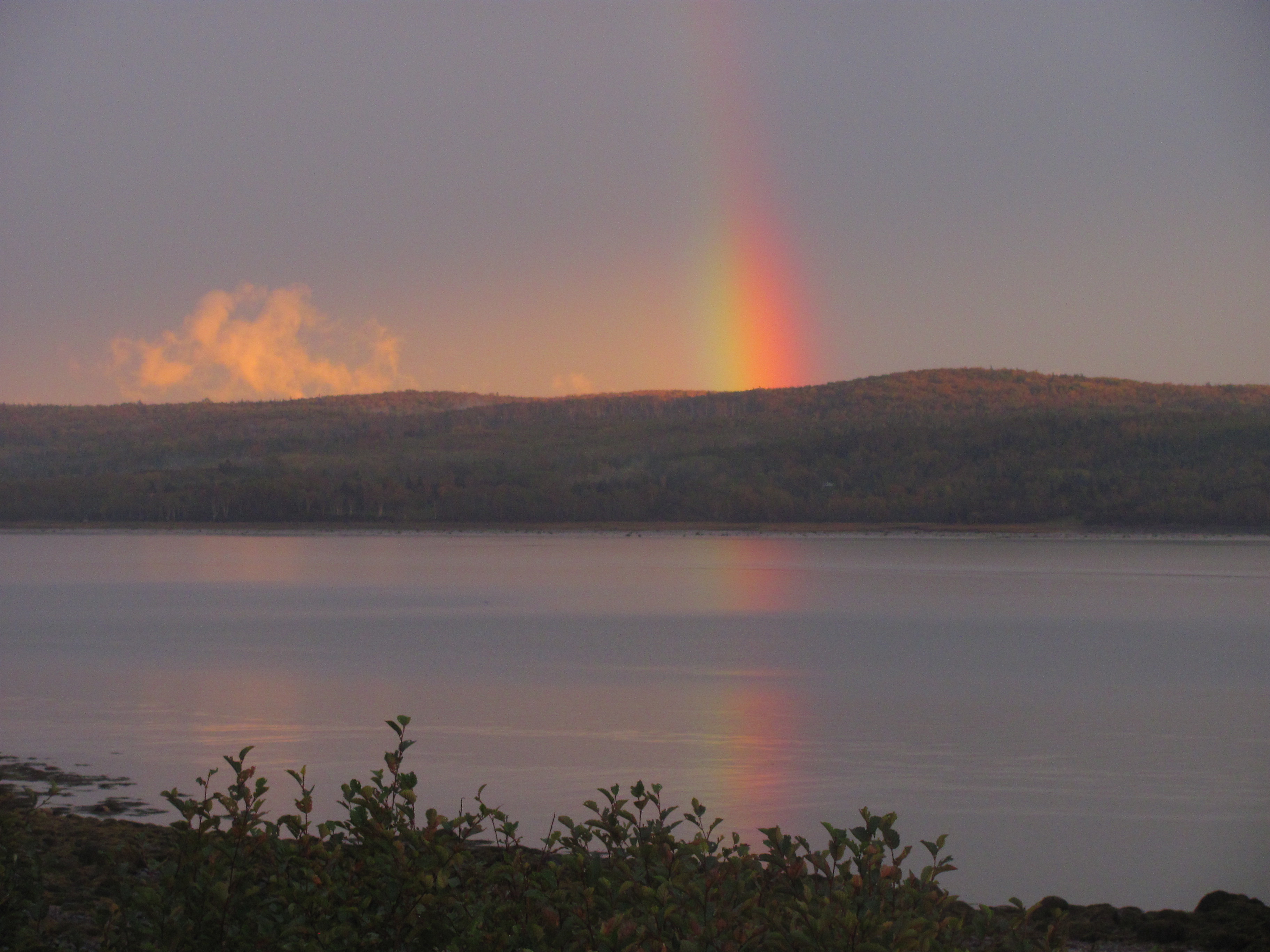
Taken from 'my road' one evening while traveling to  Annapolis Royal.

Taken from ‘my road’ one evening while traveling to Annapolis Royal.

A Tiny Perfect Town

Annapolis Royal is often called by both residents and visitors ” a tiny perfect town” and for good reason:

  • First there is its natural setting at the tip of the Annapolis Basin with two rivers, the Alain to the east of the town and the Annapolis River to the west, all of which is framed by the gentle rolling North and South mountains.
  • Then there is the careful preservation of its varied past reflected today in Fort Anne, Canada’s oldest National Historic Site, the beautiful Historic Gardens, and the stately old  homes many of which have been converted into upscale B&B’s.
  • It has evolved into a thriving centre for culture and the arts luring painters, writers, crafts people, dancers, actors, and musicians from all parts of the globe who now make this tiny town their home.
  • It also it can boast of many other notable attractions such as, the weekly Farmer’s Trade Market featuring local organic foods and crafts, the Upper Clements Park just outside the town, Atlantic Canada’s largest amusement park, and North America’s only tidal power plant where the high tides of the Bay of Fundy are harnessed providing enough electricity for up to 4,500 homes.
  • And finally, it has at least three other museums: the O Dell, a remnant of the Victorian era displayed as an inn and tavern, Sinclair Inn, another National Historic Site dating back to 1710 making it one of Canada’s oldest wooden buildings from the Acadian era, and North Hills Museum one of Nova Scotia’s oldest salt-box houses from mid 1700’s.

Of course, the town has all the amenities of a small town which its residents need for everyday life. It has gourmet restaurants, cafes, galleries, and stores of all kinds selling widgets to vintage furniture and then some. You can get all of your essentials here. However, the biggest surprise for most people is the very efficient Health Centre with 24 hour emergency care and staffed with at least five very qualified doctors. It even has a palliative care unit. It has its own schools covering all grades, an outdoor swimming pool, a playground, walking trails, a golf course, and a library.

All of this has not gone unobserved by the outside world. Recognition began when it received from a United Nations competition an award for being “The World’s Most livable Small Community”. Last year The Historic Gardens was rated the number one attraction to see in Annapolis Royal by Trip Advisor and won a Certificate of Excellence award. And, this year the town was cited as one of the 10 Best Places to Visit in Canada by MacLean’s magazine. Not bad for such a small town!

Today Annapolis Royal has approximately 480 year- round residents which tends to double in the tourist season. It’s definitely the smallest town in Nova Scotia and most probably in all of Canada. Despite its size it has much to offer visitors when they come. Perhaps it’s the publicity it has garnered or simply ‘word of mouth’, but for whatever the reason, the number of visitors each year seems to be on the increase. The restitution of the ferry between Yarmouth and Portland, Maine has helped increase the American tourist trade. My husband, who works at the Visitor Information Centre, reports that he sees people from all parts of Canada and now many from Europe.

Our visitors are often mesmerized by the beauty and heritage of the town when they see it for the first time and express a wish to be able to live here. I have to admit that it wouldn’t be for everyone especially for those who would need to work. Other than a fairly active trade in tourism in the summer months, there isn’t much for those seeking paid work for the rest of the year. However, there is much potential for those with an entrepreneurial spirit. Land in the outlying areas of the town is inexpensive compared to other parts of the province and Canada and is slowly being bought up by enterprising young folk who want to try their hand at farming. For those who have portable skills in technology, this is the ideal place to escape from the big city and live a quieter life. With an elementary school and a new middle and high school, lots of recreational facilities, a Health Centre, and the natural environment, it is a great place to raise a family. Over the years it’s been attracting some very talented people in the Arts field resulting in many activities for people who have always dreamed of acting, singing, painting,crafting, gardening, writing, and just about every thing else to tempt a person’s creativity. There are at least three art galleries, three choirs, a drama group, and a community band.

Yes, the tiny perfect town of Annapolis Royal is not only a thriving cultural centre drawing artists and the like from all over the world, it is also steeped in a history that can lay claim to many of the firsts in our Canadian historical background. It represents a way of life that is rapidly disappearing in our part of the world causing the people who live here to passionately work at preserving it for future generations. Ask those who weren’t born here how they ended up making it their home, and you will hear a familiar refrain. They simply fell in love with it for all of the above reasons and were eager to take the plunge and try it out. Most of them have not regretted their decision to stay.

To enjoy a slideshow of Annapolis Royal simply click on the first image below.


More About Victoria Beach

In the summer of 2003, my husband and I found ourselves on a narrow, poorly paved road after dark shrouded in heavy fog, wondering whether we had made a wrong turn when we got off the ferry in Digby. Surely this could not be the road to Victoria Beach where we had booked one of the Casey cottages as our place to stay for the coming week? Having no other choice except to plow on through the ‘pea soup’ fog, we continued to climb the small hill. Suddenly there appeared on our left a large stately old house all lit up as though it was expecting visitors. We figured this had to be the place we were looking for.

As it turned out, we had reached our destination and so began our journey to discovery and eventual decision to make this remote place our future home which I wrote about in my last post “Finding Victoria Beach”.

To achieve a better understanding of a place, I find it helpful to get a sense of its history. Sometimes this can be difficult if the place is small and hasn’t done anything outstanding to warrant being mentioned in the history books. I’ve had to rely primarily on the good memories of some of those whose families have lived here for several generations. I also gleaned some facts from Will R. Bird’s  “Off Trail in Nova Scotia” and Joe Casey’s “Wit and Wisdom” and “The Life and Times of Joe Casey”. Evelyn Eaton, an American author who made her home here in Victoria Beach in the 1940’s, also wrote about this area in her autobiography “The Wind and the Trees Went the Other Way”.

The descendants of the families still living here told me that the village probably got started in the late 1700’s or early 1800’s. No one really knows just when or who the first family was that settled here, but I would hazard a guess that what lured them here was the deep, but very cold waters of  the Bay of Fundy which teemed with cod, herring, halibut, pollack, shad, lobster, and scallops. Fishing has never been easy here as the fisherman had to be smart and skillful to outmaneuver the tricky tides and eddies of the Annapolis Basin. It was a hard scrabble life for the people as their livelihood depended not only on the Fundy tides but also the rocky soil which made growing food a real challenge. However, they survived and are proud of it to this day.

Today, the few boats and fishermen who remain in the business, fish primarily for lobster and some haddock and scallops. While in season some clamming and dulsing are also carried out. Dulse, in case you haven’t heard of it, is a red seaweed high in mineral and protein content particularly iron and potassium. To the locals it’s a dietary necessity eaten and enjoyed like candy, but to those of us who have not acquired a taste for it, it’s better put into soups or casseroles rather than eaten straight from the bag because of its strong fish flavour.

Where is Victoria Beach you may ask and how did it come by its name? If you look at a fairly detailed map of southwestern Nova Scotia, you can locate it on a peninsula extending 25km. west of Annapolis Royal on the Bay of Fundy shore. It’s at the end of the oldest road in Canada dating back to the discovery of the region known as Port Royal by Samuel de Champlain. The drive along this road has to be one of the most scenic in the province for as you drive out to the Beach, you have the Annapolis Basin on your left and the North Mountain to the right. Victoria Beach is the last village at the very end of the road. Most of the houses cling to the base of the mountain and face the Digby Gut, the narrow entrance from the Bay of Fundy to the Annapolis Basin and separating  two peninsulas. Every day, and twice a day in the summer season, the residents are treated to the passage of the Princess of Acadia, now named the Fundy Rose, on her route linking Saint John, NB with Digby, NS.

As for how this tiny village got its name, I have so far not come up with any satisfactory answer other than the original settlers who came here were mostly from Scotland and England and so named it after Queen Victoria. Before that of course, the area was inhabited by the Mi’kmaw. There is a beach here, albeit a cold and rocky one so not great for swimming unless you are a hardy soul, that according to the locals who still live here, is actually named Indian Beach after the Mi’kmaw who used it as their main fishing site.

Another noteworthy bit of history about Victoria Beach is the role it played in 1849 when a pony express route was set up to get overseas news as quickly as possible to New York city via Halifax, Victoria Beach, and Saint John. Over 146 miles were covered in anywhere from eight to eleven hours using fresh horses and riders along the way. In those days, this was a remarkable feat raising many eyebrows and spinning many stories as to just how long the journey actually took. Unfortunately, the service lasted for only nine months until the invention of the telegraph took over completely.

Family names such as Everett, Ellis, Haynes, McGrath, and Foley, to name a few, reach back to the early 1800’s with many of their descendants still living here today. One of the Beach’s most colourful residents was Joe Casey who was a fisherman, harbour pilot, longest reigning member of the Nova Scotian legislature, fish plant and hotel owner, and in his latter years a master story-teller. In fact, Joe made himself quite a reputation for public speaking getting invited to speak not only in his home province but many times in the United States at government functions in Washington, DC and for large corporations such as Ford. In his travels south, he managed to meet such big names as James Cagney and Fred Astaire and at one time traded stories with Robert Ripley of “Ripley’s Believe It or Not”. I can easily see how the two of them must have hit it off as the word about Joe’s stories was sometimes met with skepticism as to just how much was truth and how much was fiction. However, is that not the stuff of good story telling?

In my last post, I wrote on how influential Joe was to helping us make the big decision to buy a house here and make it our home. Along with his fellow Nova Scotians and those he met from around the world, he was known for his charm, warmth, and quick wit which made us all laugh. We also discovered he bore no malice towards anyone. He was always there to help out his neighbours and later on as his responsibilities to his constituents and fellow Nova Scotians in the legislature which dominated his varied career for more than twenty years. His wit and wisdom managed to keep all the provincial parties in stitches rather than shooting barbs at each other. No wonder they made him the Speaker of the House! Joe passed away in 2010 but his legacy will live on in our memories.

Today, the population of the Beach has decreased from well over 250 souls to about 80 or more at its peak in the summer when we have an influx of house owners who live here for a few months or so. In the winter, this number will fall back to about 40 hardy locals and a handful of brave CFA’s or ‘come from aways’ as the locals like to call people not born here. Even though I am a Nova Scotian, I am still included in the CFA category since I was born in Halifax and come from some place other than Victoria Beach. We CFA’s come from other parts of Canada and other countries, such as the United States, Germany, Wales, and Scotland, and we all share a similar story. We found this place mostly by accident or divine providence, or perhaps word of mouth, and very quickly fell in love with it. What is it that draws the new comers and keeps the older generation here? Ask any of us and we’ll quickly reply that we feel we have something quite special here that is getting increasingly harder to find in this chaotic world. We have unspoiled nature in the way of the sea, the forest, the mountain, and even some lakes which means lots of birds and wildlife. It’s a simpler way of life and a whole lot saner than the big city and its suburbs. Although most of the young people are moving on for job opportunities elsewhere, there are some who are opting to stay so they can bring their children up in this natural and clean environment.

Hopefully I might have perked an interest for some of you who are looking for an adventure and want to escape the rat race of the city. Land and house prices in and around Victoria Beach are extremely cheap for anyone who is dreaming of a change in their lifestyle. Large lots with more than a 100 acres of land (mostly undeveloped and extending up into the mountain behind us) can include lots of trees and an old homestead with a couple of barns all waiting for anyone willing to try their hand at farming. Properly managed woodlots are another way to make a living with some of this available land. Many of us are using wood to partially heat our homes so it’s in big demand. Lately there has been more talk about using some of our land for erecting windmills to help with our heating costs. This is a contentious issue between those for it and those against it, but one I hope can be resolved and be moved forward as we could have a real possibility here for our area. We have the land and we certainly have the wind. Now we just need the right kind of people who are willing to change their thinking on this and help get our government on board. Yes, there is potential here just waiting to be developed!

Finding Victoria Beach

The itch to write another post has been niggling at me for awhile now so it’s high time I got down to the task. The past month has just flown by, taken up with entertaining friends, visits from family, gardening, selling my Thai imports at the Saturday market, cleaning up after hurricane Arthur, and the occasional side trip to places near home which, as most of you know, is Victoria Beach in Annapolis County, Nova Scotia. Now I must lay aside all these activities (or are they excuses to avoid taking up the task?) and simply start to write again about this picturesque part of my province.

For my friends and family who faithfully read my blog and for which I am extremely grateful, you might wish to skip this one as I attempt to relate how we managed to end up in this tiny little “piece of heaven” as some people are so aptly describing it. Not wanting to bore those who know our story, I tried summing it up in a few sentences which quickly morphed into paragraphs. Realizing that the goal I had set out to accomplish was totally unrealistic as several paragraphs sat in front of me with the distinct possibility of more to come, I have decided to write a series of mini travel logs promoting this area.

However, before exposing you to the beauty and wonders of my part of the world,  I think I should give you some background to how we found “this little piece of heaven”.  It goes back to the summer of 2002 while visiting an old high school chum in Bridgewater. On my suggestion, we ventured over to the town of Annapolis Royal (AR) to check it out as a possible place for my husband (Hubby) and I to find an affordable home once we wound down our careers in Toronto. I had only passed through AR once before in 1986 on my way around Nova Scotia via Yarmouth so my memory of it was sketchy at best. However, my interest in this area was renewed by my brother who thought that this quaint little town would make a good retirement home for us. Time was running out for me as the constant grind of city living was beginning to wear me down. After looking at houses in numerous small towns in Ontario only to find them well over our house budget, my interest in NS, which is my home province, began to take its hold on me. However, Hubby who is from Montreal wasn’t so enamored of the idea of living in NS let alone a small town.

Fortunately, my friend is a curious soul who loves to poke around small communities so was more than willing to accompany me on my quest of psyching out AR and its environs. We decided to spend the day and night there in one of the many B&B’s which gave us ample time to explore. After getting a feel for AR, we headed out for Digby in search of Point Prim. I had never heard of this place but trusting her to come up with something out of the ordinary, I willingly accompanied her on her search. After finding it with just a little difficulty, we sat there looking across the Digby Gut wondering who on earth lived in those numerous houses clinging to the side of the North Mountain which really seemed to be in the middle of nowhere. Little did I know that I was looking at VB and would end up buying one of those houses in the near future.

I returned to Toronto after that trip very excited about all that I had seen, especially the town of AR with its picturesque location on the Annapolis Basin, the beautiful historic homes, the King’s Theatre, and the friendly people. I remember thinking it looked like what Niagara-on-the-Lake must have looked like about 50 years ago. It was a hidden gem just waiting to be discovered! All I had to do now was to convince Hubby that this was the place for us. The housing prices were certainly within our budget as I found out from a local real estate agent.

Funny how life takes such twists and turns. We never did find a suitable house in AR. The following summer of 2003 I returned with Hubby in tow so he could see for himself what I was raving about. We ended up renting a cottage from Joe Casey and his wife, Vera, out in Victoria Beach after running an ad in the local paper for something rustic and cheap with no pool or any of the other add-ons offered by the other cottages. It turned out that Joe was the hook who lured Hubby into the possibility of making VB our future home. I was just as enamored with this larger than life man whom I’ll tell you more about in a future posting, but what really did it for me was waking up on our first morning in the cottage and seeing the sun on the sparking waters of the Bay of Fundy. While eating  our first breakfast, a deer leaped gracefully across the lawn in front of our cottage.  Bingo! We were both smitten each for our own reasons and so immediately began to look at houses that were up for sale.

Unfortunately, nothing met our expectations at that point so back to Toronto we went. However Hubby, a somewhat impatient man who doesn’t understand the word ‘procrastination’ and God forbid that sometimes a little of it is a good thing, kept urging me to visit my dear Aunt in Halifax and make a detour to AR to keep searching for a house. This was in the middle of January! I looked at houses in practically every little community around AR but the one we settled on was the one I found in VB. We made an offer only to have it rejected by the owner. After a week in NS, I had to get back to work so any future house hunting was left to the following summer and another stay at one of Joe and Vera’s cottages.

That summer of 2004, we had just settled in to our new digs when the owner of the house we had put an offer on came knocking at our door to tell us that we could have his house if we still wanted it. Without hesitation we signed the deal and the house became ours.

The summer of 2005 found us back in VB for two weeks now vacationing in our new home. Since we still had unfinished business in Toronto after closing the deal, we ended up renting out our house that winter to the previous owners as they began their search for a new home. By June of the following summer they had moved out, freeing up our house for us to visit and make ready for some summer renters which gave us some much needed added income to get some to the necessary improvements done to the house and property.

Finally in January of 2006, we made our big move to our new, year round home. It certainly wasn’t the best time of the year to make such a move, however, it did give us a taste of what winters can be like in our area. As I recall, it was a relatively mild winter with just a few snow storms, but we soon realized that the wind would be our biggest challenge as we hunkered down beside our new wood stove and listened to it whirling around us. At times I was wondering if the old house could withstand them. However, we managed to keep ourselves busy with minor inside renovations and major outside water problems due to run off from the mountain behind us. Although they seemed like monstrous problems at first, in retrospect, they seem to be fairly ‘ par for the course’ for living in VB. We were undoubtedly very green ‘city slickers’ back then, but over time have learned the ways of the locals. We discovered that here in VB the spirit of community is always present and for that we are forever thankful.

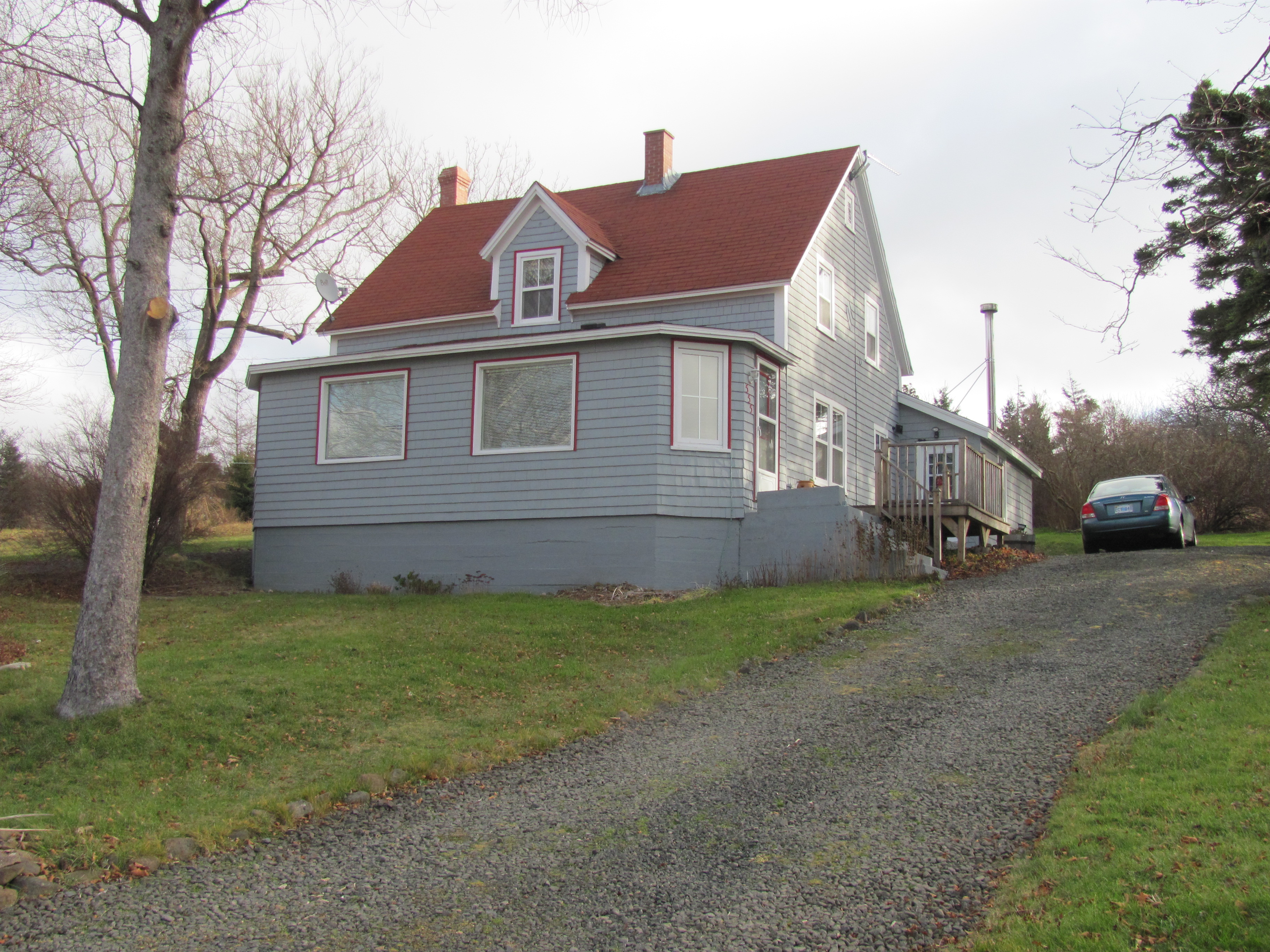
Our house in the winter.

Our house in the winter.

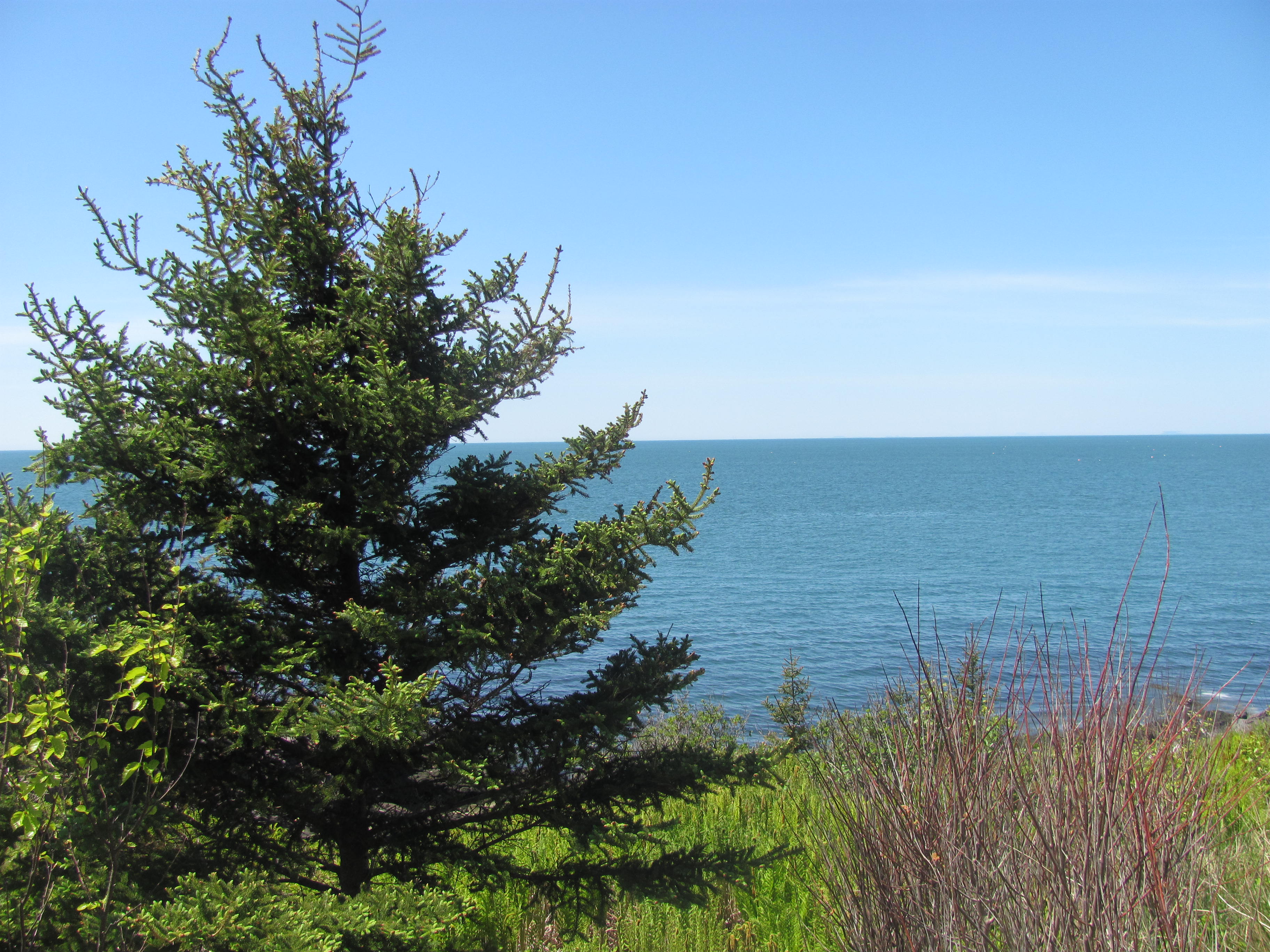
Looking out to the Bay of Fundy from Victoria Beach.

Looking out to the Bay of Fundy from Victoria Beach.

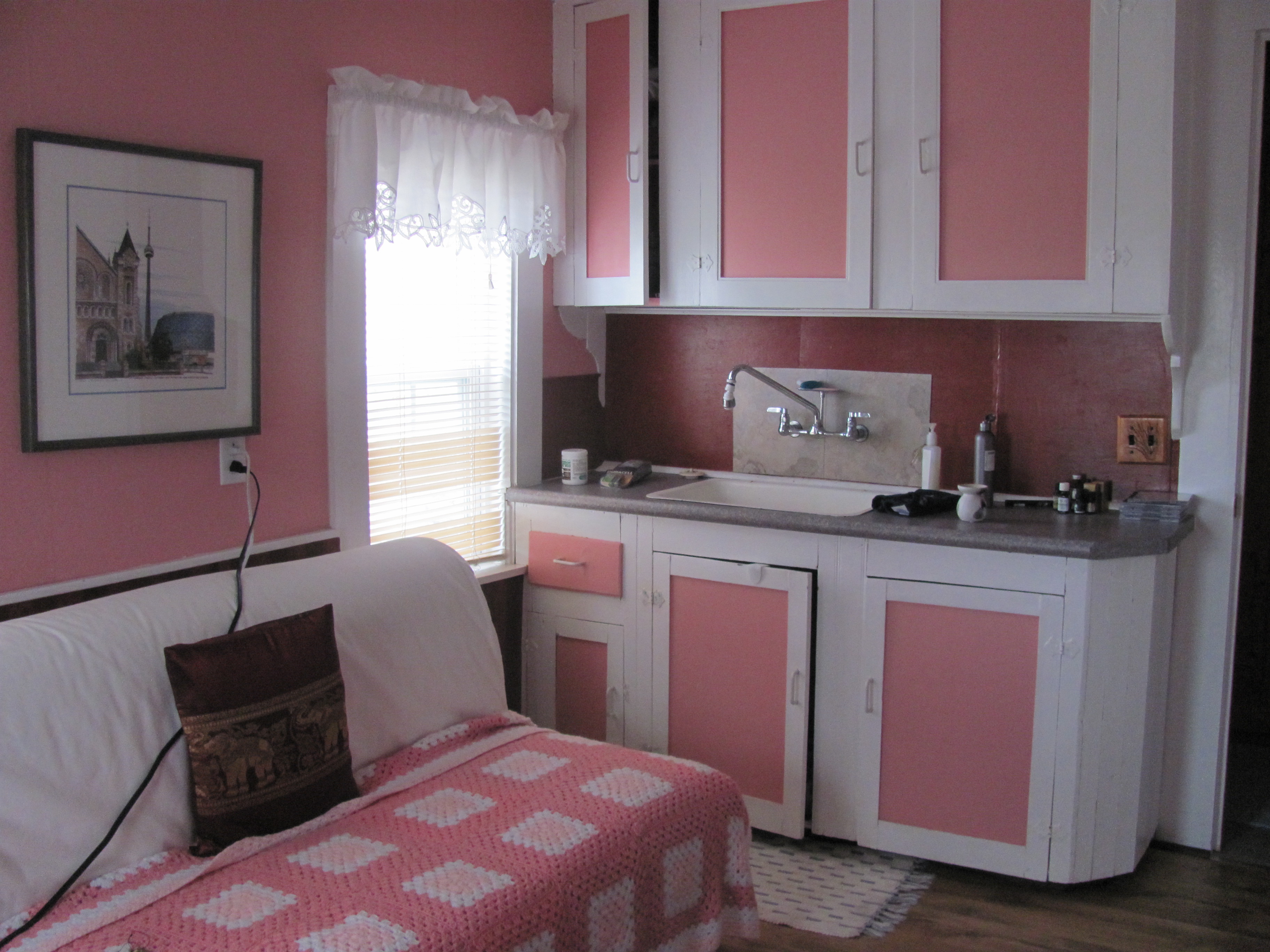
One of our newly renovated rooms.

One of our newly renovated rooms.

Looking at Victoria Beach from Point Prim.

Looking at Victoria Beach from Point Prim.


Reflecting on Victoria Beach

“It’s not our experiences but how we reflect on them that make us whole”.

These words were quoted by Jane Fonda at a TEDx conference in December 2011. You can hear all of her speech on blog.ted.com/2012/01/04/lifes-third-act-jane-fonda-on-ted-com. Her topic is on the subject of aging. We are living on an average of 30 years longer than our grandparents so how we deal with this is crucial to our happiness. She calls this new life phase “Life’s Third Act”.

There is certainly much ‘food for thought’  in this quotation. Since most of my friends and I are now in the third act of our lives, most of us agree we don’t want to end our lives as our parents and grandparents did. To prevent this, we are experimenting with all types of different experiences, but are we taking the time to reflect upon them? This is the crux of it all, isn’t it?  How can we take our experiences and use them to become a whole person? On hearing this, from Jane, I immediately zeroed in on my travel experiences over the last seven years realizing just how much they have contributed to my own personal growth. This then led to my reflecting on how my life here in Victoria Beach has also contributed to my well-being. In fact, I can take this whole business of experiences and the ability to reflect upon them one step further and include every experience in my life, be they good or bad, as my own personal growth enhancers. I understand more clearly than ever how we can grow so much more from those experiences that are the most challenging rather than those that are the most fun. What makes it all somehow easier is that as we age, we have more wisdom to deal with those challenging ones, the greatest being the ability to deal with aging itself.

Last spring when my husband and I returned from our travels to Victoria Beach, we began to question whether we wanted to stay and keep on living the rural life in an old house in a remote area so far away from our children and grandchildren. We decided to put our house up for sale. Luckily we had only a few nibbles because now after more soul-searching and a closer look at our finances, we have decided to stay here for the time being and enjoy what we have built up over the past eight years. To move back to Ontario would mean having to start all over again which somehow seemed to be taking a step backwards. We realized that by remaining here, we can have the best of two worlds: temperate summers and lovely autumns here and five months of sun in a warm country. So long as we have our health and enough money for airfare to get us to an undeveloped country where the cost of living is less, we can not only escape winter but also experience different cultures.

So what are some of the growth enhancing experiences that I have discovered while living in Victoria Beach? Here are three of them:

1.  The fact that I have unspoiled nature all around me. I can see the great Bay of Fundy from my living room window. I can go for walks along our beautiful road (the oldest in Canada as it boasts of the Habitation in Port Royal founded by Samuel de Champlain in 1604) which takes me through woods and fields where all that reaches my ears are the sounds mother nature and an occasional passing car. I can hear the fog horn in the distance when it’s overcast. I can wake up to the sound of the birds in the morning. I can see the stars and phases of the moon clearly at night. I get a thrill from seeing and hearing the Princess of Acadia, the ferry which goes right past us on its way from Digby to St.John every day. And, yes, I can even learn to like, just a little bit, the sound of the wind whipping around our old house in the late fall and the winter if ever I have to stay here.

Looking out to the Bay of Fundy from Victoria Beach.

Looking out to the Bay of Fundy from Victoria Beach.

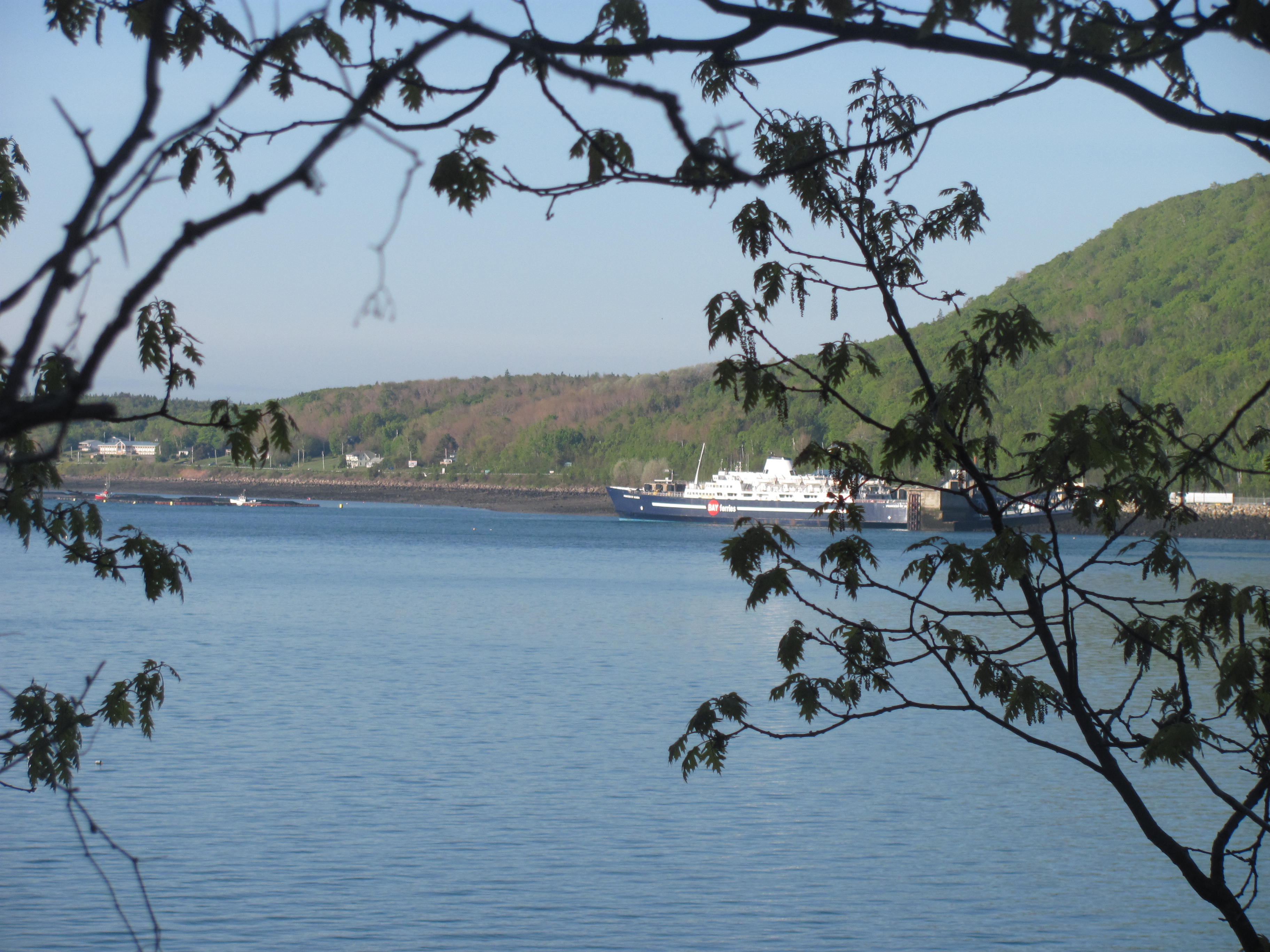
Looking across to Digby and the ferry from Victoria Beach.

Looking across to Digby and the ferry from Victoria Beach.

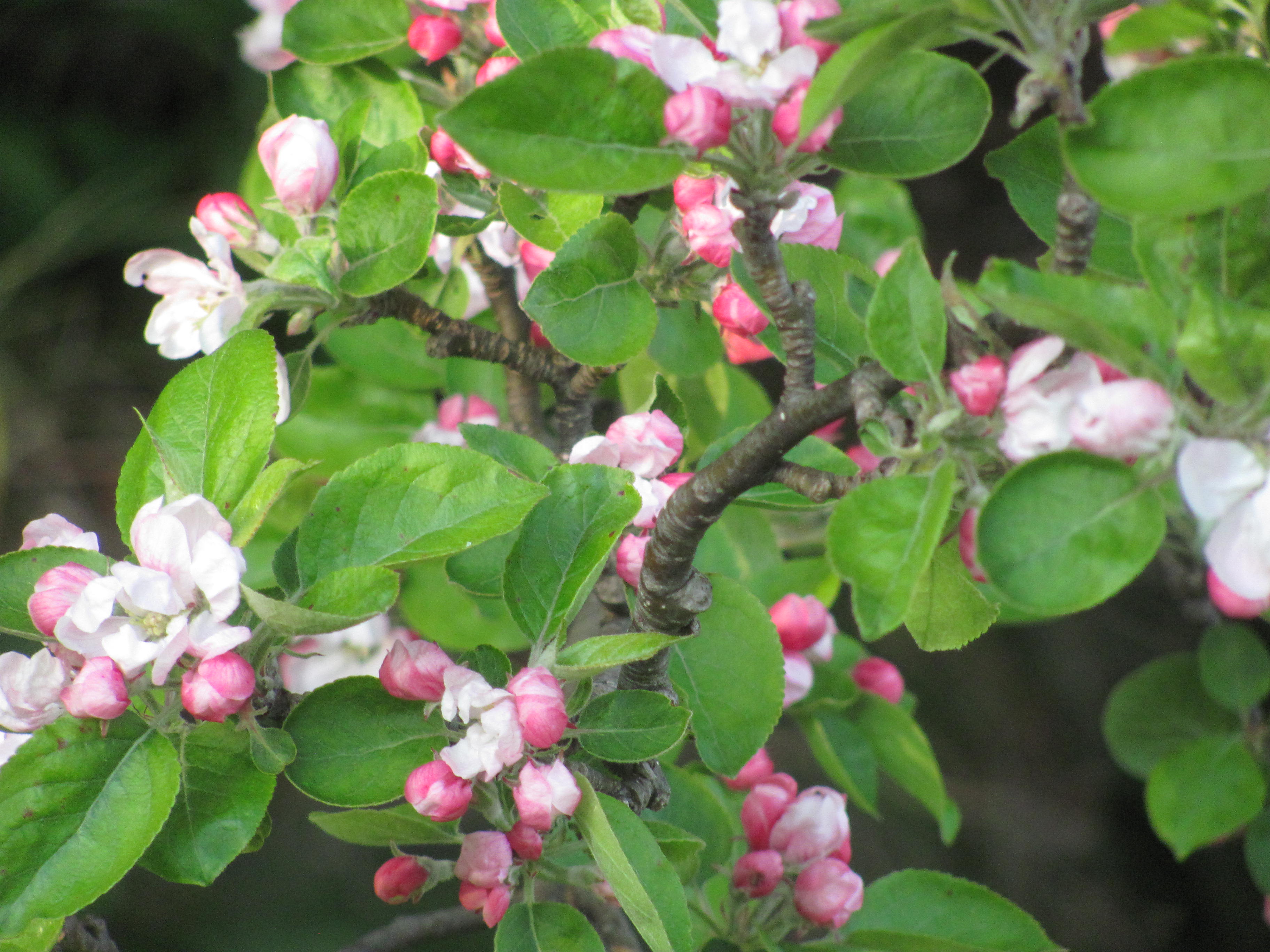
Blossoms on an old apple tree along side of our road.

Blossoms on an old apple tree along side of our road.

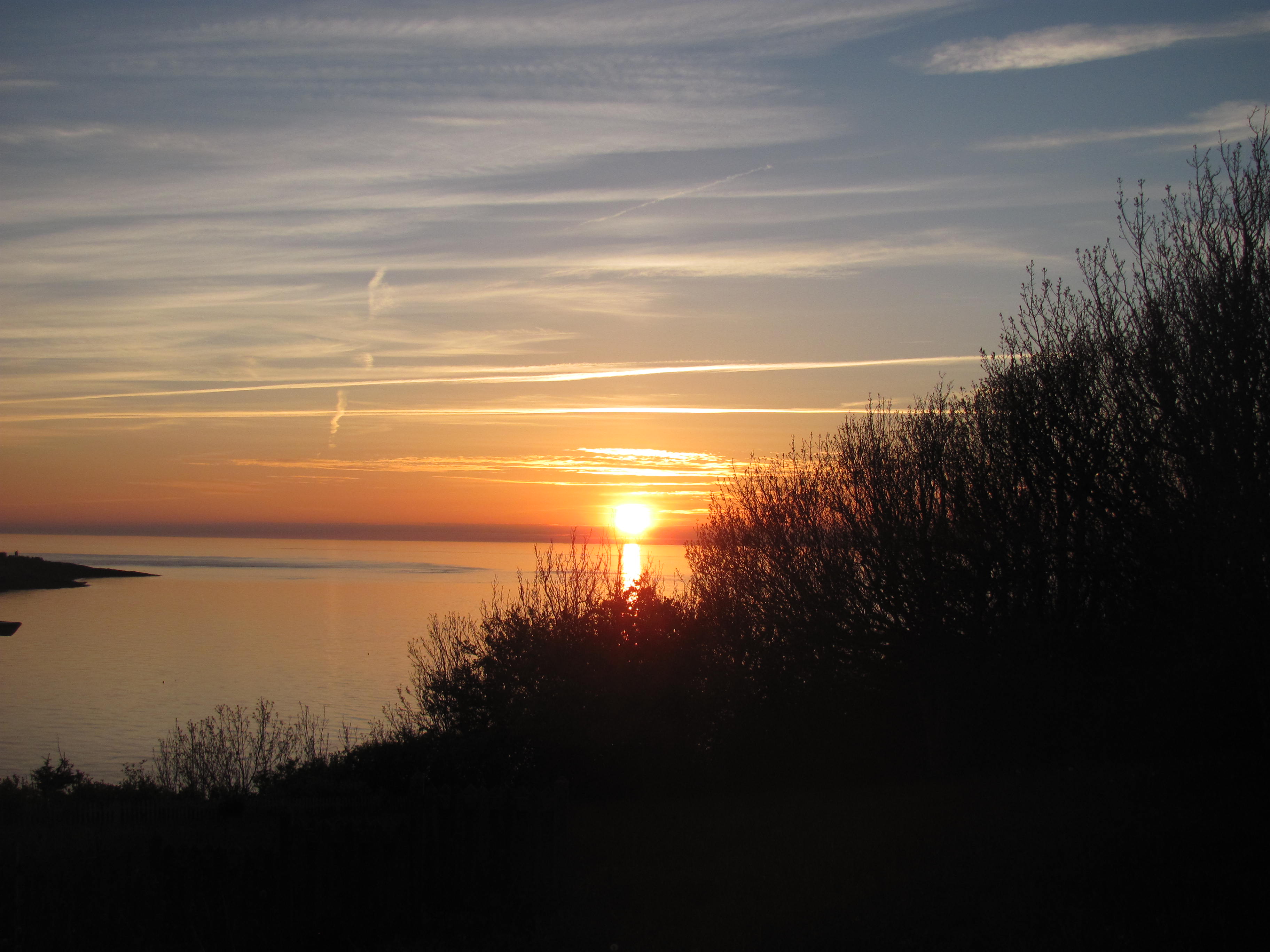
2. The most incredible sunsets which are present at all times of the year. I have seen many sunsets  in my travels but none to rival what we get here. Every one of them is unique and always a challenge for my amateur photography skills.


Just another incredible sunset at Victoria Beach.

Just another incredible sunset at Victoria Beach.

Victoria Beach - Spring 2014 051

All have their own beauty.

All have their own beauty.

3. Finding a sense of community has to be number three. Victoria Beach has about 50 houses inhabited by locals going back several generations and an increasing number of ‘come from aways’ as the locals like to call us. People from the US, other parts of Canada, Germany, Scotland, and England have come here and fallen in love with what this area has to offer. It took us awhile to feel this ‘sense of community’ but after eight years we have it. We have made friends from all sides both in and around Victoria Beach. When we leave our home for the winter, we have neighbours to keep an eye on things, take in our mail, and water our plants. We know our old house is in good hands. Maybe everyone knows our business, but I have come to realize this is a good thing.

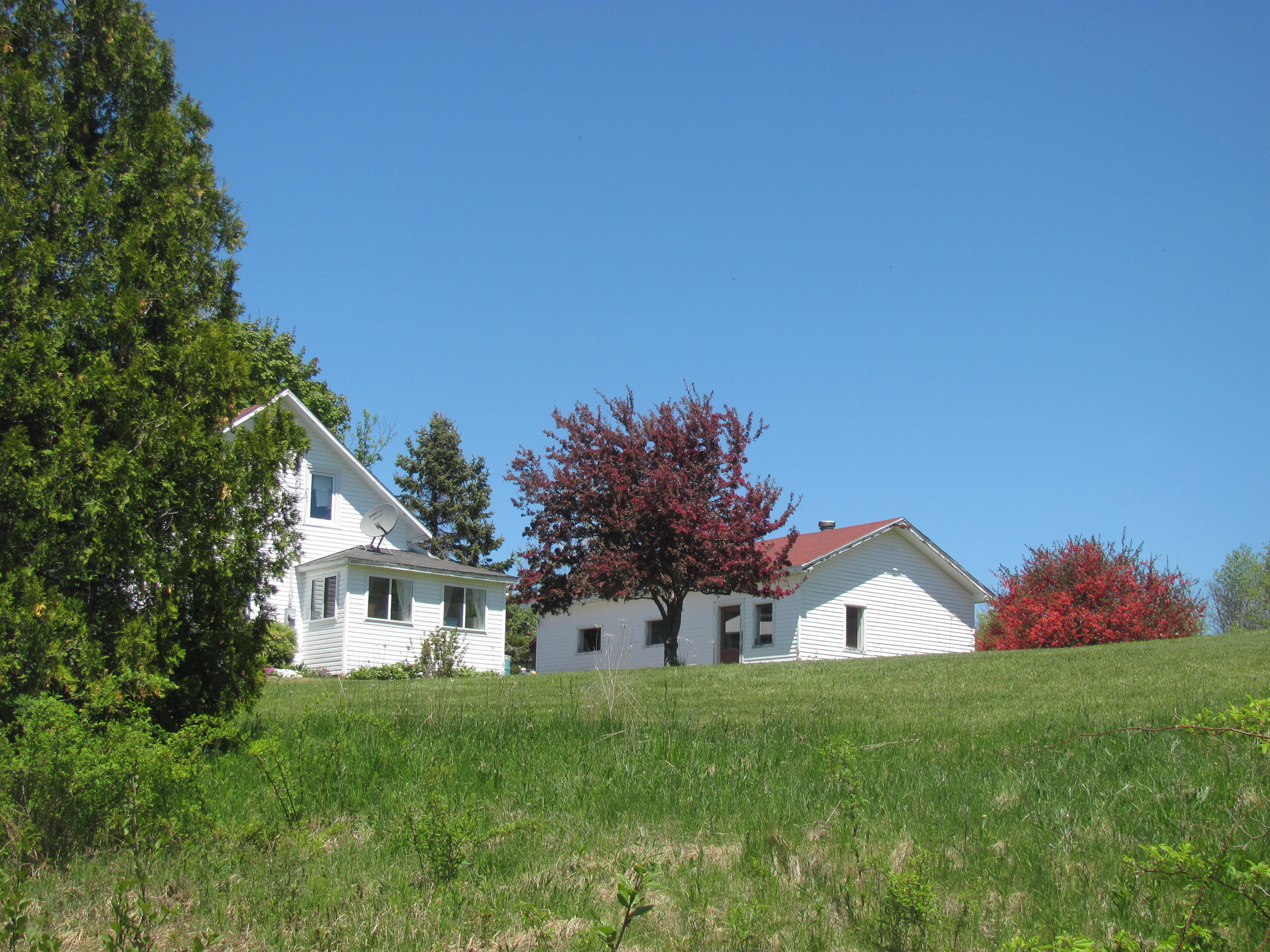
One of the oldest houses in our village.

One of the oldest houses in our village.

Yes, I owe Victoria Beach a great deal. It enriches my soul with its unspoiled nature, its sunsets, its sense of community which goes back more than a hundred years, and its friendly inhabitants. I am glad we have made the decision to stay a little bit longer. It just wasn’t the time to go.