Beaches, Oranges, and Fado

If I had to sum up my most memorable things about the Algarve region in the south of Portugal, these three things are it – the beautiful beaches, the abundant orange trees, and the soul moving music of known as fado.

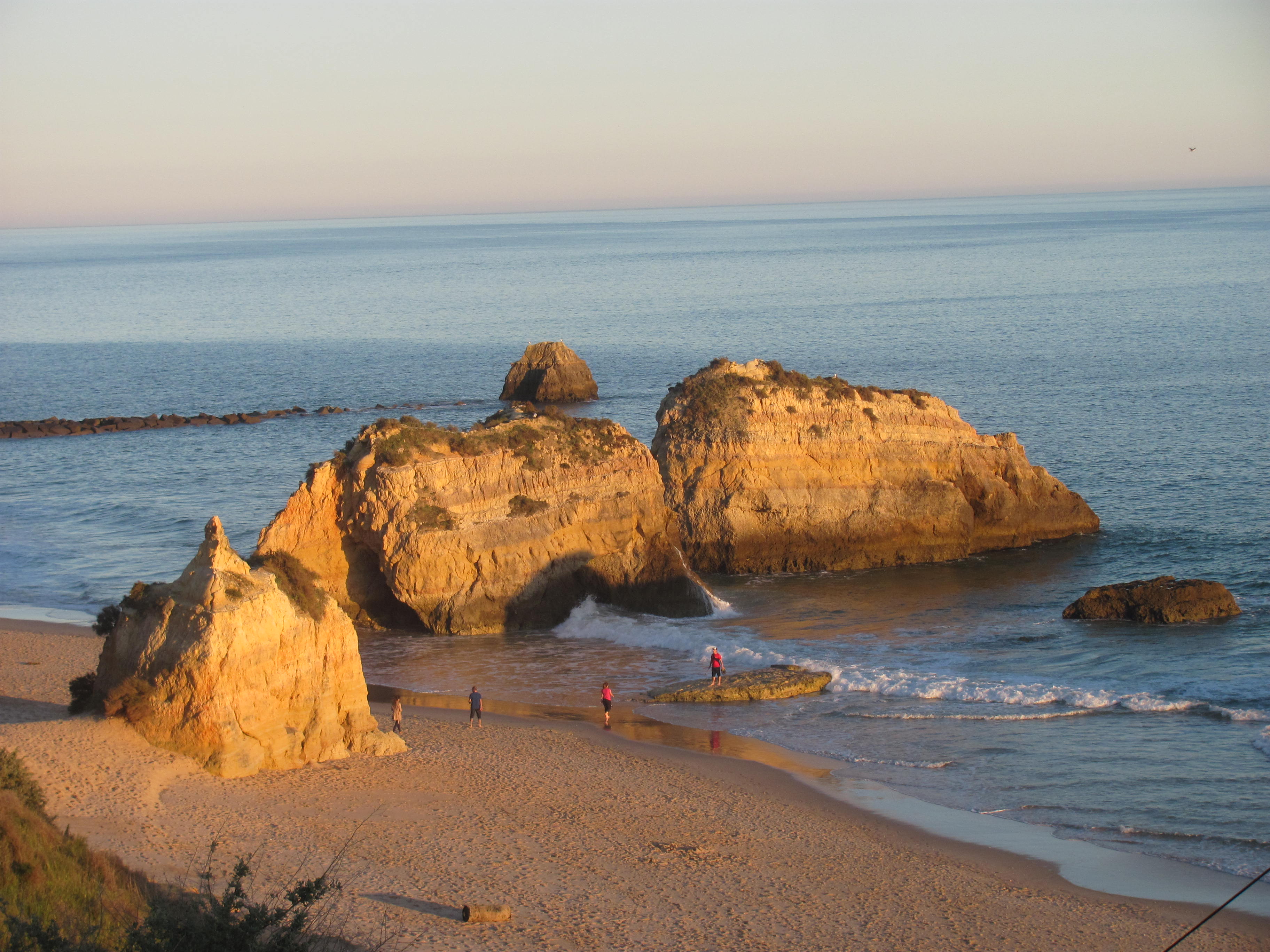
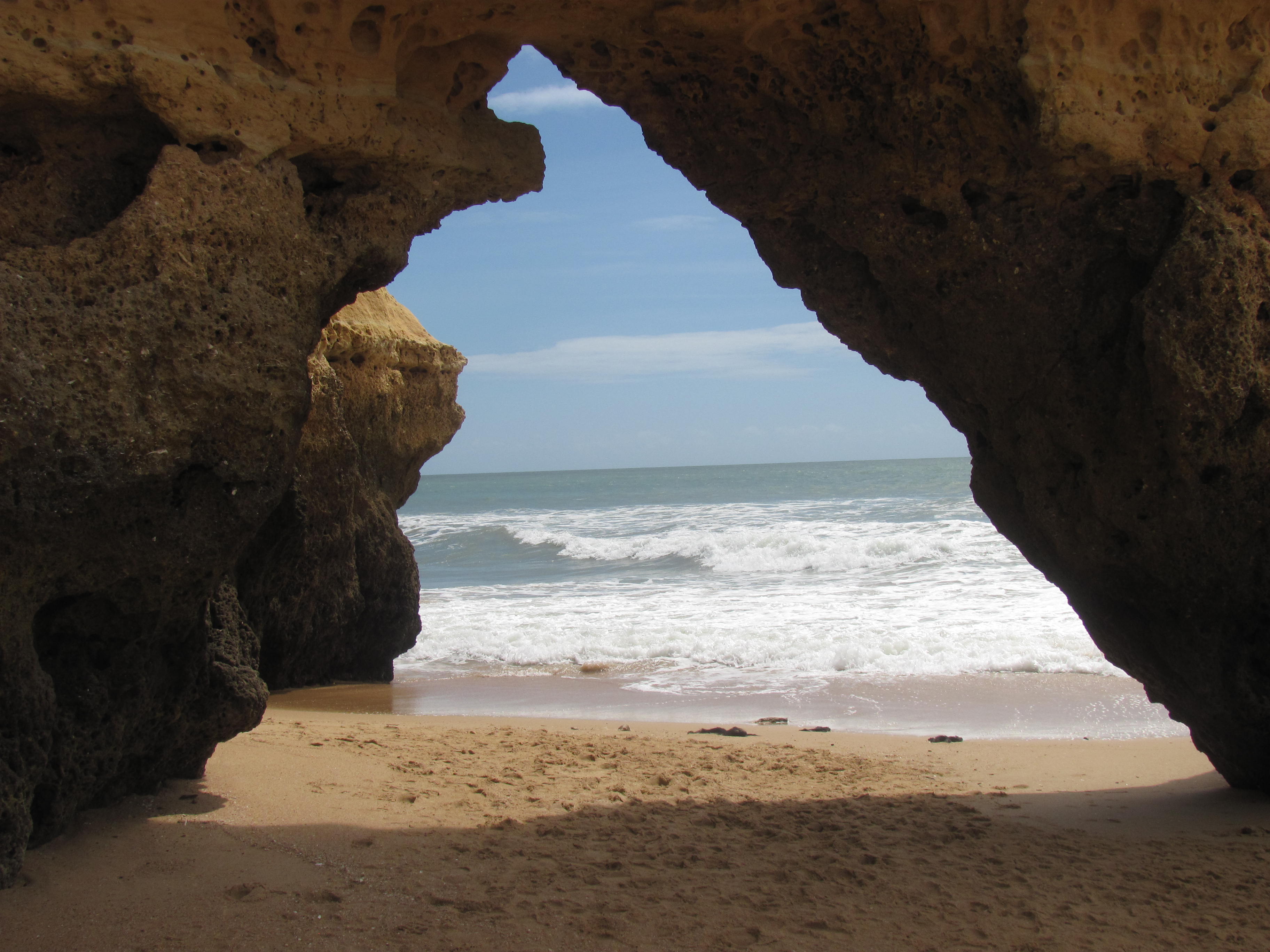
The number one reason why the Algarve draws so many tourists is for its beautiful beaches. True, there are scads of beautiful beaches in this world, but the ones here are exceptional for their sandy beaches, rocky cliffs, little coves hidden beneath the grottos, and outcroppings of rocks which seem to pop up everywhere. Even though they are influenced by the cold Atlantic, they are, nevertheless, a whole lot warmer especially on the leeward side towards the Spanish border. Since we have been comfortably settled in Portimao for the past two weeks and now that the sunny weather for which this region is known has returned, we have been visiting some of these nearby beaches. In fact our favourite, the Praia da Rocha about a kilometer away from our apartment, has won some kind of award for being the most beautiful beach in Europe.

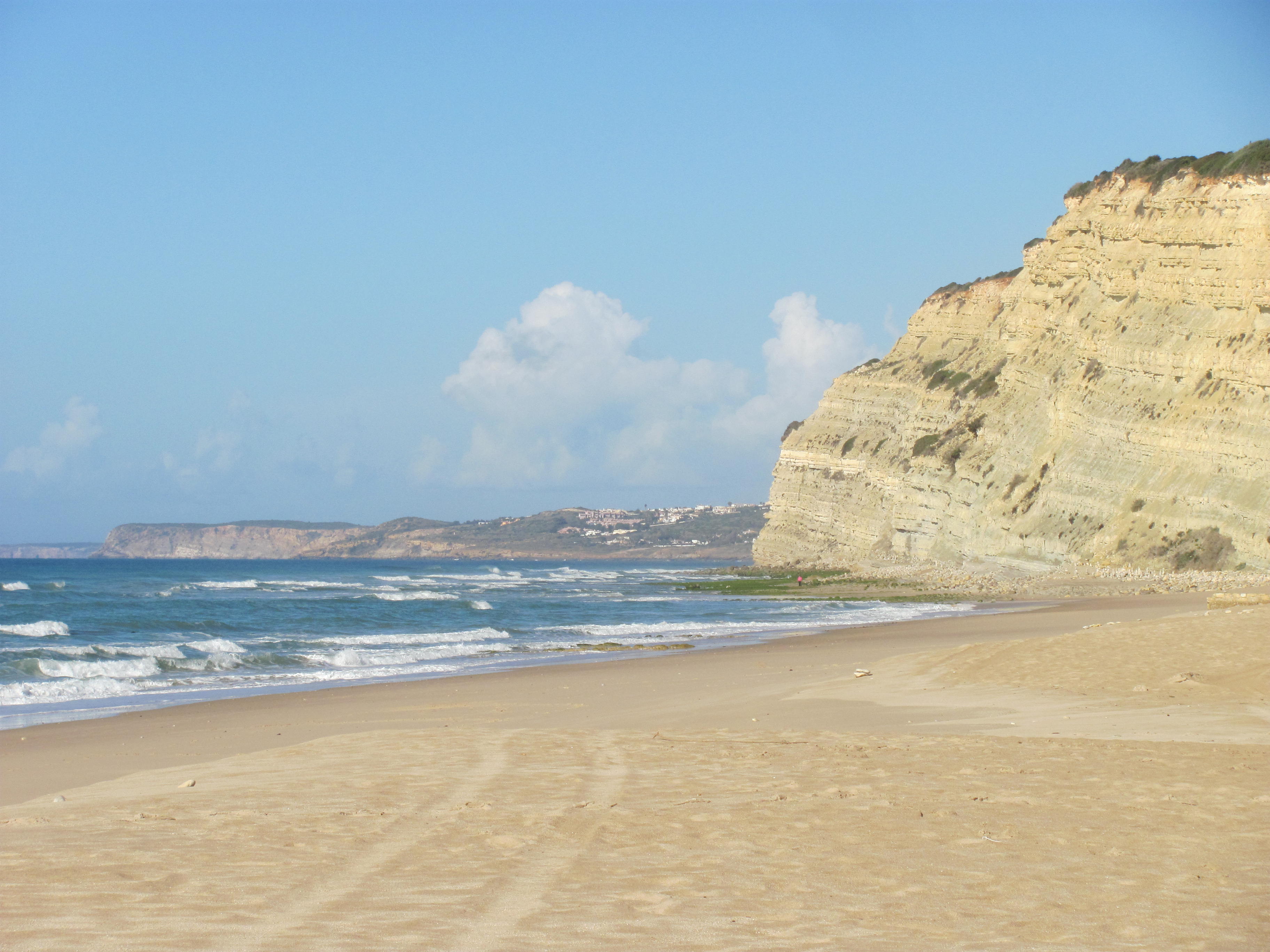
Sandy beach at Lagos.
Sandy beach at Lagos.

Rock outcroppings on Praia da Roche
Rock outcroppings on Praia da Roche

One of the many grottos.

One of the many grottos.

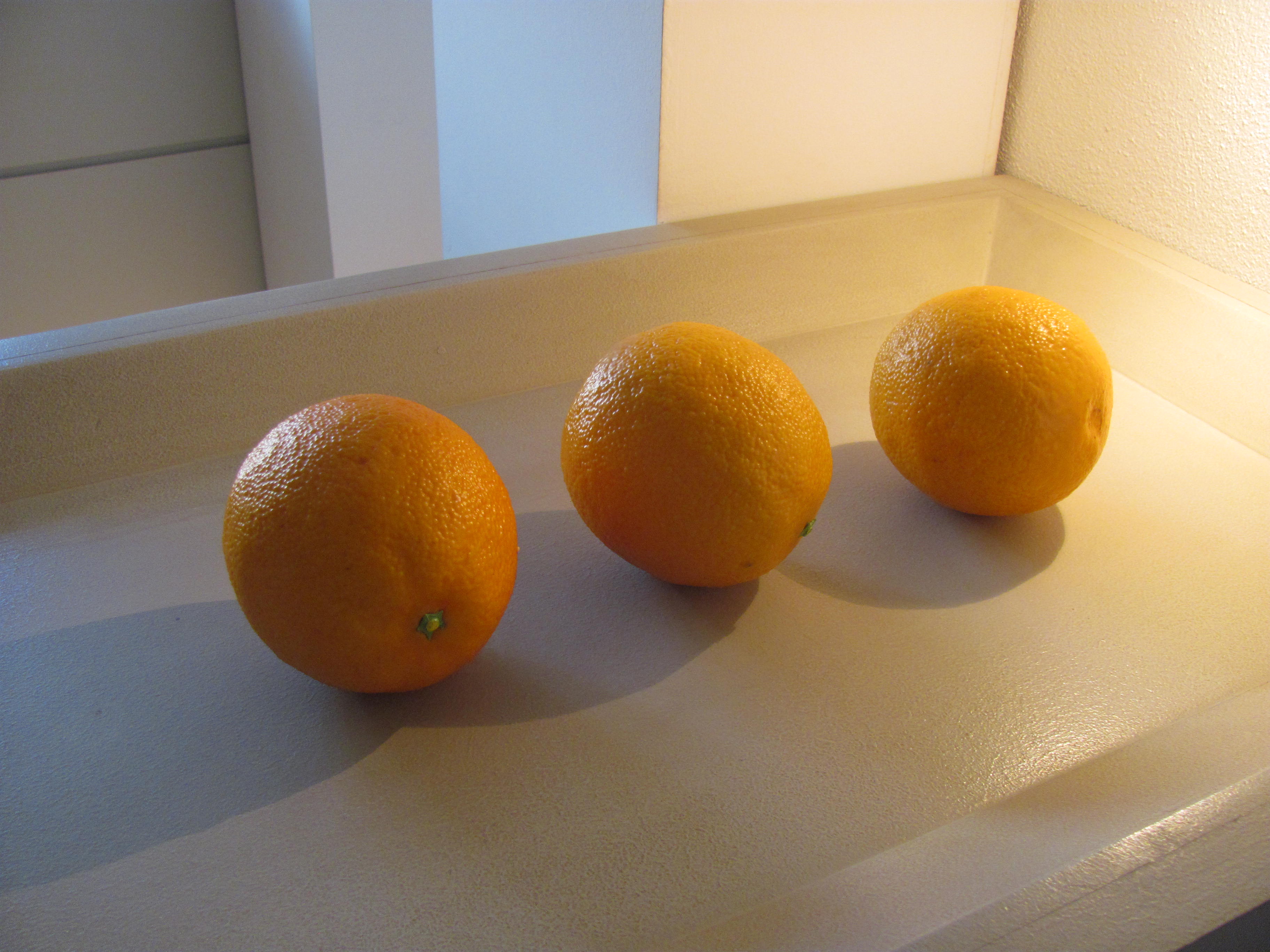
On my first days here in the Algarve as we walked around getting to know the town of Lagos, I couldn’t stop smelling the loveliest aroma imaginable. I soon realized it was the delicate aroma of the orange blossoms from the trees which seemed to be everywhere, from everyone’s back yard to the trees lining the boulevards. Interspersed among the orange trees were the lemon trees just dripping with huge lemons. Seeing this started my quest for getting the perfect photo of the orange tree…and the orange! I wasn’t too enamored of the lemon tree because once I had tasted one of those oranges I was hooked on them! Oranges and fresh orange juice have been a part of our daily diet. However, not to exclude those luscious lemons, we have been using them to enhance the flavour of our cooking.  I just wish we could bring home bags of them, not just for the taste, but for the cost which is a third of what we pay in NS.

Orange trees everywhere - a farmhouse near the town of Silves.

Orange trees everywhere – a farmhouse near the town of Silves.
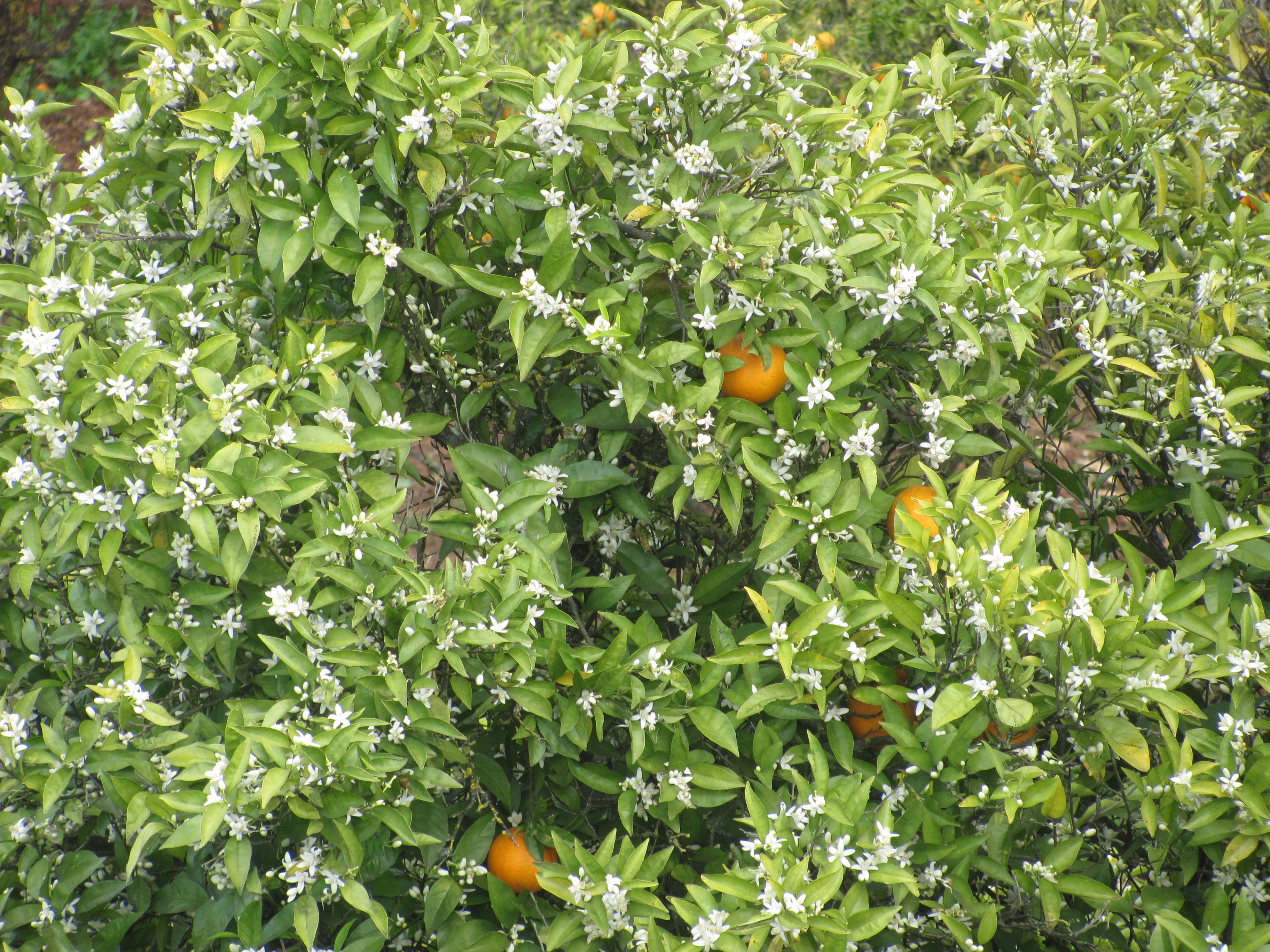
Oranges and blossoms in spring time.
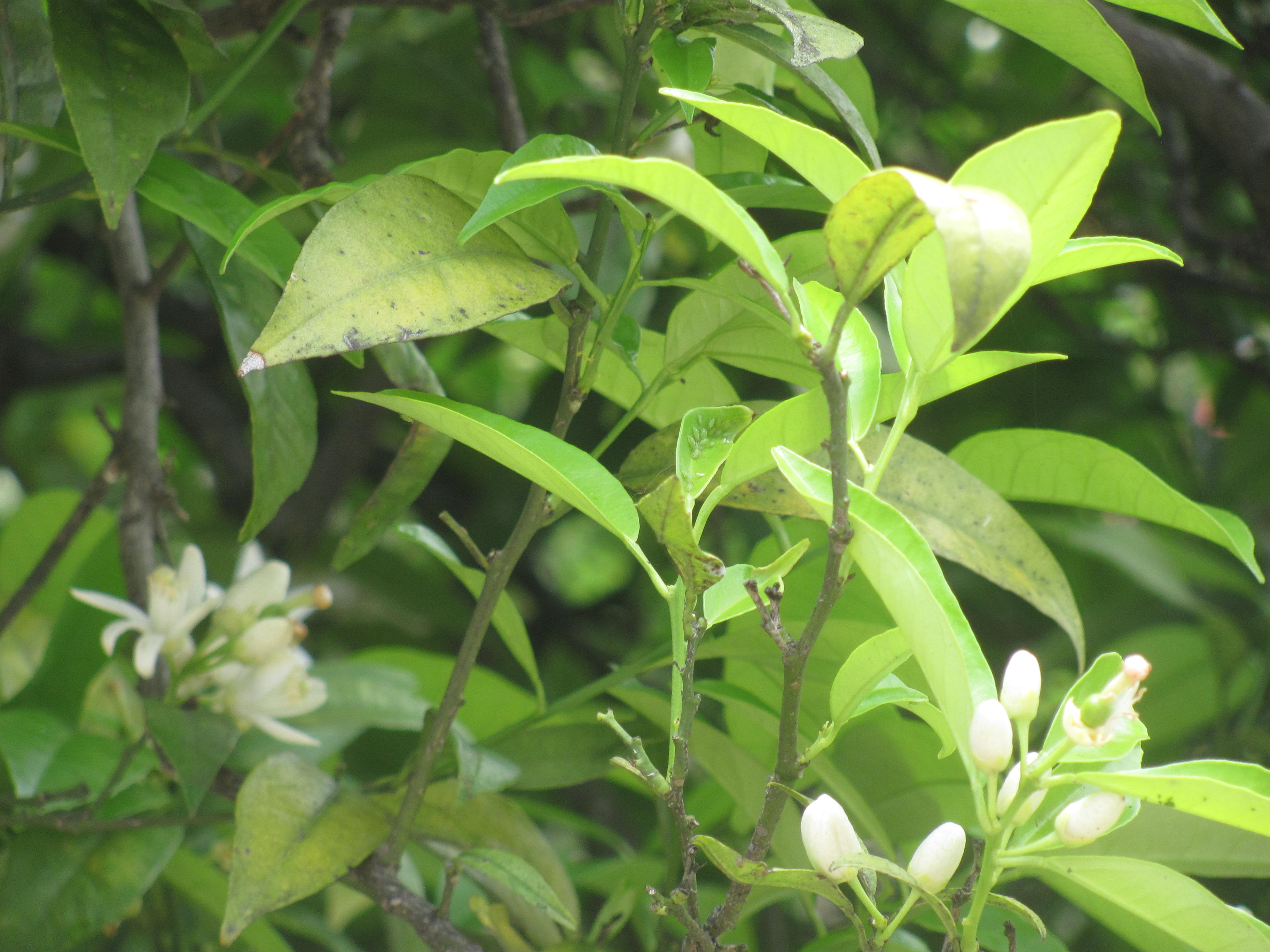
Oranges and blossoms in spring time.

Orange blossom.
Orange blossom.

The Algarve's perfect orange.

The Algarve’s perfect orange.

Fado shouldn’t be on the list of memorable things reminiscent of the Algarve, but of Portugal as a whole and especially Lisbon, since that is where it had its beginnings. However, I had to include it here because this is where we heard the most heart-wrenching singing and music ever, right here in Portimao, making it my third most memorable thing about this beautiful region. This type of singing, sung only in Portugal, evolved from the taverns and brothels of the port of Lisbon in the 1820’s. It’s taken from the Portuguese word saudade meaning nostalgia. The story behind the mournful singing by a fadista (female singer) is one of bittersweet longing for some kind of loss, usually a lover or death of a loved one. The fadista is accompanied by a Portuguese guitarist, a classical guitarist, and in more modern times as we experienced last Saturday night, perhaps a set of drums or other modern instrument. Of course, the whole performance was sung in Portuguese; nevertheless we could pick up the drift of the theme just by the tone of utter angst and the actions of the fadista. She and her backup band were absolutely sensational at pulling in their audience (the encore went on for at least half an hour) leaving us with an unforgettable impression of a genre of music that was almost new to us. We had both heard it before on a CD which was recorded in the 1960’s probably by Amalia Rodriguez, Portugal’s diva of fado, which would have been very traditional without all of the modern backup.

Portugal is of course known for many other things too numerous to see or even mention.  However, I would be very remiss if I didn’t pay tribute to the the cuisine and architecture we have encountered. Portugal is a maritime nation like Nova Scotia so it’s cuisine is defined by the fish that come from the sea. Unfortunately like us in NS, the Portuguese have over fished so now most of their fish come from Norway. However, this doesn’t mean that fish don’t play a big role in the kinds of dishes which are at our disposal. We have sampled delicious creamed cod, grilled bass, grilled sardines (their specialty), hake, salmon, and shrimp, but no lobster. They fish very few lobster here.
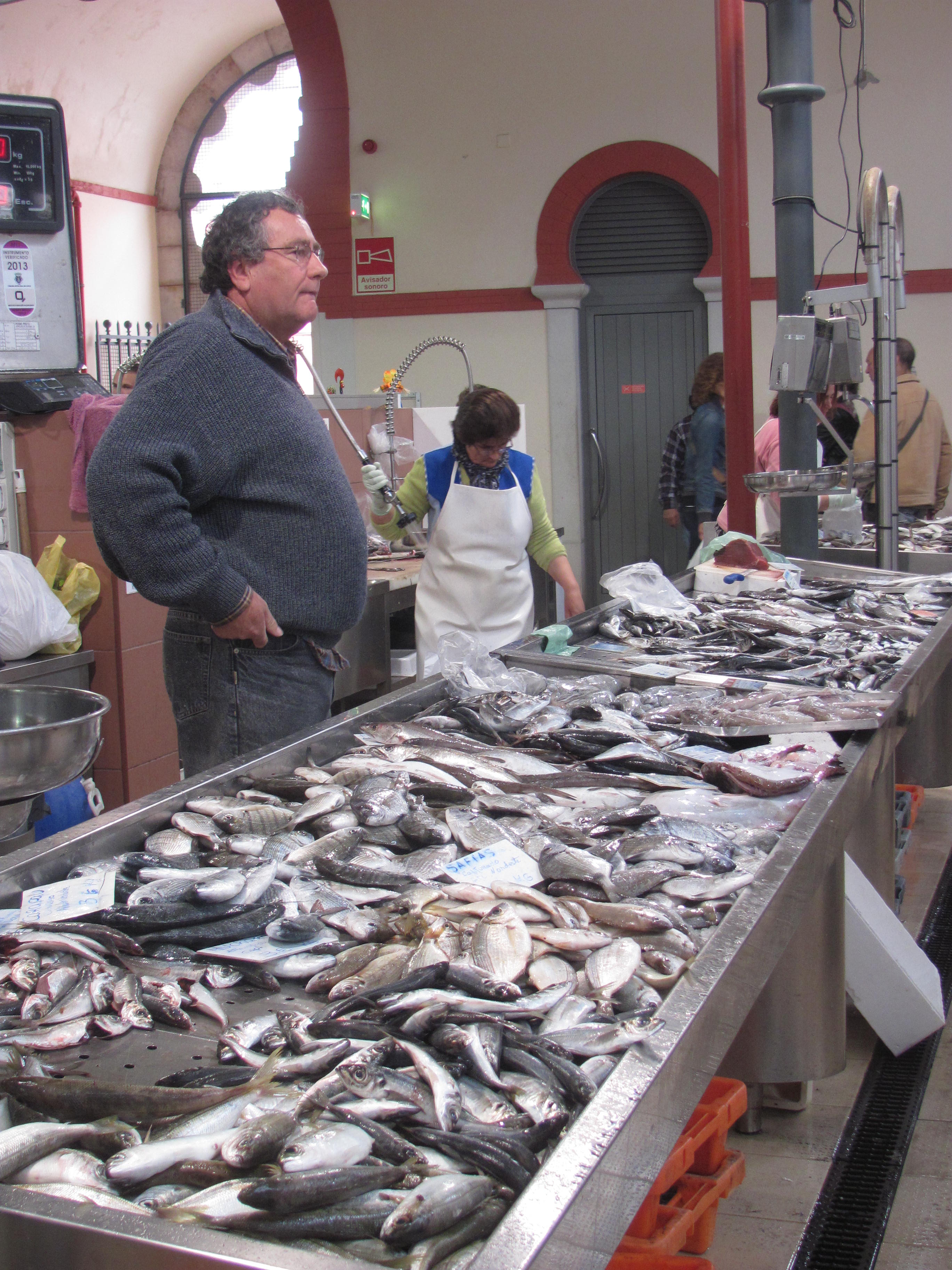
The market in Loule.
The market in Loule.

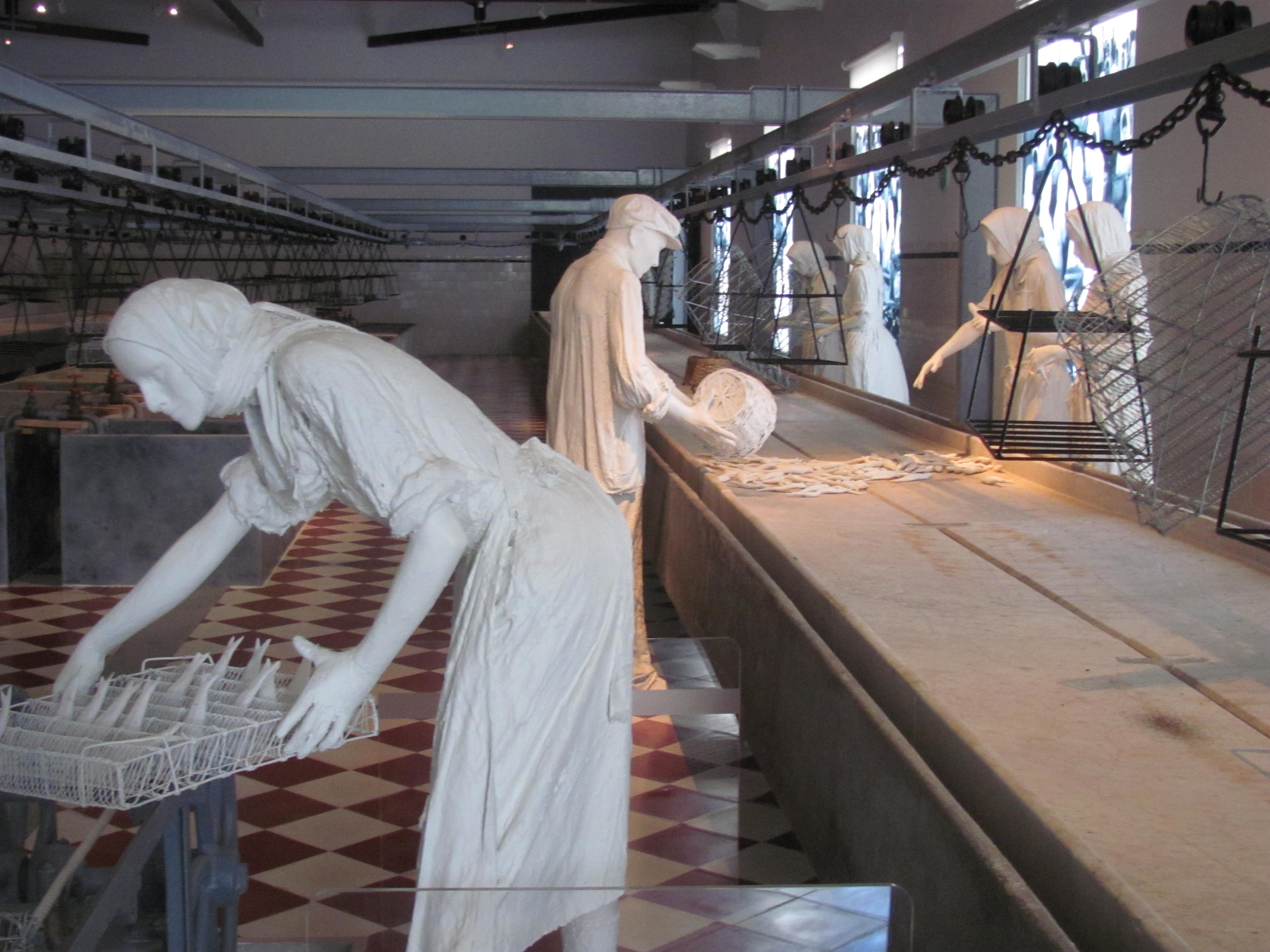
Reproduction of the sardine packers at the Portimao National Museum.

Reproduction of the sardine packers at the Portimao National Museum.

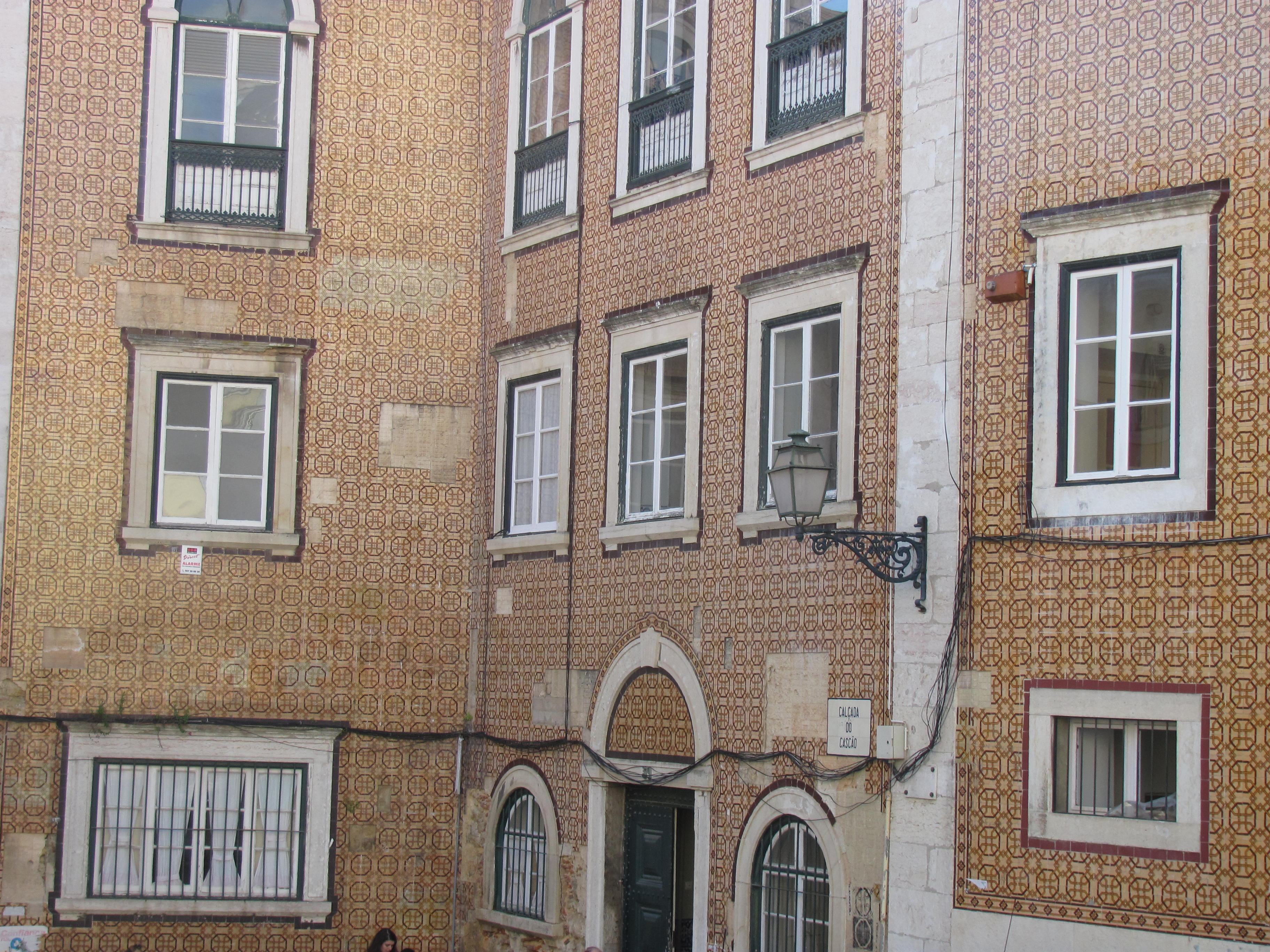
We have explored castles built by the Moors in the 1200’s and admired the Moorish architecture which is still evident today in the homes and buildings as in their chimneys and the tiles. The strange looking chimneys resemble small minarets and can be seen on almost all homes.  The tiles or azulejo for which Portugal is famous can be found in many of the churches, train stations, homes, and public buildings.

Typical chimneys on the homes in the Algarve.
Typical chimneys on the homes in the Algarve.

A completely tiled house in Lisbon.

A completely tiled house in Lisbon.

Tiles from a church in Loule.

Tiles from a church in Loule.

There is still so much to see and do in this country so it’s with regret that we have to leave soon. We needed to put down roots for awhile here in Portimao, but now that the end of our stay is near, we are feeling compelled to squeeze in a couple of remaining places on our ‘must see’ list. The first is the lovely seaside town of Tivara very near the the Spanish border, and the second is the town of Sagres in the opposite direction at the furthermost tip of the country reaching out into the Atlantic Ocean. After this, we are scheduled to leave by train for the city of Porto, the capital of the northern region and centre for the vineyards producing the best port in the world. Hopefully, my next post will be about what we encounter in our travels to these three places.
East Meets West

It seems like an eternity since we left Thailand but really it was only a little over a week ago. Having to go through so many changes such as climate, culture, and time zones, has put our minds and bodies totally out of sync. However, now that we are settled in Portimao in the south of Portugal for the next two weeks, I am at last beginning to feel a sense of satisfaction and some anticipation for what lies ahead.

I must confess that it’s taken some getting used to being back into the western way of life again. It’s always comforting to be back in the midst of the orderliness and cleanliness of life in this part of the world, but it’s been tough dealing with the high prices and the cool temperatures. It’s a real challenge to keep within our budget when the cost of each Euro is now $1.60 Canadian. Moreover, with the temperatures hovering around 15 degrees and our fair share of rainy overcast days, which we are told is unusual for the Algarve this time of the year, adequate clothing can be a problem if one doesn’t relish wearing the same thing every day. Truth be told, I am missing those hot, humid Thai days where sandals and shorts were the order of the day. The one thing I don’t miss though is the dirty air in Chiang Mai which is becoming more of a problem for me every year. I can now revel in Portugal’s clear, crisp air wafting in from the Atlantic Ocean, a little reminder of home and Nova Scotia.

Now that we have put in roots for a while, I’ve had time to reflect on just what we have accomplished in the past ten days since we left Chiang Mai. We flew down to Bangkok and stayed at a hotel near the Sukhumbhumavarni Airport where we prepared for our twelve-hour flight via Air France to Paris. Graham always manages these long hauls with lots of wine which puts him to sleep. I don’t fare so well since I can’t drink lots of wine, and I don’t sleep. My choice is to either read or watch movies. I always opt for the latter as I find this much easier, and it often gives me an opportunity to catch up on some of the latest flicks. I was delighted to see “Twelve Days a Slave”, which I had heard so much about, and another recent release with Meryl Streep and Julia Roberts titled “August: Osage County”, a fairly heavy drama about a very dysfunctional family. After all of this and just one meal, I even managed to squeeze in those old favourites”Annie Hall” and “The Graduate”. Whew, by the time we landed, I was exhausted and famished as we only got one full meal during that whole 12 hour trip!

Since our flight to Lisbon wasn’t scheduled to go until late in the afternoon the next day, I had booked us into another airport hotel near the Charles De Gaulle Airport in the suburb of Mesnil-Amelot, a fairly quaint little French village with large cathedral and all. I loved our brief time there. Not only were we treated to some sunshine, but clear blue sky and fluffy white clouds, something we hadn’t seen for a while. Everything was green and spring flowers were popping up everywhere.

We arrived in Lisbon that night after a short two-hour flight. Casa Santa Clara, the place where we stayed, couldn’t have been in a better location. It’s an old Lisboan house which has been totally renovated and sits next door to a huge cathedral not far from the Tagus River. We were in the old part of Lisboa known as Alfama, which is noted for that soulful type of singing called Fado.

Entrance to Casa Santa Clara in Lisbon.

Entrance to Casa Santa Clara in Lisbon.

We spent three days in Lisbon just getting to know this beautiful city built on seven hills on the Tagus River with the Atlantic Ocean looming in the background. Thus, it has a distinct Maritime feel. Our first day was last Sunday, and since museums all have free entrance on that day, we decided to take advantage of their generosity. There are numerous museums to choose from in this historic city, but we decided on the most significant, the Calouste Gulbenkian, named after an Armenian oil magnate, a passionate collector of artifacts encompassing the entire history of both eastern and western art. His collections begin with ancient Egyptian art, then on to Classical Greek and Roman art, to the great treasures from the Islamic and Oriental cultures, and finally the great masters of European art. Never had we seen such an extensive collection of art all in one building! The Portuguese are very lucky to have had all of this bequeathed to them.

Wooden sculpture from the early Egyptian period.

Wooden sculpture from the early Egyptian period.

A piece of gorgeous Persian pottery.

A piece of gorgeous Persian pottery.

A Manet masterpiece, one of my favourite artists.

A Manet masterpiece, one of my favourite artists.

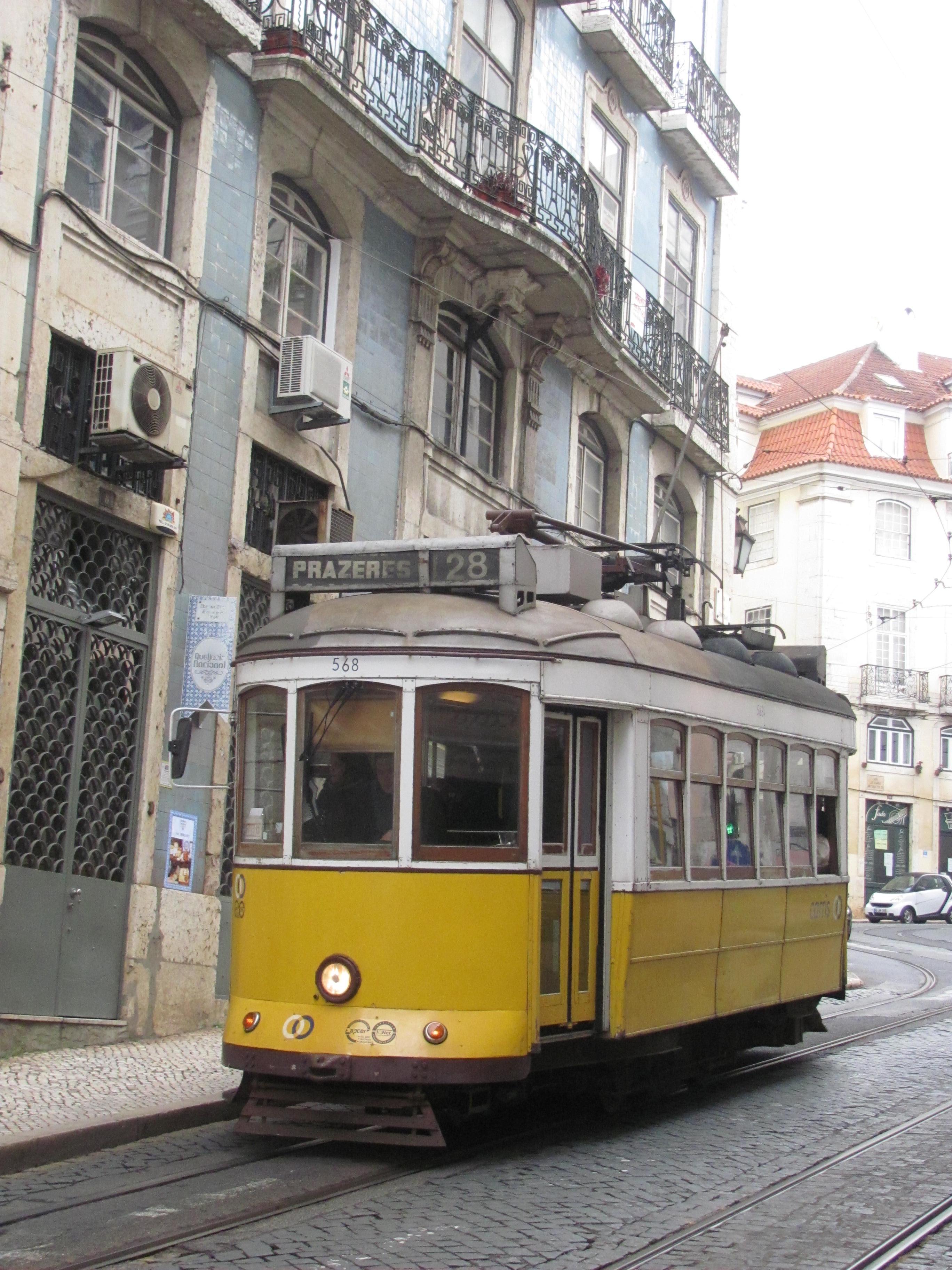
Our second day presented us with some very iffy weather (rain and sunny periods) so we decided to take a tour on one of those ancient tram cars for which Lisbon is so famous. In fact, we took tram No.28 which our guidebook told us was a ‘ must do’. So we did and got to experience what a really bumpy ride up and down very steep hills is like and to see just how narrow the streets are in the Alfama district.

The No. 28 tram car - a Lisboa landmark.

The No. 28 tram car – a Lisboa landmark.

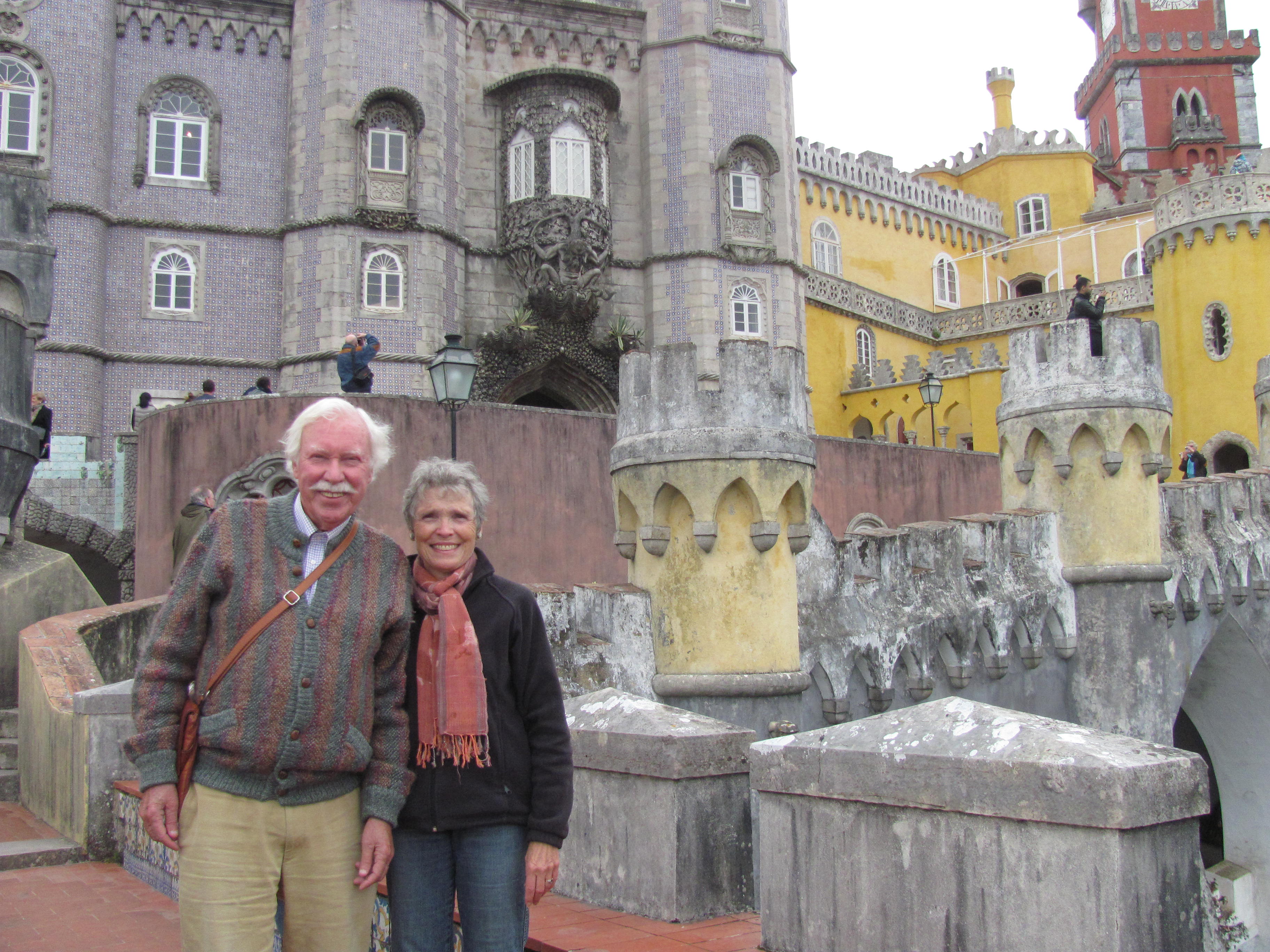
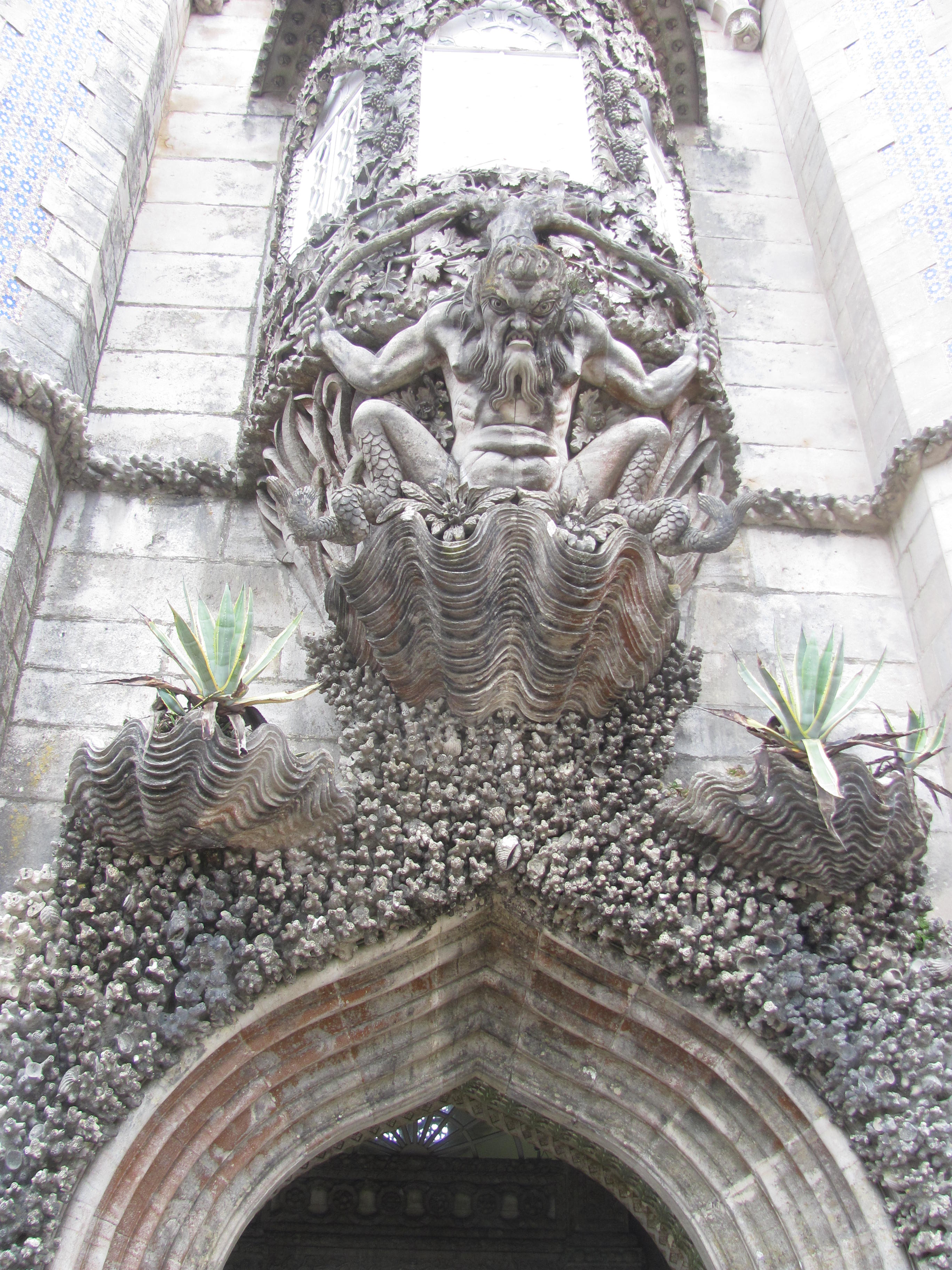
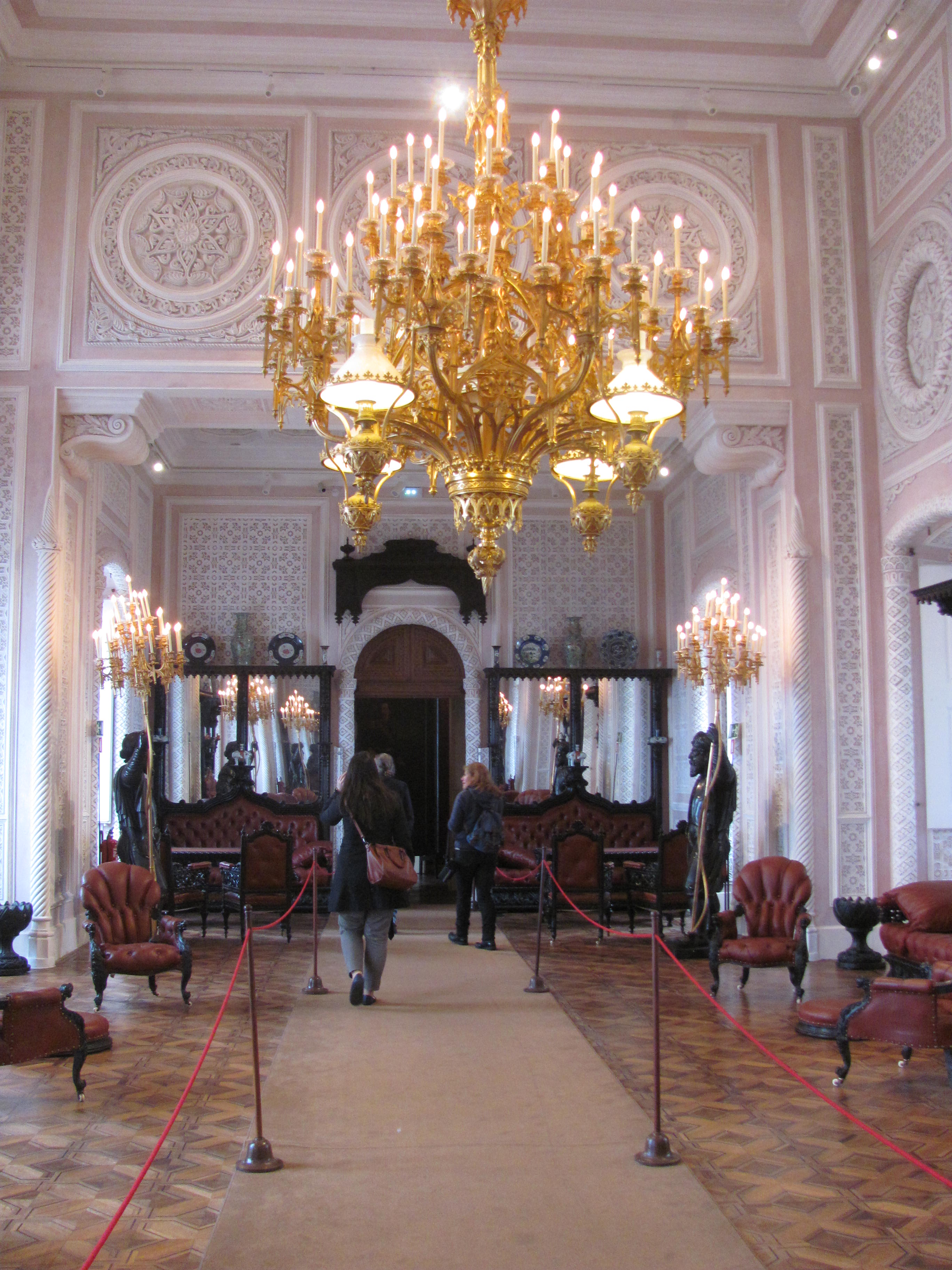
Our third day started off sunny, so we opted for another touristy activity that had been recommended not only by our guidebook, but everyone we met, and that was a train trip out to the town of Sintra which was once the summer residence of the kings of Portugal. It’s now a UNESCO site meaning that entrance fees and transportation costs require that you take lots of Euros with you.  By the time we got there, the weather had changed and not for the better. Due to weather and the horrific prices, we decided to limit our sightseeing to the castle which dominates the town and just one of the many palaces. The one we chose was the last to be constructed in Portugal by Ferdinand II who pulled out all the stops in having his German architect make it the most fantastic of palaces. There were gargoyles, and chandeliers galore in addition to beautifully landscaped gardens. The whole place had a definite fairy tale aura to it.

Graham and me in front of the Palacio da Pena in Sintra.

Graham and me in front of the Palacio da Pena in Sintra.

One of the many gargoyles adorning the doorways of the palace.

One of the many gargoyles adorning the doorways of the palace.

The palace living room with chandelier.

The palace living room with chandelier.

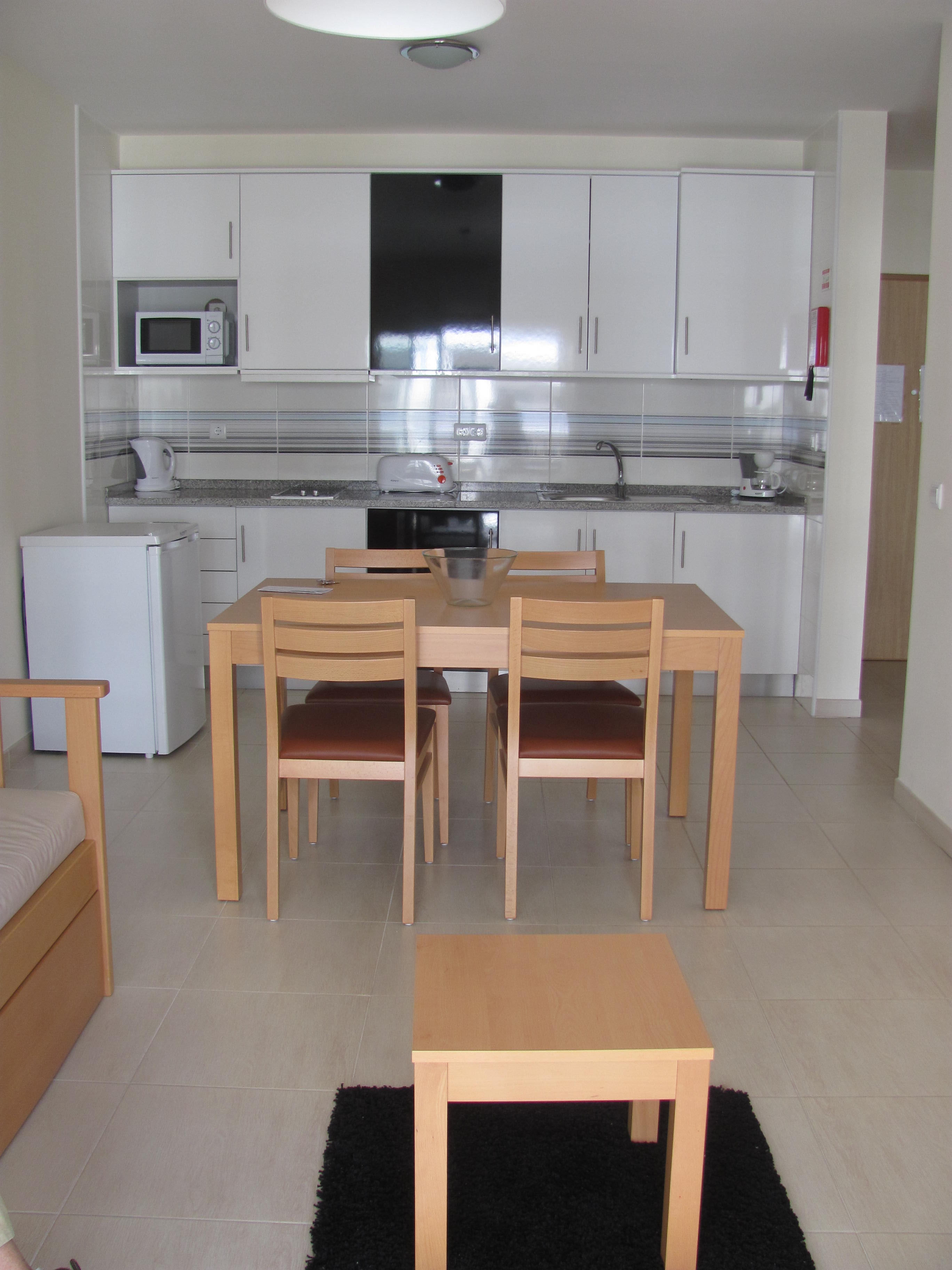
The following day, we travelled by train down to Lagos. The trains here are wonderful: fast, efficient, extremely comfortable, and cheap! This, we decided, will become one of our chief modes of transportation while here in the south. We stayed two days in Lagos at a hostel/hotel with shared bathrooms. We aren’t big on sharing bathrooms, but in Portugal in our price range private baths can be difficult to find. Lagos turned out to be a  pretty little seaside town near the Atlantic Ocean making it a prime resort area for Europeans, mostly Brits. For this reason, I found it difficult to find a small studio apartment with kitchen facilities to fit our budget, so began to look elsewhere. Fortunately, I lucked in to just what I was looking for: a clean, fairly new one bedroom apartment with a modern kitchen, big bathroom, private balcony, and all that we need to make some of our own meals. This little gem is in the small city of Portimao once the sardine capital of the world. Portimao isn’t so touristy as Lagos or Albufeira as it caters more to the working class rather than the tourist ,but it still has its own charm, such as a nice older part of town, extensive ocean frontage, and a beautiful beach just 2 km. away. I still can’ believe that it isn’t even mentioned in our tour guide-book! To make life even easier, we have a shopping centre with a huge supermarket nearby. An added bit of interest is a nearby camp of gypsies who were here long before the apartment buildings that are starting to crowd the hill.

The beach at Lagos.

The beach at Lagos.

Our apartment in Portimao.

Our apartment in Portimao.

We’re keeping our fingers crossed that this cold, wet front will soon pass over us so we can get out to explore some of the many smaller villages and towns along this beautiful coast. Since I am now feeling settled into some kind of routine, I hope to get a better feel for the people of this beautiful country and in future posts  be better able to give some impressions of the Portuguese way of life. At last, I am prepared to leave behind Thailand in the east and open up to Portugal in the west.