Shelburne and Lockeport – Two Undiscovered Gems

In the minds of most Nova Scotians one of the worst things about summer is the end of summer. Where does the time go and why is it always the shortest season? Summer is by far the best season for us in Nova Scotia although some might disagree and say fall is better.

I have Hubby to thank for bringing to my attention that the end of our summer was fast approaching, and we had not gone anywhere. We needed to do something about this so came up with the idea to head out to the South Shore. We chose Shelburne which we haven’t visited for several years. Since we only had a day and a night, we had to narrow down our choices on what to see and do. I suggested that if we were going all the way over to Shelburne (about a three-hour drive from Victoria Beach) then we had to visit Lockeport, too. Upon reflection, we both agreed that our choices were good ones. Here are some reasons for saying this.

Historical Significance

An overpowering sense of history is evident in Shelburne, once a thriving shipbuilding town. Walking along its historic waterfront on Dock Street, I found myself being transported back in time to 1783 when the town was established by Loyalists who supported the British. Today it still looks very much like it probably did back then, with its natural environment composed of forest, water and old, grey- wooded blockhouses. There are no power poles and wires to mar this natural landscape. They were all removed in 1994 when the “The Scarlet Letter” was filmed there. Since then, it has been a magnet for other films, such as “Moby Dick” and the TV series adapted from the “The Book of Negros”.
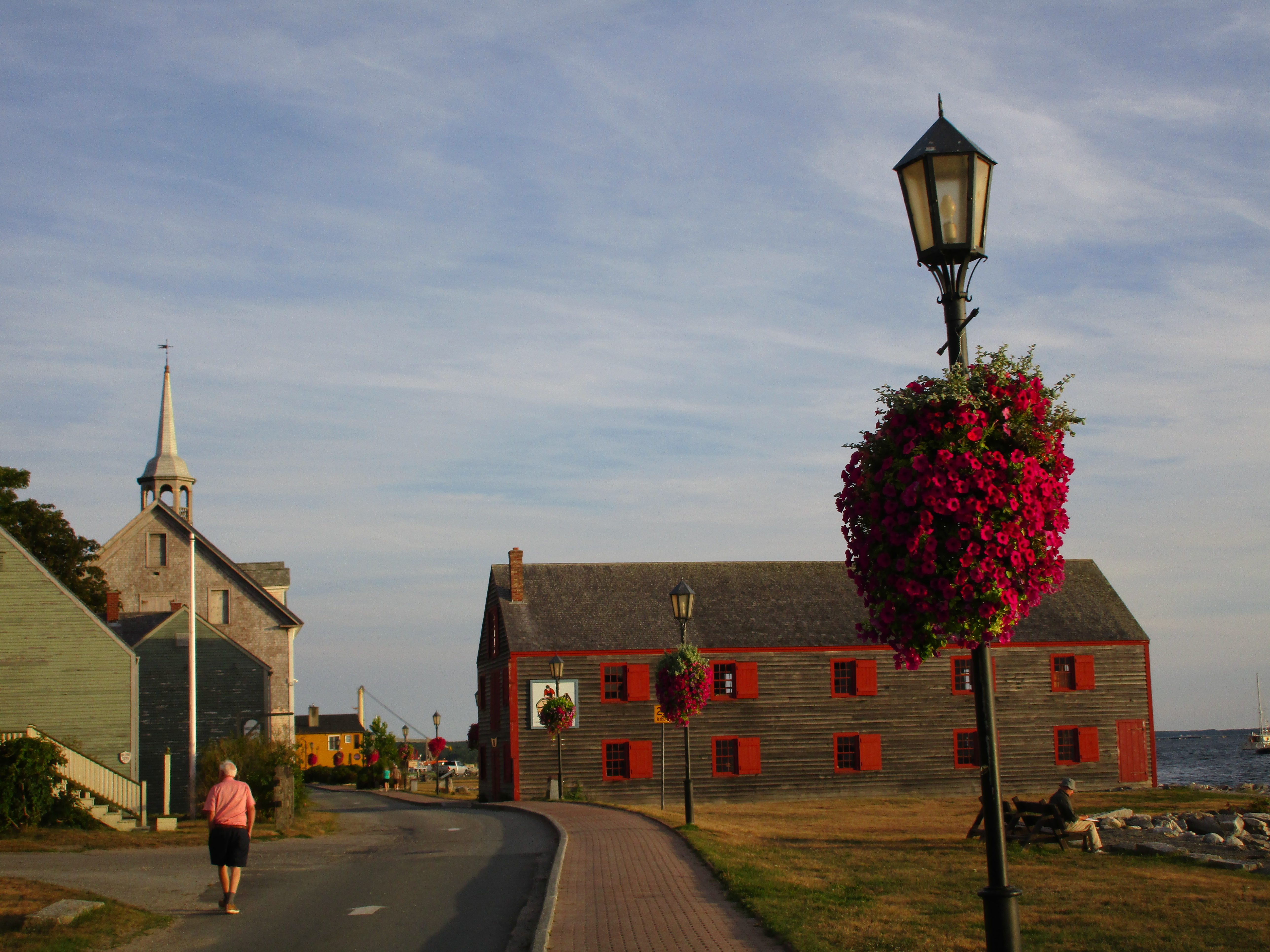
Walk along Dock St.

Walk along Dock St.

Historic buildings from the mid 1700's.

Historic buildings from the mid 1700’s.

Shelburne, originally called Port Roseway, was considered to be an ideal location for the capital of Nova Scotia. In those days it had the largest population of any other Nova Scotian town because of the huge influx of White and Black Loyalists who were fleeing from the American Revolution. Its harbour is the third deepest in the world which isn’t going unnoticed by the cruise ships now docking there. Of course, this is helping the tourist business and beginning to have the residents think about making it one more designation point for the province.

Looking toward the harbour where ships dock.

Looking toward the harbour where ships dock.

Lockeport – the Beaches

Our first stop after a rather unexciting drive along Highway 8 and the 103 was Lockeport. Our stomachs reminded us it was near lunch time so we decided to give the Seagull Family Restaurant a try. We weren’t disappointed after enjoying a delicious seafood chowder and blueberry buckle. I expect the restaurant got its name from the numerous seagulls who entertained us as we ate. They could have been a nuisance but weren’t because a sign leading to the outdoor patio clearly stated not to feed them.
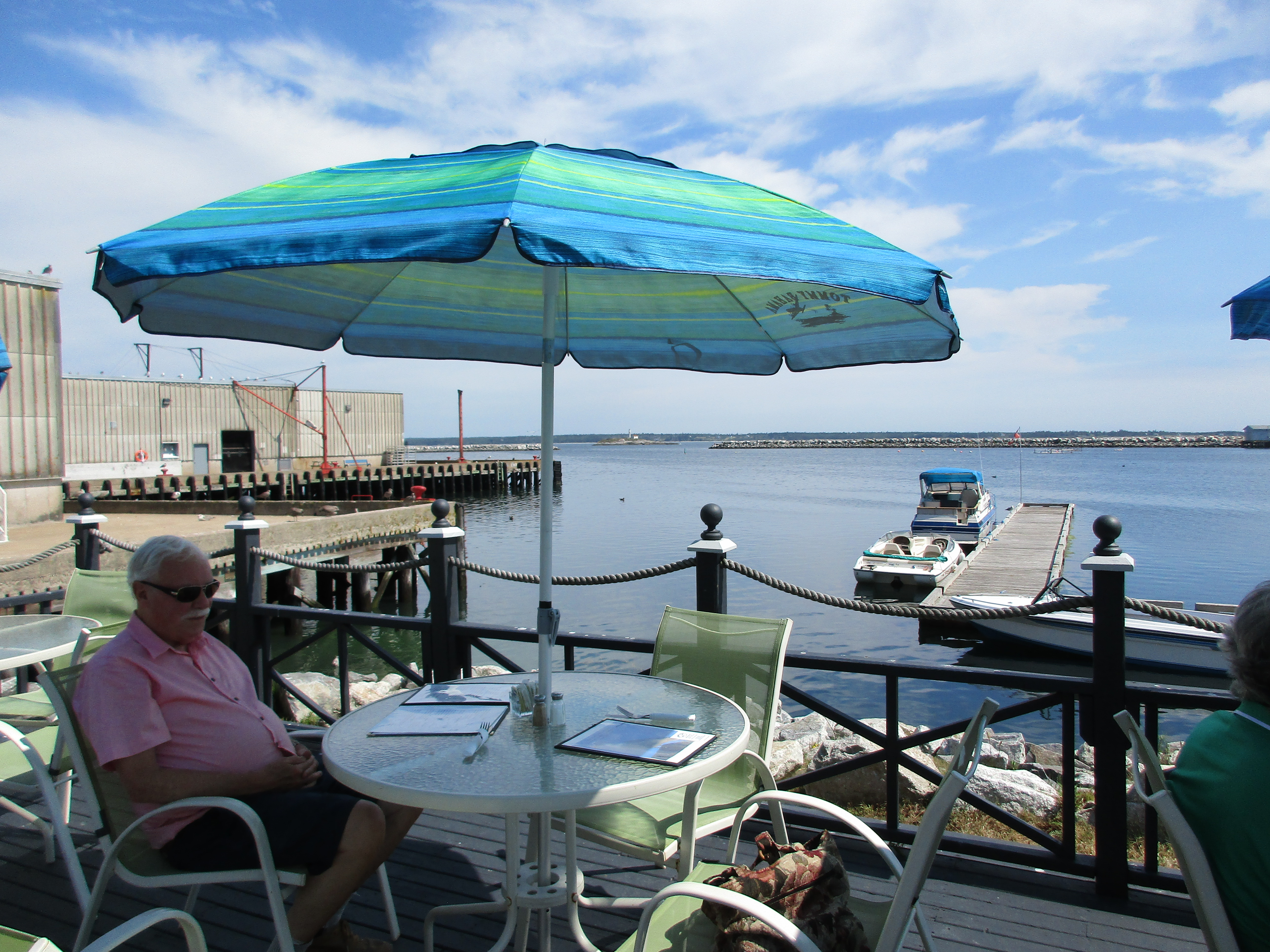
Lunch on the patio of the Seagull Restaurant.

Lunch on the patio of the Seagull Restaurant.

To work off our lunch, we decided to walk the 1.5 kilometre Crescent Beach which was just up the street from the restaurant. With its fine white – sand beach, and the brilliant, sunshiny day such as we had, I thought it has to be one of the most beautiful beaches in Nova Scotia, if not the world. The people here like to tell you that at one time it was featured on the back of our Canadian fifty dollar bill.
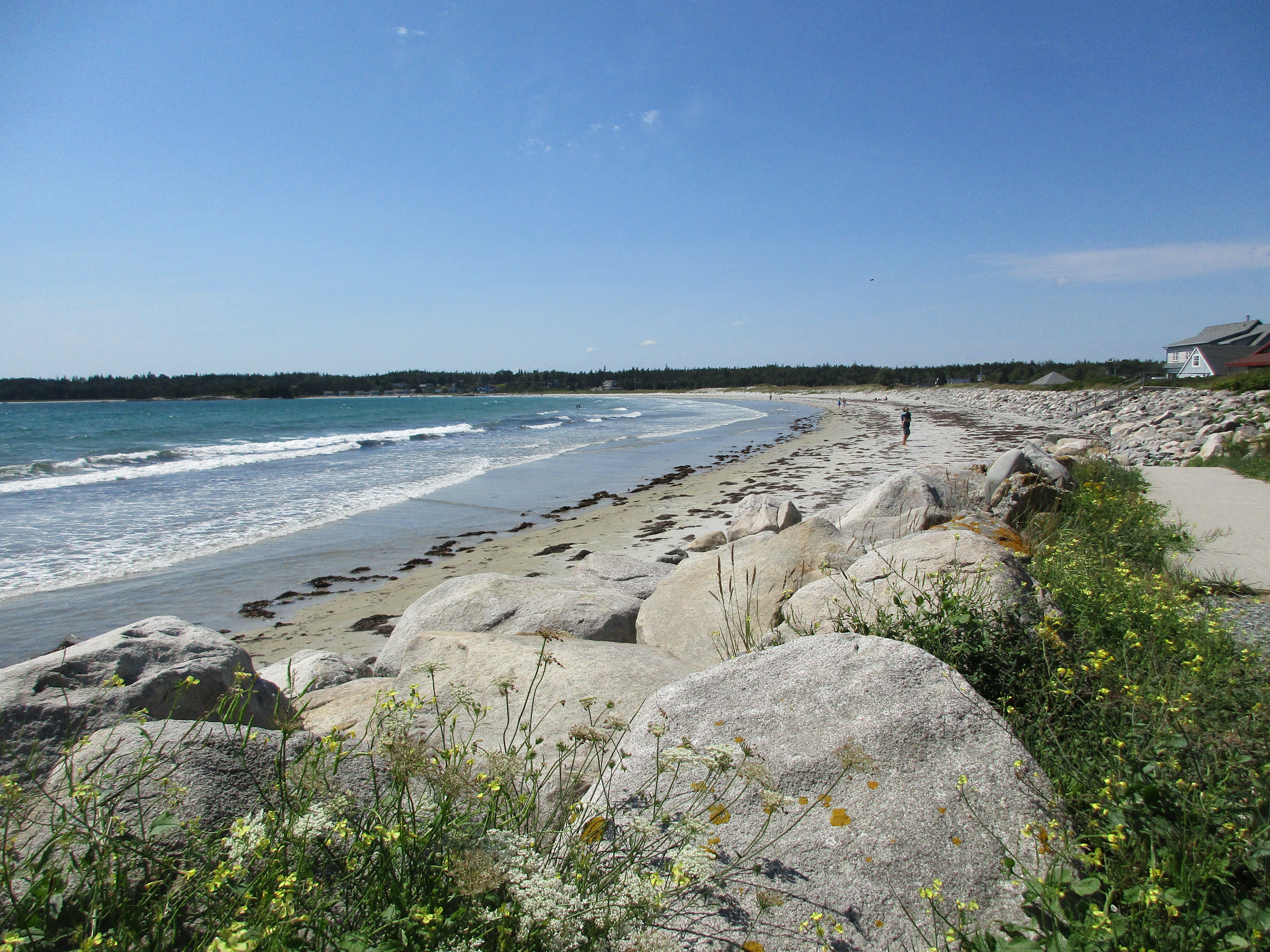
Crescent Beach

Crescent Beach

Lockeport, often referred to as “An Island to the Sea”, and at one time called the Ragged Islands, was and still is primarily noted for its fishing industry. The town is actually located on one of the islands as well as the mainland and can easily be accessed by a road which follows a narrow spit of land connecting the two. Or you can take the walking bridge.  There is not only gorgeous Crescent Beach but four other beaches nearby. How fortunate for those who not only live there, but also for the visitors who take the time to go there. I have to tell you we felt like we had the whole of Crescent Beach to ourselves the day we were there. I wonder if there were people on the other beaches – something I must explore another time.

Birchtown – A Black Loyalist Centre

Unfortunately, it is Birchtown’s sad history which has made it a destination that no visitor to this area should overlook. If you have read Lawrence Hill’s The Book of Negroes”, then you will understand why I say this. Lest we should forget this moving story, a wonderful new Heritage Centre has been built…thanks to Emira and our two levels of government…. where we can learn about the hardships and injustices of all those who managed to land there. Did you know that at the time of their arrival in Shelburne they represented the largest free Black settlement outside of Africa? It is definitely worth the visit.
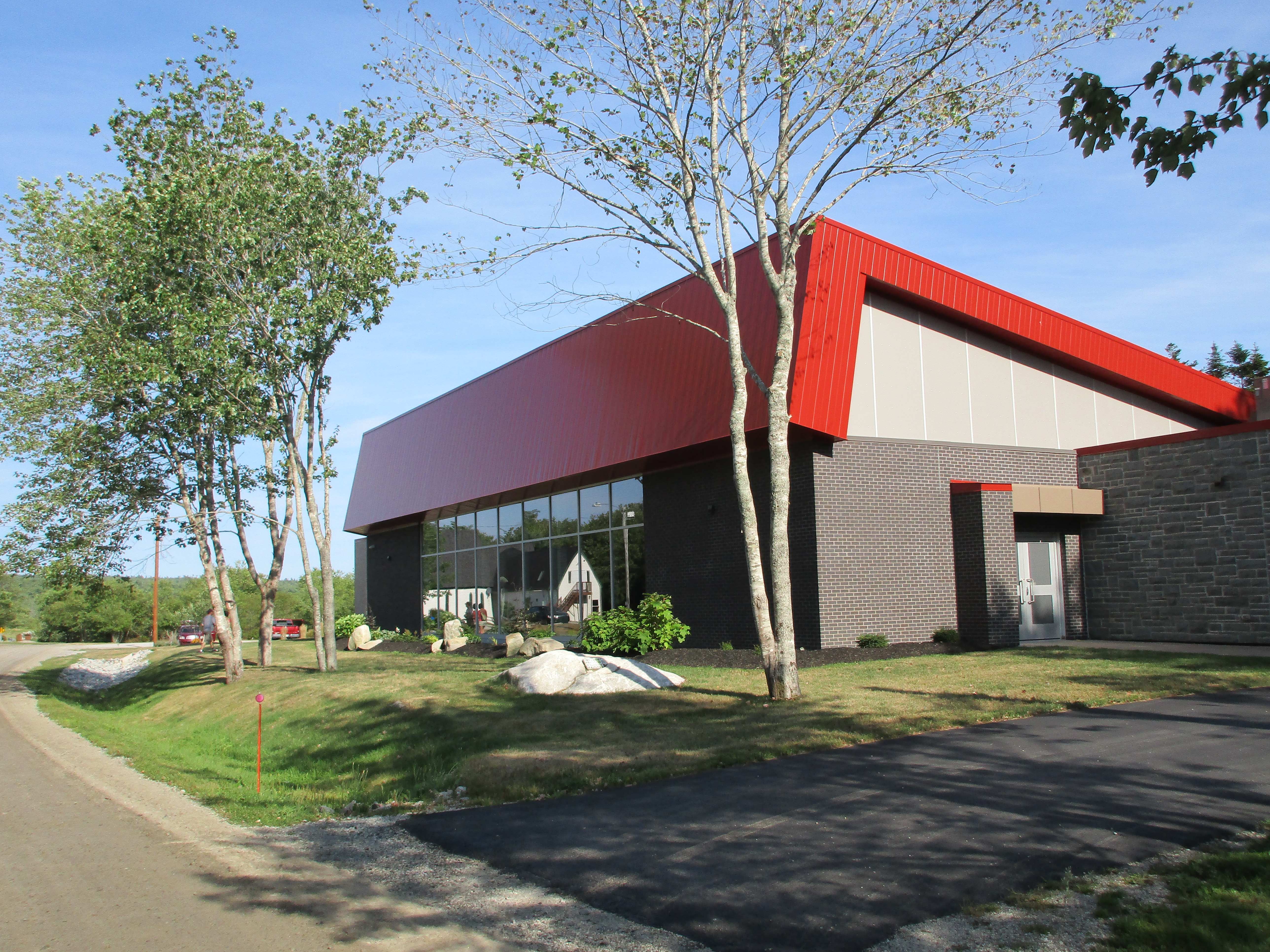
The new Black Loyalist Centre.

The new Black Loyalist Centre.

The museum and gallery inside the Centre.

The museum and gallery inside the Centre.

Dining at the Charlotte Lane Cafe

I have heard many good things about this restaurant in Shelburne so have always wanted to eat there. My wish came true, thanks to Hubby, who insisted that we should try it. A winner of many awards, our eating experience did not disappoint. The setting, the expertly prepared food, and the service were superb. Kudos are deserved by not only the co-owner and chef, Roland Glauser, but also the lovely old house with an upscale gift shop. The place was packed so make a reservation. Although eating here can be quite expensive… but no more than any other restaurant of this class…the portions are substantial. I had one of their delicious pasta dishes which I could not finish. Without hesitation, our waitress packed up what was left resulting in another meal the following day which somehow tasted even better.IMG_1748

Accommodations

We stayed at MacKenzie’s Motel and Cabins right on the edge of town on Water St. The best thing about this choice was the breakfast which was included in the price. Although continental and serve yourself, there was plenty of delicious food with seemingly no limit to the amount we could eat. All the baked goodies were home-made… even the brown bread that accompanied the baked beans. Although a tad dated, the premises were well maintained and there was a lovely pool to cool down in after a long day of sight-seeing. This place is definitely good choice for an overnight.

A day and one night were not nearly enough time to see and do all these two towns have to offer. I wish we could have stayed longer to thoroughly experience the history, to walk some of the many trails and beaches, or to take a tour of the harbour. We must definitely keep Shelburne and Lockeport in mind for a future visit.

An Afternoon Walk in Victoria Beach

Beneficial exercise is a common problem many of us are finding difficult to work into our daily living schedules. If this is so difficult then how about some form of meditation? I know few people in my life who are managing that one, including me. Walking is certainly more popular. By the way, did you know that walking can be a form of meditation? We seem to be aware of what we need to do for a healthy lifestyle, but actually doing it is another matter.

Walking has always been at the top of my list of pleasurable activities, with gentle yoga coming in second. However, I have not managed a passing grade on meditation.  Sadly, walking has not been high up on my ‘to do’ list this summer. Far too much of my time has been eaten up by those dratted weeds which I wrote about in my last post and, of course, the maintenance of our lawn, flower beds, and vegetable garden.

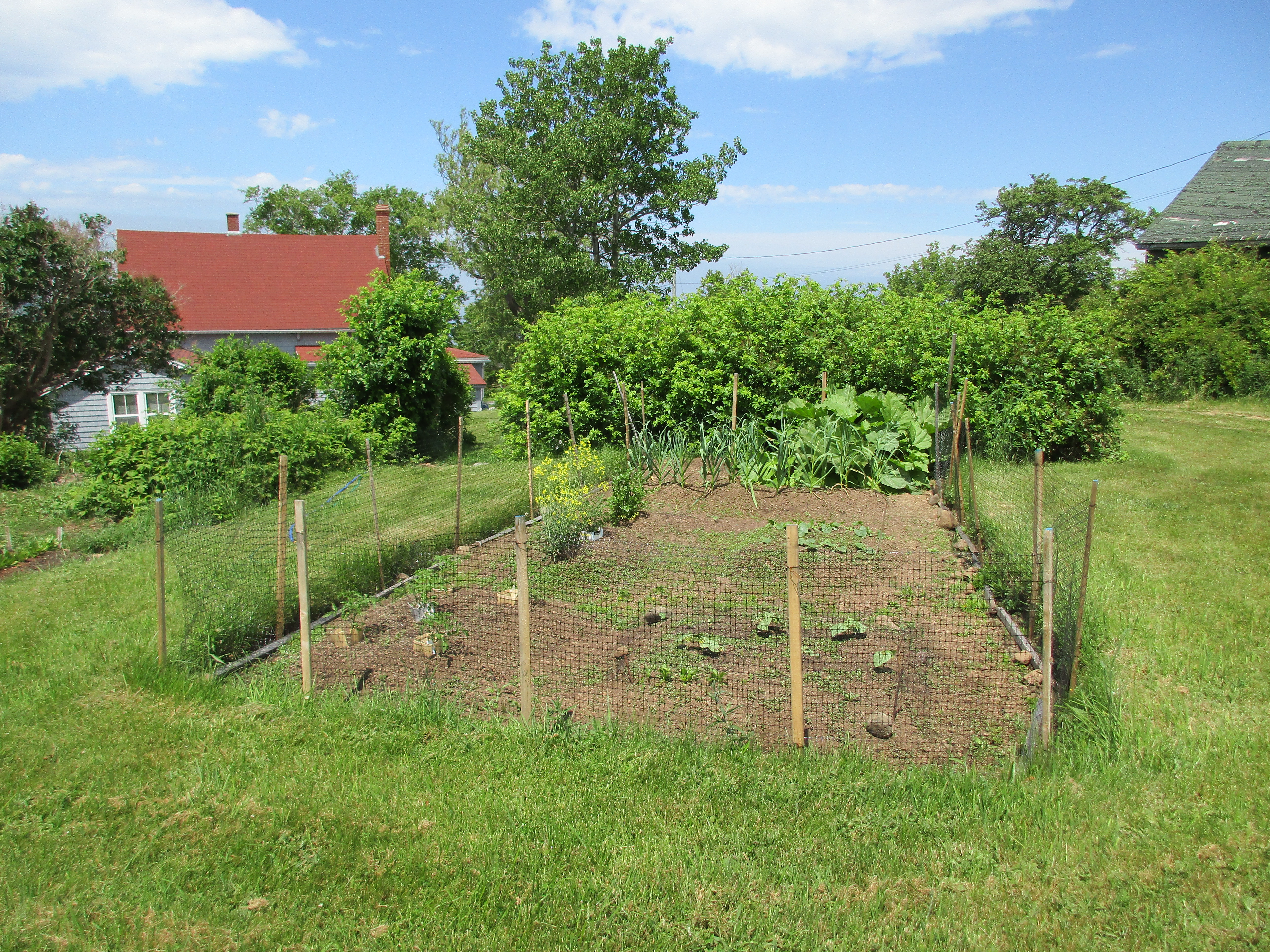
However about two weeks ago, after our lawn had just been mowed by Joe and our property was finally looking neat and tidy….my vegetables were growing leaps and bounds and the flowers were at their peak after some much-needed rain…. I suddenly developed an overwhelming urge to grab my camera and head out for a walk. I felt the water calling me so knew I had to head downhill towards our beach, known as Indian Beach.

Looking good.

Looking good, at last.

Black-eyed Susans in one of my flower beds.

Black-eyed Susans and Galardia in one of my flower beds.

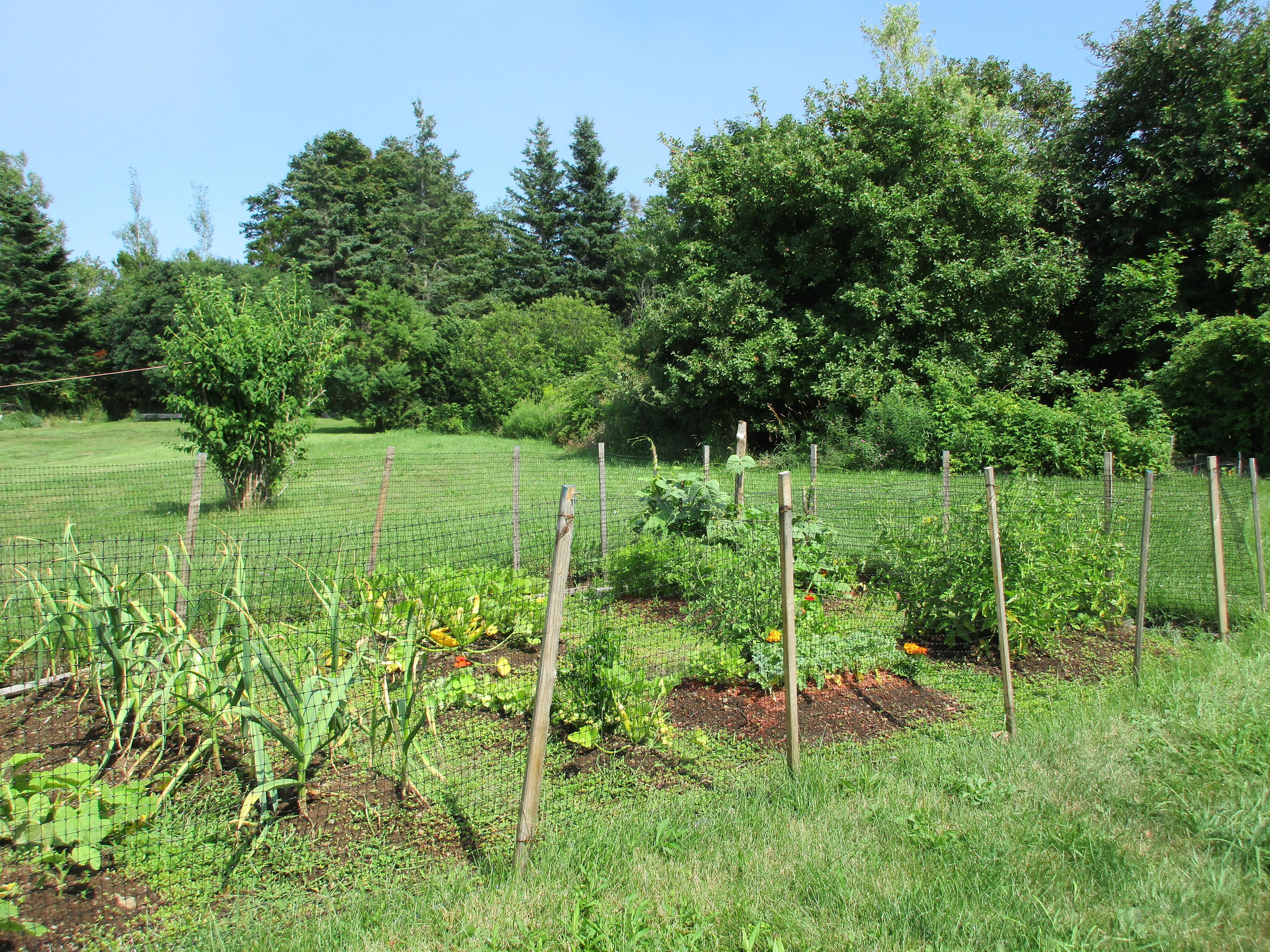
Veggie garden.

Veggie garden.

Yes, we can claim we have a beach… of sorts. It’s rocky and the water is cold since it’s all part and parcel of the Bay of Fundy, but still a great place for exploring and hunting for coloured glass and driftwood. You might wonder, as I did, why our beach is so-called. Why not Victoria Beach our village name? A little delving into the history here reveals that the first inhabitants of Victoria Beach were the Mi’Kmaw so the name came from them. Then in the late 1700’s and early 1800’s immigrants from Ireland and England moved in to mainly fish for a living, so eventually the community was called Victoria Beach after Queen Victoria. I am not sure why the locals still refer to the beach as Indian Beach, whether it’s out of habit or to honour the fact the Mi’Kmaw who were here long before us.

Our Indian Beach

Our Indian Beach

Now back to my walk. The rain, which finally came the night before, had revived every living thing…especially my garden! As I started down the hill, it dawned on me that I had unfolding before me the perfect fodder for a much over-due post for my blog.

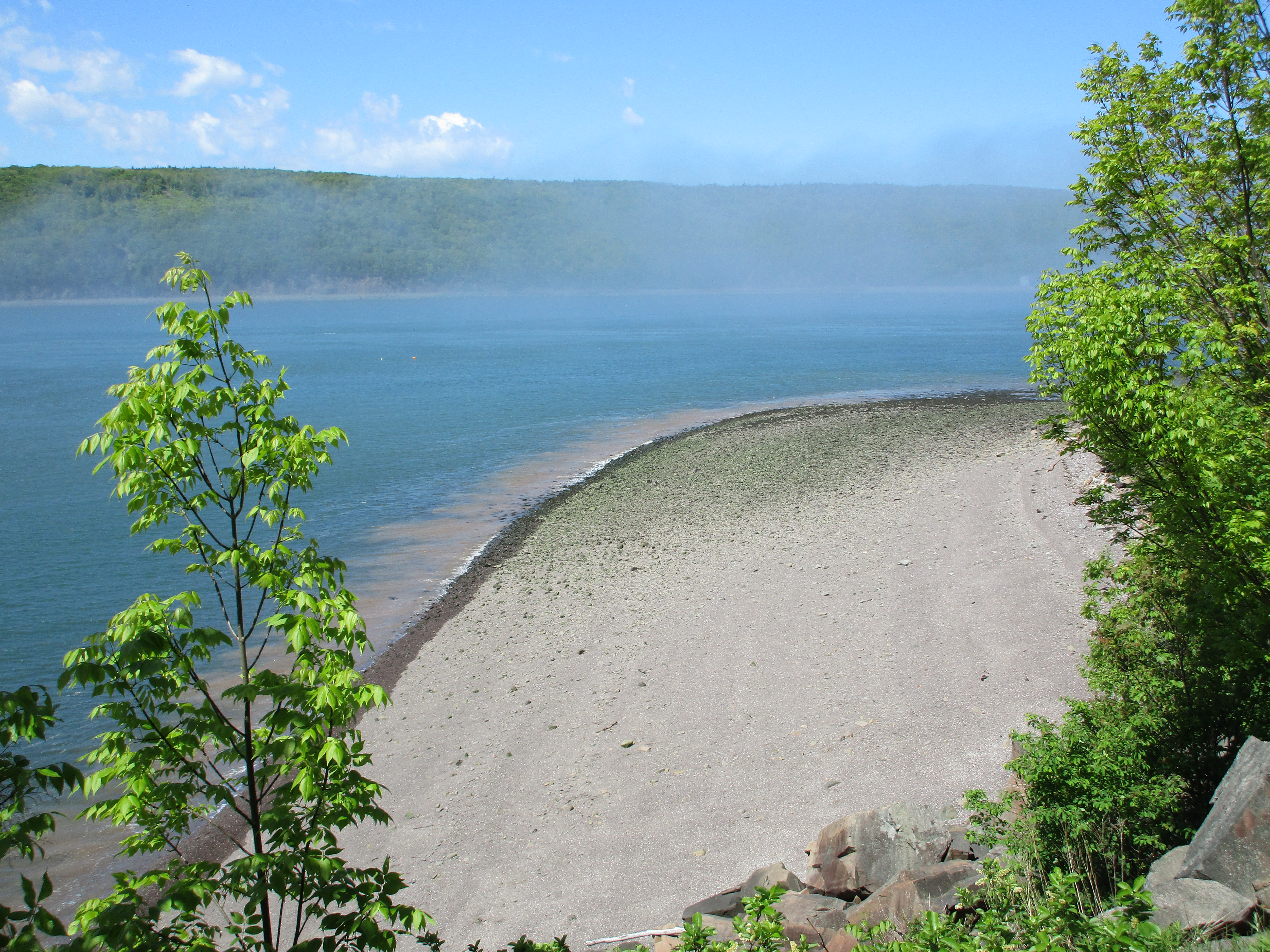
What made this walk truly memorable was to witness the battle the sun seemed to be having with the blanket of fog that hung around the surface of the water. Click, click went my camera trying to take in all that my eyes were seeing. It was magical! Not only did I have the antics of the fog and sun in their game of ‘hide and seek, to my right, but also the profusion of flowers and shrubbery to my left, vying for my attention.

Sun vs Fog

Sun vs. Fog

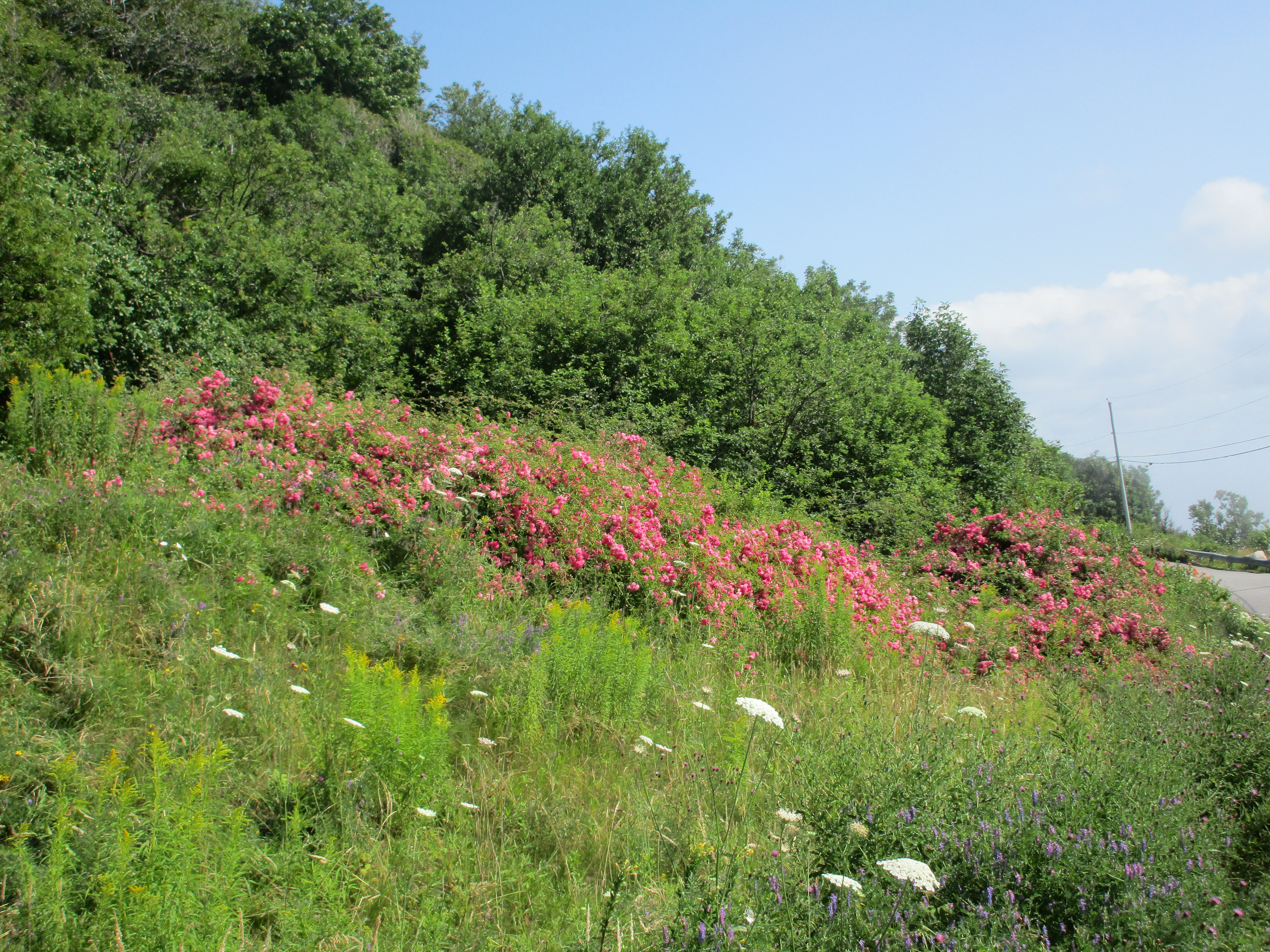
A profusion of flowers along the road.

A profusion of flowers along the road.

Victoria Beach is said to have a microclimate* which simply means that almost any native or non-native plant to Nova Scotia grows here. This includes wild flowers and perennials. The perennials were planted by homesteaders who once had houses here… both of them are now long gone. Isn’t it amazing that these flowers have outlived them! Of course, we also have to contend with those flowers and plants that aren’t natives and have invaded us, such as the dreaded Japanese knot weed that I wrote about in Insects a“My Battle With Weeds, and Other Garden Pests,” my last post. You can click on the title to read it.

That dreaded knotweed - again!

That dreaded knotweed – again!

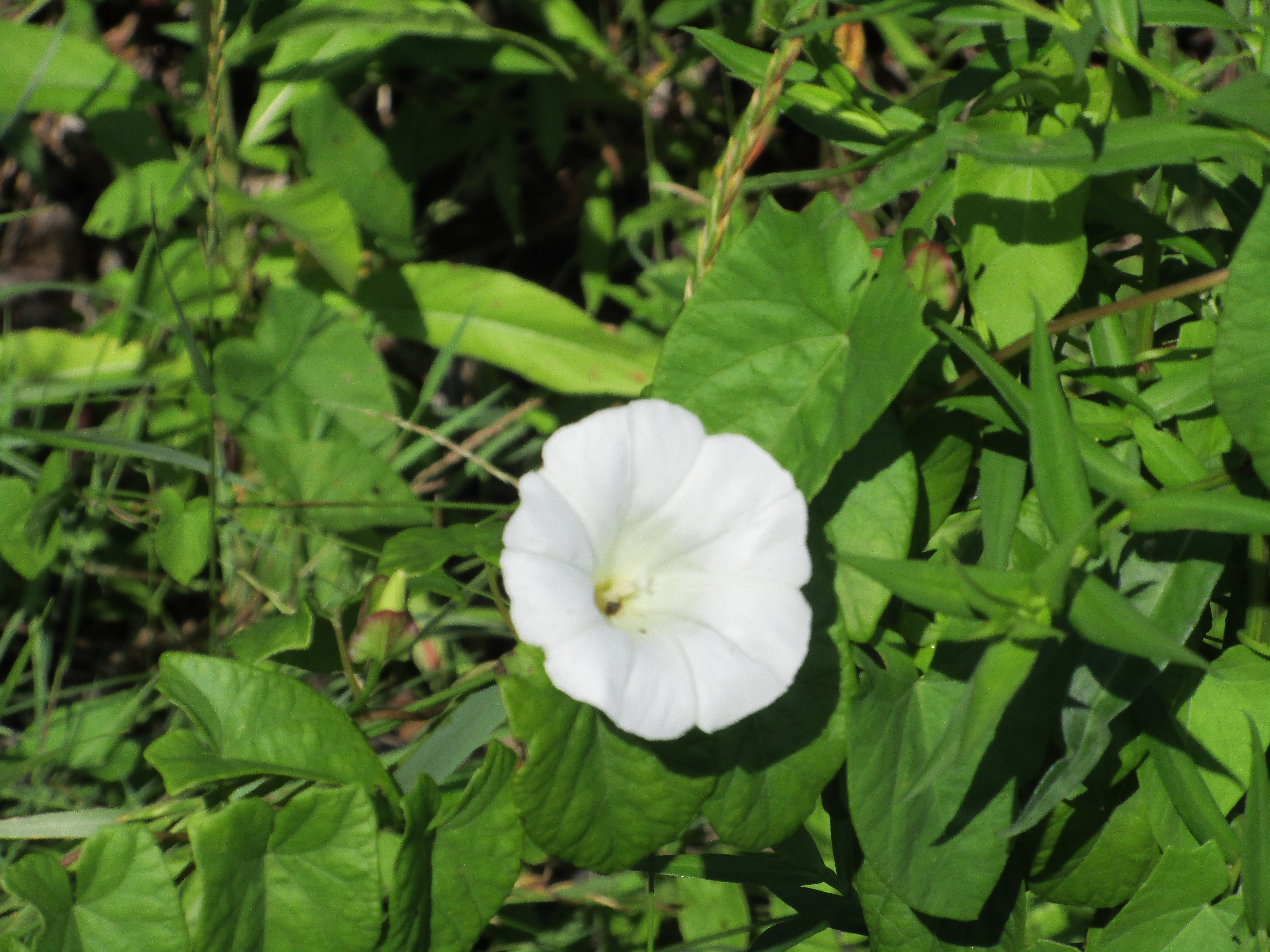
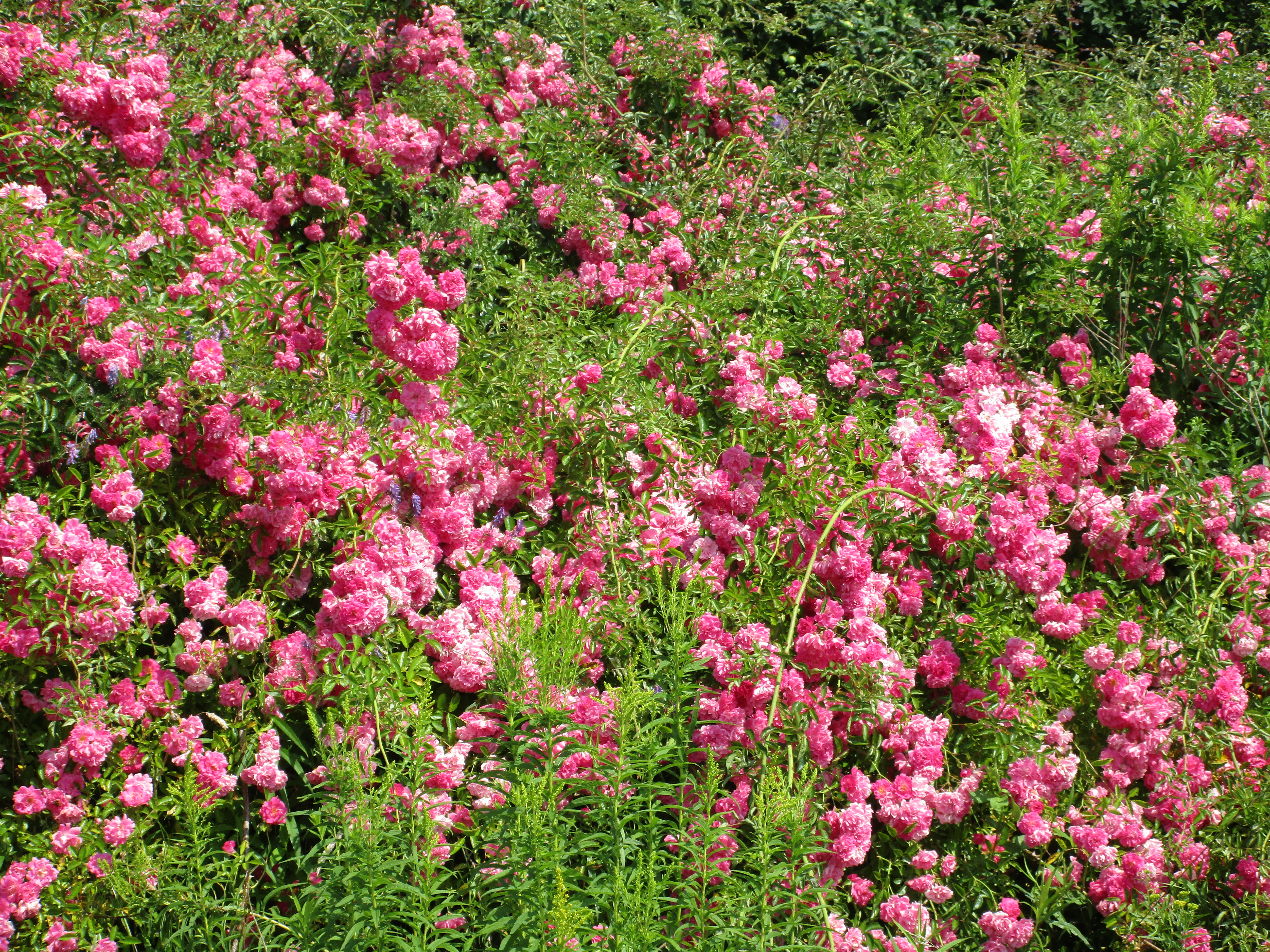
On my walk, I discovered morning glories, red clover, daisies, Queen Anne’s lace, purple vetch, and wild rose representing the wild flower group. There were others which I cannot give a name to. For the perennials, pretty pink rose bushes interspersed with saucy, orange day lilies lined the banks which were abandoned by the inhabitants that planted them, who knows when? The laden down branches of the blackberry bushes I observed indicated a bountiful year for them provided that we continue to receive more rain. As I write this, there has been none for almost two weeks so everything is beginning to turn brown….again!

Morning Glory

Morning Glory

This could be phlox - a perennial?

This could be phlox – a perennial?

Red or should I say purple clover.

Red or should I say purple clover.

Could this be a Tea Rose? Definitely a perennial growing wild where once there was a house.

Could this be a Tea Rose? Definitely a perennial growing wild where once there was a house.

This is the way it’s been here this summer. June was one of our driest in 70 years. A little rain here and there but not nearly enough. We are now into August with no rain forecast for this week. Such a grim weather outlook gives me even more reason to be grateful for listening to the little voice inside me that whispered, “Go down to the water.” Nature was calling me, and I am grateful she did. It’s amazing what she can provide for our eyes to see if we just keep them open.

On a more sombre note, I can’t help but wonder how much longer we will be able to enjoy all Mother Nature has given us in the past. We are becoming (even here in Victoria Beach) more and more aware of how stressed she is right now. Is it not up to us to at least take note of this and begin to see her in a different light…to live respectfully with her rather than to conquer her? How can we do this, is the question? Something to think about….

*Microclimate – usually a small area within a larger territory exhibiting a different climate.

For example, in Victoria Beach this phenomenon is most noticeable in the autumn when we will often escape the first frost while Annapolis Royal does not. Or in summer, our temperatures on a hot day are usually 10 degrees cooler than in town. Since VB is located at the tip of a narrow peninsula jutting into the Bay of Fundy, we are more moderated by the water.

Our road going downhill to the beach.

Our road going downhill to the beach.

My Battle With Weeds, Insects, and Other Garden Pests

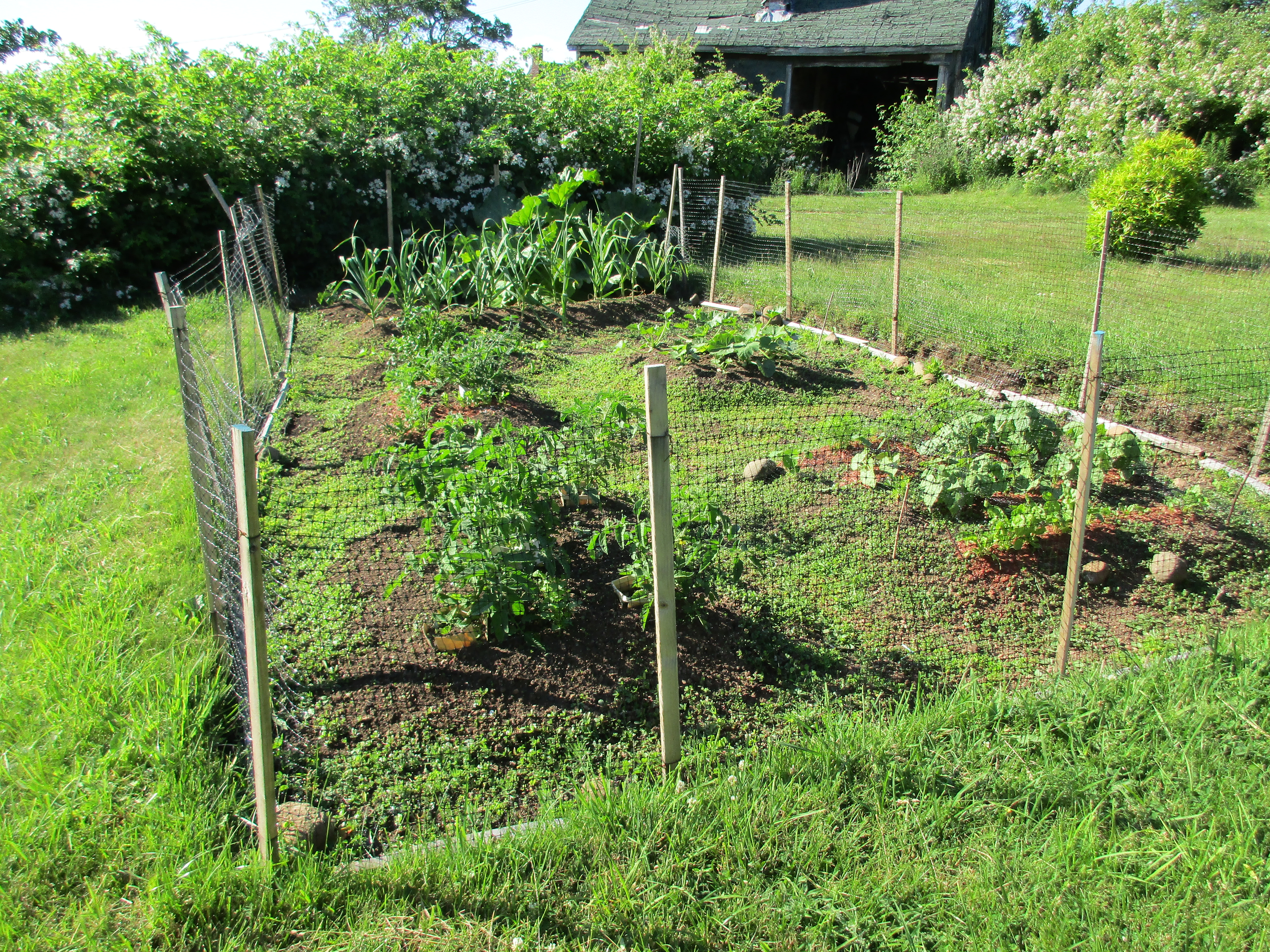
The garden about a month ago.

My garden about a month ago.

“Strange looking weeds and insects have been cropping up in my garden this year. It’s a battle to keep on top of them, let alone to get anything to grow.”

These words recently spoken by a fellow gardener instantly resonated with me since I have also been noticing and wondering just why its become more difficult  to get good results from my vegetable garden.

Ten years ago, shortly after moving to Victoria Beach, I attempted to grow vegetables in its very rocky soil. I had gardened successfully for the first time in Moncton, NB in the ’70’s so looked forward to growing my own veggies once again. Despite the rocks and soil, I was happy with my harvest up until about three years ago. Since then I have found it increasingly more difficult to get the same results. In spite of rotating my crops, filtering out never-ending buckets of rocks, and using copious amounts of compost and manure to improve the soil, my yield is getting worse. My production is falling while my cost and effort are increasing. I can’t help but wonder what is happening?

Perhaps I could use better quality organic seeds instead of the usual ones I usually pick up at the local grocery store, or try a different fertilizer….I always use sheep’s manure and compost from my compost pile. These changes are within my control, but the ones which aren’t are the ones that are causing me the most problems … weeds, insects, and other critters who love gardens as much as I do. These I can’t control, but I can learn to deal with them… I hope.

Like my quoted friend, I have been waging a seemingly endless battle with the weeds overtaking my garden. I can pull them out one day only to have most of them appear the next. It’s frustrating for not only have they taken over the garden, but the driveway and the lawn. Next they will be in the house! I know I am getting carried away here but seriously, this could possibly happen. Have you ever heard of the Japanese Knotweed?  Last year I was listening to the CBC’s, The Current, when I learned some very scary things about this extremely invasive weed.

Let me give you a little bit of history on this so-called “King of the Invasives”. It’s also been called “The Terrorist of the Weed World” and “Godzilla”. Does this give you an idea of what I am writing about here? But again I digress. It has its origin in Japan and was introduced as far back as the mid 1800’s to Europe and North America as a plant for decoration and to prevent erosion. It has a thick bamboo like stem with heart – shaped leaves and a creamy white flower which blooms in the early autumn. It is really quite pretty, and it’s easy to see why it was chosen as a nice ornamental… but only in Japan, please!

Ken MacQueen wrote this about it in the June 2015 edition of MacLean’s magazine:

“Japanese Knotweed is in nearly all of our provinces, and the threat is real: it can lower house prices, threaten our bridges, and drive men to madness.”

One can’t help but sit up and take notice of this particular weed problem… especially me. Why? Because we have it growing right here in Victoria Beach along our road and, unfortunately, in some yards where there is moisture. Our yard happens to be one of them! We have had it for several years but never really took it seriously until last year. Now we are taking it very seriously… even Hubby.

The Japanese Knotweed or "Godzilla" along side our road.

Godzilla growing right along side of our road.

Last fall before the snow started to fly, he threw bags of salt on “Godzilla’s” little forest at the foot of our driveway. The salt helped to stunt its growth but didn’t get rid of it. The more people we ask about how to deal with it, the more we learn about how difficult our battle is going to be. This year out of desperation, we tried using Roundup. However, I hesitate to get carried away with this as it’s not good for the surrounding environment or for ourselves.

A third method recommended by a knowledgeable neighbour who had it growing in her yard awhile back is to smother the darn things with a huge tarp or old carpet using something heavy with no seams as the roots will find any crevice and push their way through. This will be our next step.

Our neighbour verified all the information I’ve read about how to treat this weed, and what I learned is that it’s almost impossible to get rid of! The most important thing is to persist with the treatment of cutting back, using salt or Roundup, and smothering it for as long as it takes which could be years. No wonder some people have gone mad! I am now resigned to getting serious for an all out war with “Godzilla” and not give up until the battle is won.

Godzilla creeping into our lilac trees - before cutting back.

Godzilla creeping into our lilac trees – before cutting back.

It's cut but now how to dispose of it is the problem?

It’s cut but now how to dispose of it is the problem?

I sometimes wonder if I’m not becoming too obsessed with this weed and the many others that have cropped up this spring. However, I think not and am glad of the research I’ve done. I realise that if we here in VB and other parts of Nova Scotia don’t do something about “Godzilla” we could end up having the troubles that England has been having. What if our government deems it illegal should it get out of control? That is true of Australia. What if it causes much friction between neighbours who won’t do anything about it and let it spread to their neighbour’s property? This has happened in England. What if the value of our homes plummets if our yards are full of this obnoxious weed? This, too, has happened in England. I think we do have to look at this problem more seriously to prevent it from ever happening in our own communities.

Another invasive (the wild rose) which can get easily out of control if not cut back - constantly.

Another invasive (the wild rose) which can get easily out of control if not cut back – constantly.

Without a doubt, I see the proliferation of weeds as my biggest headache with insects coming in as a strong second. During spring and early summer when I am trying to get the garden ready for planting and the yard cleaned up from the havoc of winter, I don’t dare go out to do the work required without first dressing for the part, or at least attempt to. Lots of bug repellent, legs and arms covered, socks tucked into pant legs to keep the ticks out, and a bug net for my head, complete my necessary attire for surviving the invasion of insects which seems to get worse every year. If I don’t take the time to dress for battle, I have to pay the consequences. Tick bites, if you don’t catch the little critters before they latch onto you, can leave a nasty welt, and if it’s a deer tick then watch out for one bite from one of these can get you for life if you aren’t careful. Thankfully, I and no one else here has ever seen any of the latter, but wood ticks are here… in droves! Then there are the black flies which are always waiting for me especially in the spring and early summer. Hornets, wasps and other winged creatures I no can longer put a name to seem to appear out of nowhere the minute I step into my vegetable garden to hoe, dig, seed, or weed.

Those plants that do take seed and pop up are then sitting ducks for every insect around so must be protected with various kinds of repellents which aren’t harmful to the environment. I have found many helpful suggestions on the Internet using such things as liquid soaps, beer, cayenne and a myriad of other concoctions. It takes time and lots of effort to do this, but at least it’s healthy and will help keep the insects at bay. My lettuce is looking very holely right now, but it still tastes good. In fact, a fellow gardener told me just yesterday that the aphid responsible for leaving the holes also leaves additional antioxidants for us.

Finally, we have many little critters such as chipmunks, squirrels, skunks, raccoons, rabbits, moles and deer …not so little…. which also can also be classified as nuisance factors when trying to grow things here in VB. It seems to vary from year to year. In Victoria Beach it started with the deer, but in the last several years skunks and rabbits have been joining the parade of pests. I quickly realised that a fence would be needed and since erecting the first one, I have been upgrading it ever since to make it harder for the critters to get in there for that lovely green lettuce. This year we are all noticing that our chipmunk population has exploded. So far they haven’t eaten any of my new growth, but they are leaving their calling cards… little holes in the flower and herb pots and dirt every where. Furthermore, there is something leaving much larger holes in the lawn. So far we can’t determine what or who is doing that …. skunks looking for grubs or even moles building their underground tunnels. Who knows?

Growing anything here is becoming more of a challenge every year. I have more weeds to pull, more insects to deal with, and more small critters to outwit. There is no doubt in my mind, that the changes in climate are the root cause of this, thus, creating even more challenges in the future. The question I ask myself is whether I am up to this? Perhaps I will be forced to rely on our local markets for our fresh summer veggies? However, if I am forced to give up this hobby, I know one thing: I will miss sitting down to the dinner table to eat the healthy and oh so tasty vegetables on my plate that I had the satisfaction of growing. For now this is a good enough reason for continuing my battle.

My garden as it is today. Hard to tell the vegetables from the weeds.

My garden as it is today. Can you find the plants amongst the weeds?

An Interview With Peter Robertson

This past March and April, my husband and I spent six, wonderful weeks in Buenos Aires. For the better part of a year, we call Victoria Beach in Nova Scotia, Canada our home. This was the first time either of us had been to South America. On our second day in BA, we had the good fortune to meet Peter Robertson, a lovely, kind man who was brave enough to take us under his wing and become our guide and translator for the duration of our stay. We often met Peter at a little cafe across the street from the apartment where we stayed. There we had wonderful talks on all manner of things and quickly became friends. I was particularly interested in his profession as an accomplished writer and his literary quarterly, Interlitq. Having begun a blog of my travels two years ago, I love having conversations with other more experienced writers which give me the opportunity to not only share the joy of writing, but also the hard work and dedication that goes with it.

Peter was the perfect person to discuss this with, and it wasn’t long before we came up with the idea to write something about him for Interlitq, and what better way than for me to play the part of the interviewer so his readers could learn more about him.

Of course, I was thrilled that he would ask me to contribute something to his quarterly so immediately looked up his website. I was flabbergasted at the scope of the material that he has amassed from such a talented group of writers from all over the world. There was so much to read on almost every topic and country on this planet, but almost nothing on the man who was responsible for bringing it all together. It was immediately apparent to me that, indeed, he needed to let his readers in on just who he is and what he sees for the future of Interlitq.

Here is my interview with Peter.

1.  Tell us a bit about your early life before BA, such as where you were born and raised, educated, previous career, and places lived.

I was born in Glasgow, Scotland and brought up there and in East Dunbartonshire and Perthshire. My adolescence was spent in a small town called Alyth, with a population of less than three thousand people. I spent a lot of my youth walking in the hills above the town. I went to a school five miles away, in Blairgowrie. After some time in London and Norway, I went to Cambridge University, before returning to London. I worked as a teacher and then as a United Nations linguist and researcher before founding Interlitq. I have also lived in Spain and Argentina: in Madrid for five years and Buenos Aires for sixteen years.

2.  Why did you choose Buenos Aires as your place of residence?

After my time in Spain, I felt the need for a change, but I wasn’t quite sure where to go. I didn’t want to return to the UK. It made sense for me to choose a Spanish-speaking country. Then in Madrid, I started to meet Argentines so my interest in that country grew. In the end, it was instinct, a leap of faith, and I am still here.

3.  How did your passion for writing evolve?

For as long as I can remember, I loved words. So it made sense for me to study literature at University. It’s hard to stand back from oneself and engage in self-analysis as it tends to be a futile exercise, bound up with obfuscation, self-justification, and delusion. The important thing for a writer is to have interesting stories to tell, and then to have the necessary skill with words to tell these stories.

4.  What has been the most outstanding achievement of your writing career?

It is for others to tell me if anything I write is outstanding. I was quite happy with “A Chorus of Ghosts”, but that was written quite some time ago. I would be interested in writing further examples of literary journalism. I find it a fascinating genre. I am also very keen to return to writing fiction.

5.  Regarding Interlitq, what is its main focus and where would you like to see it go in future?

Interlitq publishes international literature in many languages and is complemented by artwork. The overriding objective is to keep the publication going. We have got to that point after eight years and many vicissitudes. Then, once the review’s stability is more entrenched, to aim always to make it better. At this stage, Interlitq is becoming more flexible in its outlook. Originally the review was conceived as a quarterly, but is now publishing on a more regular basis, with featured interviews, so this is an interesting development, and we will consequently engage with new readers.

6. What advice can you pass on to all aspiring writers like myself?

Find the way that works for you. There is no one-size-fits-all. Beware of facile formulae. Do not sit and wait for inspiration – it hits the page as one is writing.

Thank you, Peter, for letting us catch a glimpse of who you are, your plans for the future of Interlitq, and most importantly for me and I hope other aspiring writers, your words of wisdom on how to approach the craft of writing.

Peter Robinson - Founder and Editor of Interlitq.

Peter Robertson – Founder and President of Interlitq.

Submitted by Betty Wright – betstravelsabout.wordpress.com

for:   interlitq.wordpress.com


Celebrating My 50th Reunion

“When time which steals our years away

Shall steal our pleasures, too,

The mem’ry of the past will stay

And half our joys renew.”

This is a quotation by Thomas Moore, a 19th century poet and song writer from Ireland. I recently found it in my Mount Allison year book from 1966 along with my graduation picture. I have no idea why I chose this particular quote by this poet to sum up my years as an under graduate of the Arts at Mt. A as I was about to embark upon the world that awaited me. I only recall that I made the decision to use this in haste, after desperately combing through a book of quotations none of which seemed quite appropriate to express my particular feelings on such a momentous event. This would have to do, I thought.  Would I choose it today? Very likely not, as much water has passed under the bridge since that day bringing much change and growth. Thank goodness! Then, on second thought maybe I would! Let me explain.

After a whirlwind trip to celebrate my 50th reunion in Sackville, N.B. where Mt. A is located, I dug out my year book and found those long-forgotten words. I have to admit I was quite baffled by my choice and was struggling to even remember anything about Thomas Moore. The only Thomas Moore I could relate to was our modern-day American psychotherapist and writer of books about the soul – Care of the Soul and Soul Mates. 

After reading about the Irish Thomas Moore, the pieces of the puzzle as to why I probably made this choice became clearer. After all, don’t the choices we make in life reflect that stage in life we find ourselves, and don’t they yield terrific insight into our character and what makes us tick? Perhaps I had not made such a ridiculous choice after all?

Here is what I found about Thomas Moore the author of my quotation. First of all he was not only a poet, but also a singer, song writer, entertainer, and biographer. In fact, he was often referred to as the Irish bard just as Robbie Burns was called the Scottish bard. He was a man of the people. He was happily married to an actress with whom he had five children. Unfortunately, all of them died before he did which distressed him deeply. That, along with financial problems at various times in his life, were his main crosses to bear. He became good friends with Lord Byron supporting his belief that Greece should be an independent state. He also supported the emancipation of the Irish from the Catholic Church and strongly disagreed with Thomas Jefferson, the President of the US, for his support of slavery. He was a man who cared for people and wasn’t afraid to speak out against the wrong doings of his time. He was a very personable man genuinely liked by most people who knew him. The words used to describe him were honest, affectionate, independent, and high-minded. Wow! I would like to meet such a man today.

After learning all this, I realised I hadn’t made such a ridiculous choice after all. This quotation wasn’t just a trivial bit of nostalgia as I first thought. It goes much deeper and is certainly appropriate not just for a graduation but also for a reunion 50 years down the road. Yes, reunions can stir up many memories, some good and some bad. I guess this is why some people find it difficult attending them as they remember only the bad stuff. I have learned it’s best to let the bad go and remember only the good which as Moore says is about half – if we are lucky! Can we really ask for more, I wonder? So at this reunion choosing only to remember the good stuff, I found myself delighting in reconnecting with old friends and even old boyfriends who may have caused so much grief back then. This time around, I even got better acquainted with those I never got to know when I was there, so I made new friends as well. I actually felt like I was part of a big family where we had all come together from hither and yon to celebrate a milestone in our varied lives. We had made it to our 50th for which we received pins in honour of our doing so. It really was something to celebrate rather than something to avoid. Over the years I did attend a few not so memorable reunions. However, this one was totally different for me and will go down as not only memorable but fun. Upon reflection I realise that a satisfactory outcome to attending school/college reunions is all about how we approach them which is reflective of the changes we have undergone in our life’s journey.

One further thought I have on the subject of attending reunions especially the 50th and those beyond is that they can also be a kind of wake up call for us. The reality is that we are all getting older and do we really know what amount of time we have left? As we were all winding up our weekend, I heard this sentiment from some as we said our ‘good byes’ and wished each other well until our next one in five years time. It’s true that some of us might not make the next one. Somehow I suspect that many of us will. I sure hope so! I was particularly inspired by the class of ’46 who were enthusiastically represented by four gentlemen well into their 90’s who gave a rousing tribute to their class. They were the stars of the whole show. They were living proof that we really can get better with age just like the proverbial red wine. My wish is that there will be some of us from the class of ’66 who will be as feisty as those four men from the class of ’46 when our turn comes round in twenty years. Wouldn’t that be something!

Point your cursor on each of the images to see the captions below.